Surviving NYC Metro: My Commute Stories

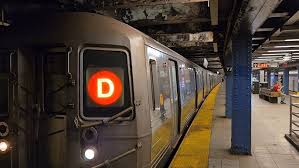
Riding the NYC Metro subway system every weekday for three hours a day to and from college was tiring. It’s especially exhausting on that last leg home on the “D” train at night.

It was not uncommon for me to fall asleep in the subway as it jostled down the rails. The NYC Metro trains are not quiet like the Paris subway; they rattle and jar, jerk and screech. When the subway car was full, I would be standing near the doors. Nevertheless, on more than one occasion, I fell asleep standing up. Yup! I dropped my books and briefcase. A quick recovery couldn’t save the embarrassment.

Okay, so I tried to be clever and leaned against the doors one time so I wouldn’t get woken up. The doors usually opened on the other side since it was an express train. My plan usually worked, but not this time. The train pulled into a station and, BAM! The doors on my side opened. I was SO shocked! I ended up stumbling out of the train backwards onto the platform. Ugh, no luck.

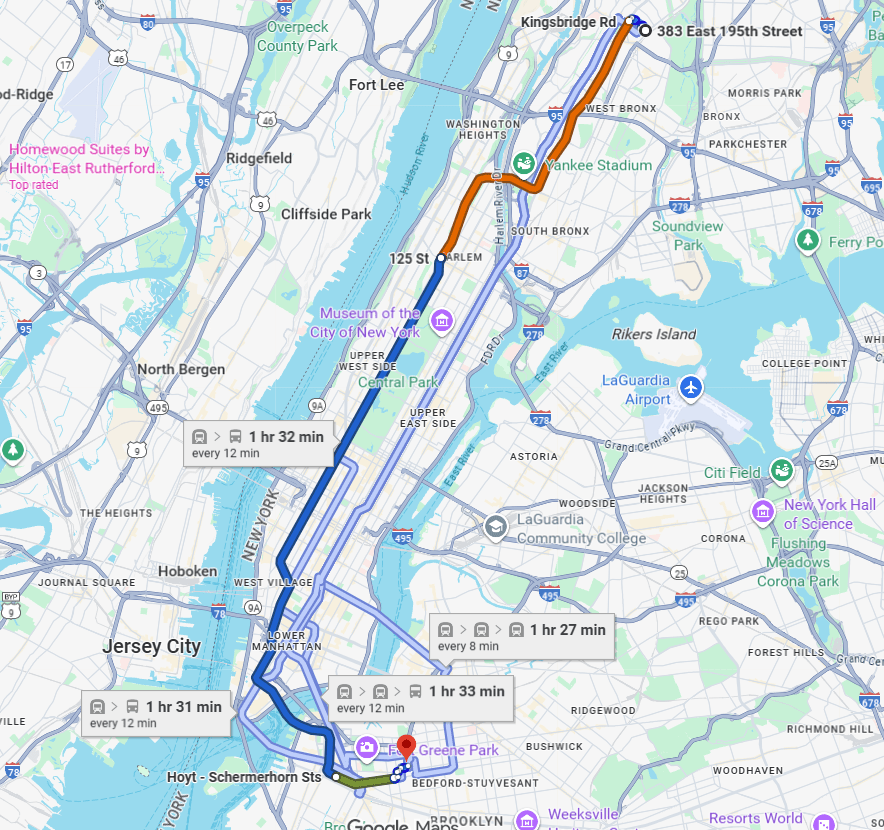
Sometimes I would return home very late after drill practice and drinking games. The train would be empty, and I’d stretch out, super comfy. Too comfy, actually, because I’d miss my stop at Kingsbridge Road. I’d end up going a couple of stops further north to the end of the line at 205th Street. I’d wake up, stumble across the platform for the next train going south. Only two stops left, and guess what? I’d fall asleep again and miss my stop. Then I’d get off, cross the platform, and head north again. I totally lost count of how many times I missed Kingsbridge Road.

I should have stood up against the doors.

The last subway story is when they were not runny.

The NYC Metro was planning a system-wide strike on January 1, 1966. Since I didn’t want to miss classes, I made plans to stay with friends at school. I think my Mom and Dad brought me to Brooklyn after the holidays. I stayed in the dorms which were across the street from Pratt Institute in a 17-story apartment building. The strike lasted 12 days.

I only have 3 vivid memories of my stay at the dorms:

  1. The Batman TV program premiered on January 12, 1966. The world stopped and our dorm mates congregated at the only TV on the floor. POW! BANG! Ka-POW!
  2. I had to cram for a test.
  3. I lied about living at the dorm so I could eat at the cafeteria for free.

A Commuter’s Odyssey

The Date: November 9, 1965.
The Time: 5:27 PM.
The Location: Somewhere in the bowels of the NYC.

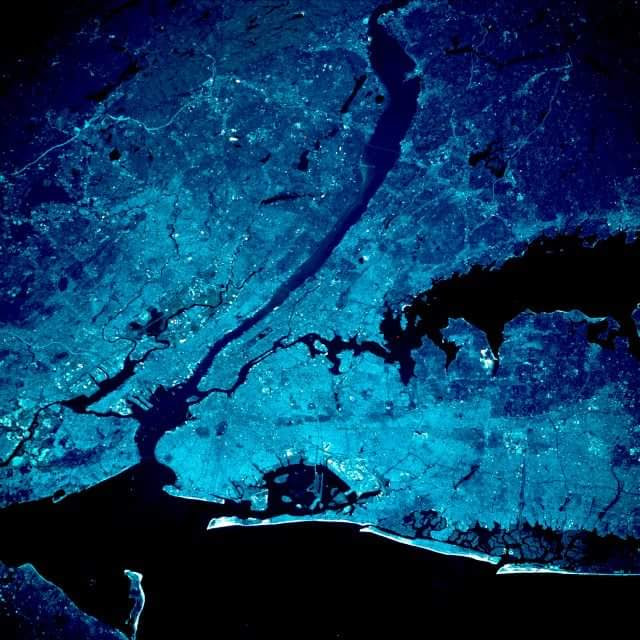
NYC Metro Subway Map; My Daily Commute

The Alphabet Soup Commute

I know exactly what I was doing on that day and time. I will never forget it. But I’ll write it down for you. I was traveling from school to home on my daily commute. School was Pratt Institute in Brooklyn. My home was on East 195th Street in The Bronx. Usually, on the NYC Subway, it’s the “G” train South to the “A” train West to the “D” train North. It took about 1.5 hours one way. Not this Tuesday afternoon.

At 5:27 PM, the “A” train I was on came to a slow stop. It wasn’t like the screeching brakes were used as usual. Almost immediately, the small emergency 5 watt electric light bulb illuminated in our car. I had a seat with a friend and the subway car was not full. This happens from time to time and the train resumes travel quickly. Not today. It didn’t look like the train would get on it’s way anytime soon. People started moving to the front of the train. What’s going on? Where are they going? There were no announcements or warnings.

Only one way to find out. My friend and I got up and started walking to the front of the train. I’m thinking, “How are all these people fitting in the first train car?” They weren’t. They were leaving the train and we were not at a station yet. One of the two sliding doors at the front of the train was open. Passengers were exiting the train with the help of Metro personnel. My friend And I shuffled our way to the open door and left the train. Now what? In the dark!

​Tunnel Vision

There were subway employees with flash lights but very little illumination from emergency lighting. From the train we stepped onto a narrow catwalk which ran along the tracks. And the adventure begins. I could barely see but we were about 50 yards from the next station. From the catwalk there was a short ladder to the tracks. Then, walk along the tracks until we got to the station. It was the West 4th Street station, under Greenwich Village. Passengers were queued up to climb the next ladder from the tracks to the station platform. My pal and I, young as we were, decided to hop up to the platform. Every turn and corner was barely lit. Now up to the street.

We followed other passengers up the steps to the next level where the turnstiles are positioned and tokens are sold. There, I noticed two immigrant women, dressed in black, on their knees, praying the rosary. “Holy Smoke! What do they know that I don’t?” I didn’t ask. The next flight of stairs brought us to the street.

Chaos?

Everything was still dark, except for the headlights of the passing cars and trucks. The street was alive with hurrying people. Traffic lights were out, yet young people, teens, were directing traffic with flashlights. It was an orderly chaos. We heard there was a massive power outage. Nevertheless, there was no panic or screaming except for fire and police sirens. All the buildings and streetlamps around us were dark.

We had to get home, but how? My pal lived in the Bronx as well, but a different neighborhood. It was at least 13 miles away. Trains were not available. Bus? I had no clue how to navigate the city by bus. Plus they were all full. Walk? Fat chance. Well maybe a slim chance. We decided to walk to the West Side Drive, about a dozen short blocks away. The best plan was to hitch.

​Hitchhiking: The 1960s Uber

We didn’t have to wait long. Some nice guy stopped and we gladly jumped into a stranger’s car. He was going North and so were we. We got all the latest news from the car radio. Holy smokes! It was a huge mess. I noticed the lights on the Jersey side as we drove past the George Washington Bridge. New Jersey had lights too. Freaky. We continued to drive North into the Riverdale section of The Bronx. If we continued, we would be getting further from home. So our helpful stranger pulled off the highway to let us out. At this point my friend and I split up. He was closer to home than I was.

​The Home Stretch (Literally)

I didn’t realize until recently that my trip home now would be another 4-5 miles. There were no other options than walk. I saw 1 bus, going in the wrong direction. I navigated as best I could by the main streets I knew and the elevated train routes. There was no Google Maps.

Walk, walk, walk. La-de-da. Walk, walk, uneventful walk. Neighborhood and streets began getting more familiar. I think I got home around 9:00 PM. My mom was glad to see me. My Dad was at work, kind of. His shift at the machine shop started at 5 PM. Lights went out around 5:30. He and his crew sat round for hours, getting paid, with nothing to do. The boss let the crew go at about 11 PM. The lights came on shortly thereafter.

Final Score:

​Electricity: 0
​New York Spirit: 1

What an adventure! Sorry, no pictures. They were all underexposed anyway.

I Could Have Died

As I reach the age of 76, I find myself reflecting on my life and my own mortality. Twice in my life, I have had experiences that scared me close to death. 

The first time occurred when I was working a summer job with my father at American Cystoscope. The company manufactured medical equipment and devices, including opto-digital technology for a variety of medical purposes. They also had a contract with the U.S. Army to make periscopes and other optical equipment for tanks. As a government contractor, they were required to hire teenagers for summer jobs, and so I was employed there after my sophomore year of college.

Dad made small medical instruments, like scalpels for biopsy devices. He always carried one in his wallet in case someone would ask, “What do you do?” He liked to joke that the blueprints were on a huge piece of paper, yet the device was one-half inch long.

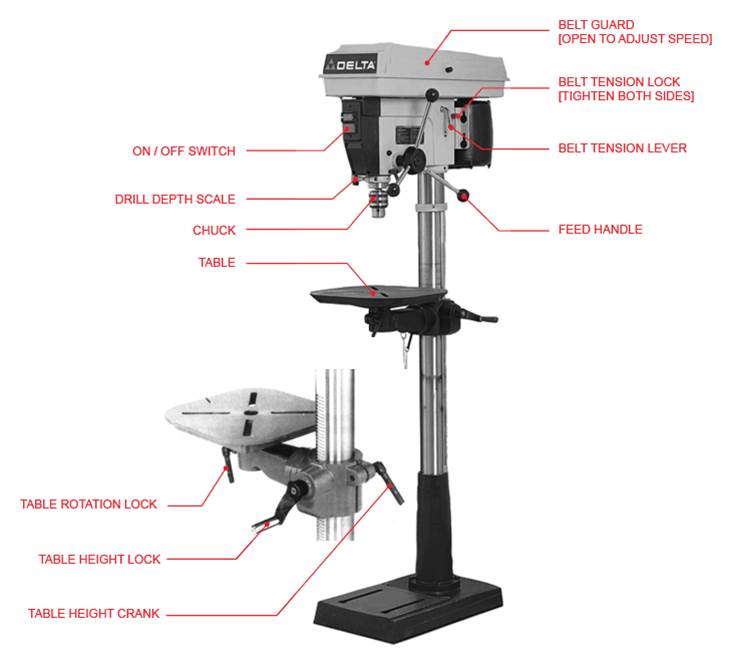
During my time there, I was tasked with a job that involved drilling holes into a metal piece. I had no idea what I was making. I just did what they said. I had a foreman who set up the job and showed me how to work the drill press, and I did the job for hours on end. One day, I was drilling several holes into a metal piece, and I had to load it into a metal jig that ensured it was in the correct position and aligned for drilling. To drill the holes, I had to align the vertical drill above the appropriate hole in the jig and then gently pull down on the feed wheel/lever, which lowered the spinning drill into the jig. 

However, I was working too quickly, and the drill bit became stuck in the metal piece in the jig. The jig, then began spinning violently, and I lost my grip on it. For a few seconds, which seemed like an eternity, I watched it spin and wobble out of control at 1000 RPM. I was standing about a foot away from this tornado of cold metal. The drill bit eventually broke causing the jig to fly 20 feet through the air and it sparked when it hit the concrete shop floor. Luckily, I was not in the way or injured. I was never asked to work on that drill press again. 

The second time I was close to death occurred when I was driving to work after dropping my daughter, Andrea, off at preschool. The road was wet, and I was heading down a slight decline when I spun out of control on black ice. I headed straight for a ditch on the left side of the road, narrowly missing a telephone pole. I was then stuck in the ditch, unable to stop until the front of my car hit something and the rear swerved to the left, causing the car to roll sideways. 

I don’t know how many times the car rolled, but it was enough to scare me. When I stopped, I was still in the ditch, right-side up, and perpendicular to the ditch. I couldn’t open the doors, so I climbed out of the driver’s window. Luckily, a couple of women stopped to help me out of the car and took me home. I didn’t suffer any major injuries, thanks to my seat belt, but I did have a mild AC joint separation that was caused by the seat belt. 

In both instances, I was lucky to come out unscathed.

(NMN) No Middle Name

I was named after my paternal grandfather, Pietro DiSantis. I was not born with a middle name, which was uncommon. Almost everyone I knew had a middle name, or so I thought. I guess I felt left out. So upon Confirmation, according to Catholic traditions, I got to choose a new name; I assumed the name David as my middle name. I chose David in honor of Davy Crockett, the King of the Wild Frontier. Davy Crockett was a popular Disney character who appeared in movies and on television. I used to sing his theme song all the time. My three-year-old sister, Janet, also tried to sing it, but it came out wrong. She sang, “Davy, Davy ChaCha.” Cute.

So why is this middle name important? I signed legal documents with it, and no one complained. I used my middle name all the time. My military records included my middle name. One employer used the middle initial in email addresses, but for some reason, they inserted an “X” instead of a “D.” So I petitioned for and obtained the “D” as my middle initial in my email address: Peter.D.DiSantis@xcompany.com.

Everything went smoothly from 1957 to 2001. After 9/11, many things changed, particularly air travel. Your identity and the documents to prove it became essential. As I was frequently traveling for business, I found it necessary to apply for TSA PreCheck. This U.S. Government system at airports would grant certain privileges to frequent flyers. One particularly important privilege was keeping your shoes on while walking through the metal detectors and not having to remove your laptop and other items from your carry-on bag. This convenience was greatly appreciated by all frequent travelers.

The TSA application process requires several forms of identification. I had an official copy of a birth certificate, a driver’s license, and a U.S. Passport. I had “my papers,” and I believed they were in order. However, before obtaining TSA PreCheck, I had to present my documents and answer a few questions at the TSA office. When the TSA officer reviewed my credentials, he rejected my application because my name did not match on all the documents. My Washington State Driver’s License included my middle name, whereas the other documents did not. Fortunately, rectifying the issue was simple—I needed to obtain a new license. I applied for a new Washington Driver’s License using my birth certificate as evidence, and a few weeks later, I received the updated license. I then scheduled another appointment with the TSA, and this time, all my papers were in order, leading to my acceptance into the TSA PreCheck program.

Since different branches of the government do not communicate effectively, I had to address my name change with the Veteran’s Administration. I attempted to work with the nearby VA Hospital and submitted an application to change my name, including copies of all my paperwork, which the TSA now approved of. However, I never received any response from the VA, and I was unsure how to follow up. It seemed that all that paperwork disappeared into a vast black hole. Years later, I received helpful advice on how to apply for a government name change, which involved using the same paperwork but a different application process. Thankfully, it was approved. However, the process wasn’t over yet. I had to inform the VA that the government had approved my name as Peter DiSantis, with no middle name (NMN).

Finally, everything has been resolved, and Peter DiSantis is at peace.

“That’s all I have to say about that.” ~ Forrest Gump

My Father, Tony

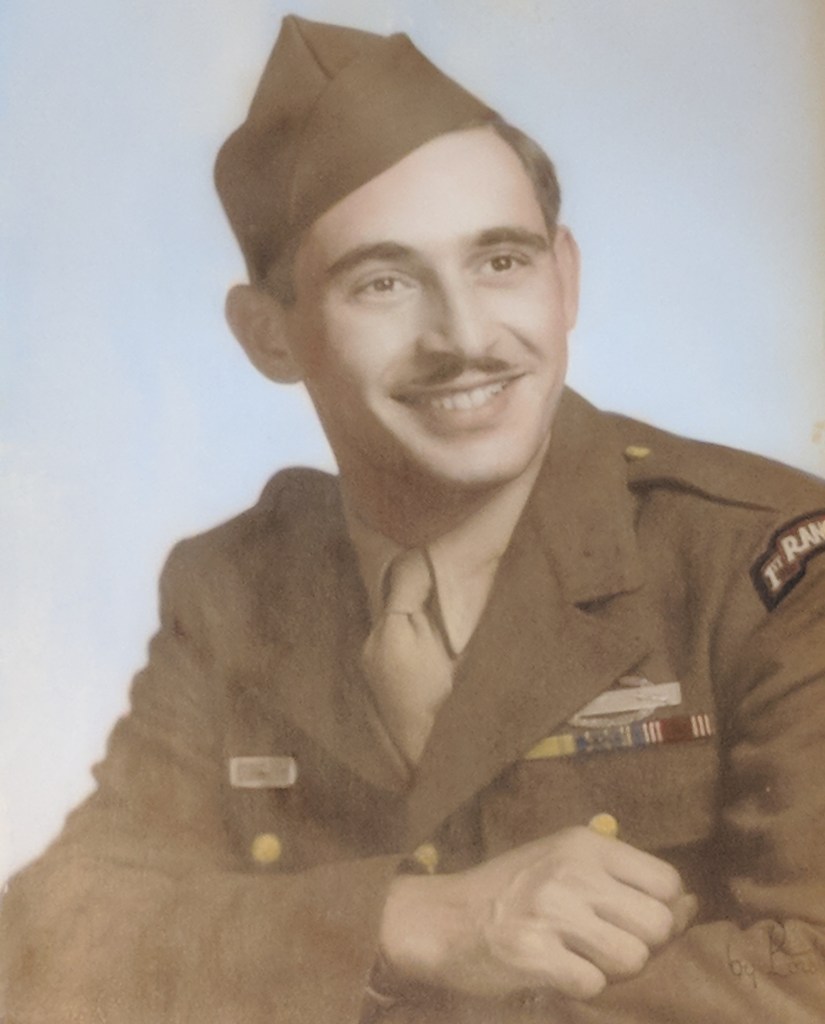
I am very proud of my father, who had the distinction of being one of the first U.S. Army Rangers. Darby’s Rangers hold a unique place in military history as an elite unit renowned for their exceptional skills and unwavering courage.

The Rangers

At the height of World War II, an extraordinary group of soldiers emerged known as Darby’s Rangers. Led by Lieutenant Colonel William O. Darby, this unit was unlike any other, characterized by their unparalleled determination and remarkable combat abilities.

Darby’s Rangers underwent rigorous training with the British Army Commandos in Scotland to hone their skills and prepare for the challenges that lay ahead. From mastering advanced combat techniques to developing exceptional marksmanship and survival skills, these soldiers exemplified the highest standards of military training. A 1958 movie, “Darby’s Rangers” starring James Garner, as LTC Darby depicted a brief history of the unit.

Throughout their distinguished service, Darby’s Rangers engaged in numerous combat missions that showcased their extraordinary capabilities. Notable missions, such as the assault on Cisterna during the Italian Campaign and the crucial role they played in the invasion of Anzio, demonstrated their prowess and tenacity in the face of adversity. Anzio was a brutal battle with many American casualties. My father said he was there after the beachhead had been established and not during the initial bloody invasion.

The legacy of the Rangers paved the way for the establishment of the modern U.S. Army Rangers, who continue to uphold the same values and traditions that defined Darby’s original unit. The legacy of Darby’s Rangers will forever remain a testament to the power of determination and courage.

My father attended Ranger Reunions every two years, often with my mother. The conventions were held around the country and were the highlight of Dad’s summer. Every two years, he would grow out his mustache as it was when he was with the unit. I remember taking a road trip to Milwaukee, WI sometime during the 1960s. We even toured a brewery (I was underage at the time). I also recall my mom and dad going to Des Moines, IA, Dallas, TX, and Washington, DC for Ranger reunions.

During the reunion, my dad would sit in the hotel lobby where the event took place and watch his old friends walk in the door. As the years went on, more men became aware of the reunions and attended whenever possible. In fact, for the last 20-30 years of his life, Dad wore a black beret with a Ranger patch, proudly advertising his association with the battalion. I don’t know how many men he recruited to attend the next biennial reunion, but I’m sure even one would have been plenty. My dad especially loved reconnecting with friends who he thought had been casualties at the reunion. It brought him great joy to see those old comrades again.

I have Dad’s black beret, his stiletto, and a book titled “Darby’s Rangers” by James Altieri. The book was published in 1945 and chronicles William O. Darby, the formation of the unit, its training, and operations during WWII. My dad is pictured once in the book and listed on the roster of the Ranger Force Headquarters. I remember this book has a cardboard cover, but my father had it proudly leather-bound.

Within the covers of this magazine-formatted book were some of my dad’s cherished Ranger mementos: old newspapers and clippings, his discharge papers, a Special Official Pass (to travel to Naples, and any other “off limit” areas), a color photograph of my dad and other members of the Northeast Chapter of the Ranger Battalion Association, a telephone roster of Northeast Chapter members, and an invitation from Warner Brothers Pictures to a “special screening” of “Darby’s Rangers” in New York City.

The Rangers were a significant part of my dad’s life.

Recently, while reading his discharge papers, I came across things I knew, forgot, and never knew. After U.S. Army Basic Training, Dad served 30 months as a Sergeant in the 1st and 4th Ranger Battalions in Africa, Sicily, and Italy. He was overseas for almost 16 months. He was awarded the Combat Infantry Badge, a Distinguished Unit Badge, with an Oak Leaf Cluster, a European – African – Middle Eastern Service Medal, and a Good Conduct Medal. His last 10 months of service were as a Private First-Class, Military Policeman. He was honorably discharged after 3 years, 8 months, and 11 days from Fort Monmouth, N.J.

Working With Dad

I might have been 10 years old when I first went to work with him. We left our apartment in The Bronx, and walked to the newsstand, where he tossed a nickel and grabbed a New York Daily News. Then we went to the diner on Fordham Road for a fried egg sandwich on a hard roll. My eggs were scrambled. Afterward, we waited for his boss to pick us up for the hour’s drive north to Westchester County.

We didn’t have a car at the time. However, I remember he drove a panel truck for work and brought it home one weekend. He received a ticket because he parked the commercial vehicle on the street outside our apartment. So hitching a ride with his boss was how Dad commuted to work for many years until he purchased a green 1957 Pontiac Chieftain.

While he was employed in Westchester, he worked for a dry cleaner. He was proficient in all the tasks at the shop: taking clothes at the front counter (the only area where I was helpful), cleaning the clothes in the toxic solution at the time, removing spots if necessary, and pressing the clothes. However, Dad spent approximately half of his day preparing orders for delivery, which included bagging the orders in a plastic bag and loading the panel van, and delivering them,

From the first time I accompanied him to work, he imparted to me the importance of organization. You could say this is where the seeds were planted for my career in small package delivery. I learned the art of organizing the pre-work so that the actual tasks would proceed more smoothly. Additionally, I gained knowledge about the sequential loading of the truck and arranging the customer’s stops in the most efficient order to minimize time and distance. Dad excelled in customer service. He knew the preferred delivery locations for customers who were not home, such as the front door, back door, garage, breezeway, and so on.

Dad taught me the value of quality. Whether it was assisting Uncle Teddy in building my grandparents’ house in Hopatcong, NJ, or playing cards with my uncles, he consistently demonstrated the proper way to accomplish tasks. This laid the foundation for my future career as an Industrial Engineer. It is often said that women build relationships face-to-face, while men build relationships shoulder-to-shoulder. In my case, I understand the truth in this statement. My most cherished memories of my Dad are working alongside him. Two particular instances come to mind: breaking up a 300-square-foot concrete patio in Hopatcong and laying a vinyl tile kitchen floor in their Yonkers home.

Our Name

Another significant lesson I learned from my father was how to spell our last name. He always said, “It’s D-I capital S.” I didn’t realize until many years later that my father had a unique spelling. His family was large, consisting of six sisters and two brothers. I’m unsure how my aunts spelled their maiden names, but my uncles Angelo and Ralph, along with all their children, spell their names as “DeSantis.” D-E! Where did that come from? I never asked Angelo or Ralph. D-E is very common, whereas D-I is not. When we acquired our first telephone in 1961, The Bronx phone book contained pages and pages of DeSantis listings and only one DiSantis entry, which was my Mom and Dad.

But why D-E? I have some clues. It seems to have originated from a clerical error in my grandfather’s U.S. Naturalization papers. The typewritten document stated “Pietro Santis,” and the “De” was handwritten above and between the first and last name. However, my grandfather signed the paper as D-I. Additionally, I possess a copy of an Ellis Island manifest that my grandfather signed as DiSantis when he entered the country. I also have a photograph of him standing in front of his grocery store with his name, “Pietro DiSantis,” in gold letters, above his head, on the plate glass window. (As soon as I find that picture, I will post it.)

DiSantis or Di Santis? No space or space. That is a recent issue propagated by technology. Some apps and systems will not allow a capital “D”, a small “I” and a capital “S”, with no space between the “I” and the “S”. The resulting output is Disantis, with no capital “S”, which is incorrect. Therefore the only way to spell our name correctly would be to add the space.

The Christmas Fire

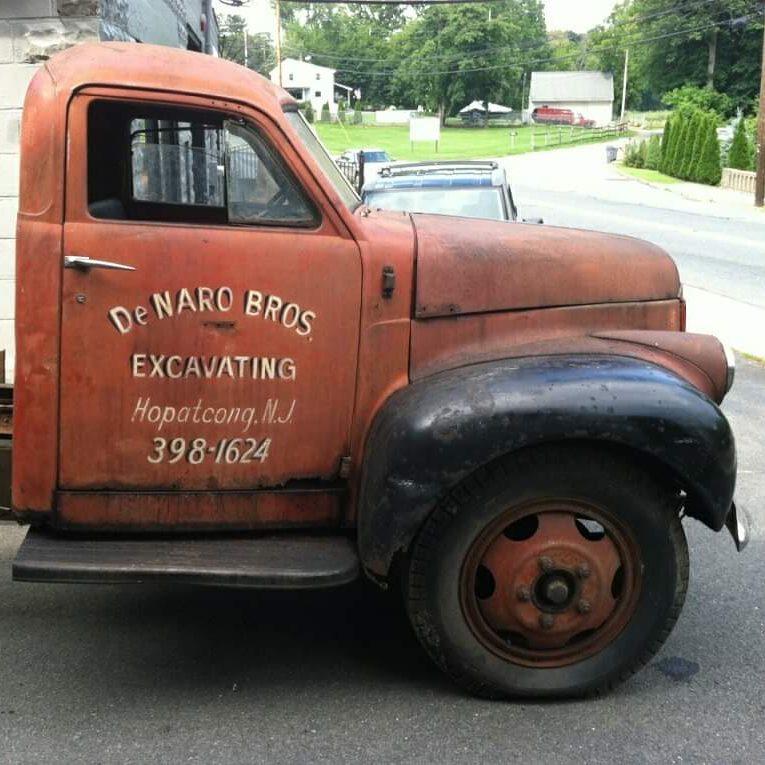
The cab and engine compartment of the infamous truck

My Mother’s brother Teddy built a house with lots of help from family for my grandmother, Jennie, and grandfather, Stephen in Hopatcong, New Jersey. The house was a great gathering place for the family when it was completed. It was also difficult to get to before Interstate 80 was finished. Being a youngster, it took forever, maybe 90 minutes or longer especially on holiday weekends. Until that time, U.S. Route 46 was the main road off the George Washington Bridge to the Lake Hopatcong area. It went through every small Jersey town west of the bridge, with traffic lights and traffic circles. It was a long haul. Then began the back roads around the lake.

After winding your way around the lake, on your right, there was a small park and beach, The Crescent Cove Beach Club now. Soon began your ascent. The road up the hill had a trajectory NASA would appreciate. My Uncle Teddy wanted a house on the top of the hill and so we floored it. That first hill and the rest of the road up Dupont Avenue were another difficulty to get to Grandma’s house.

Now imagine all that in the winter, IN THE SNOW! They were hearty souls who traveled to Grandma’s in those days. Since the community around Hopatcong and especially up Dupont was a summer community, there were very few permanent residents. So in the winter, the snow was plowed by the city of Hopatcong up to Grandma’s and no further. There was a HUGE wall of snow at the end of Grandma’s driveway.

Christmas Eve, don’t ask me when, probably in the early (19)60’s my mom, dad, and sister made the trek to Hopatcong and stopped when we met the wall of snow. And soon fresh snow began to fall again.

Luckily, Uncle Teddy had a contract to plow the smaller streets in the town. He had a small dump truck (featured above) and a snowplow and had some extra work each winter. He asked if I wanted to ride with him that Christmas Eve night and I was excited to be his shotgun. We were out for an hour or so, (who knows, I was just a kid) when I noticed a strange red glow in the snow bank on the right side of the truck. And it was following us. It stopped when we did and moved forward when we did. I told Uncle Teddy about it and he stopped the truck. We got out to inspect where the red glow was coming from. The outside of the truck looked fine, but beyond the right front wheel, under the fender, the engine was on fire. Holy smokes!

Gratefully, there was plenty of water in the frozen form and we were throwing snow at the blaze until it went out. We probably smothered it rather than douse it. Anyway, it went out. How exciting!! Uncle Teddy decided then we would go directly home and the job for shotgun was to watch out for any more red glows. What an exciting Christmas!!

Hat Fetish

Who Me? Okay, maybe. I’m guilty.

Recently, I have been buying hats and coveting many, many others. I do have a small collection. Some purchased and some gifted and all special. A hat for almost every occasion; in which I would care to participate. Most of my hats are new but two are old, and I will get to those two stories momentarily.

First, let me make the distinction between a hat and a cap. Baseball caps are just that, CAPS, of which I have a few. I used to have many more but my taste turned to other styles. So, I gave away dozens of baseball style caps.

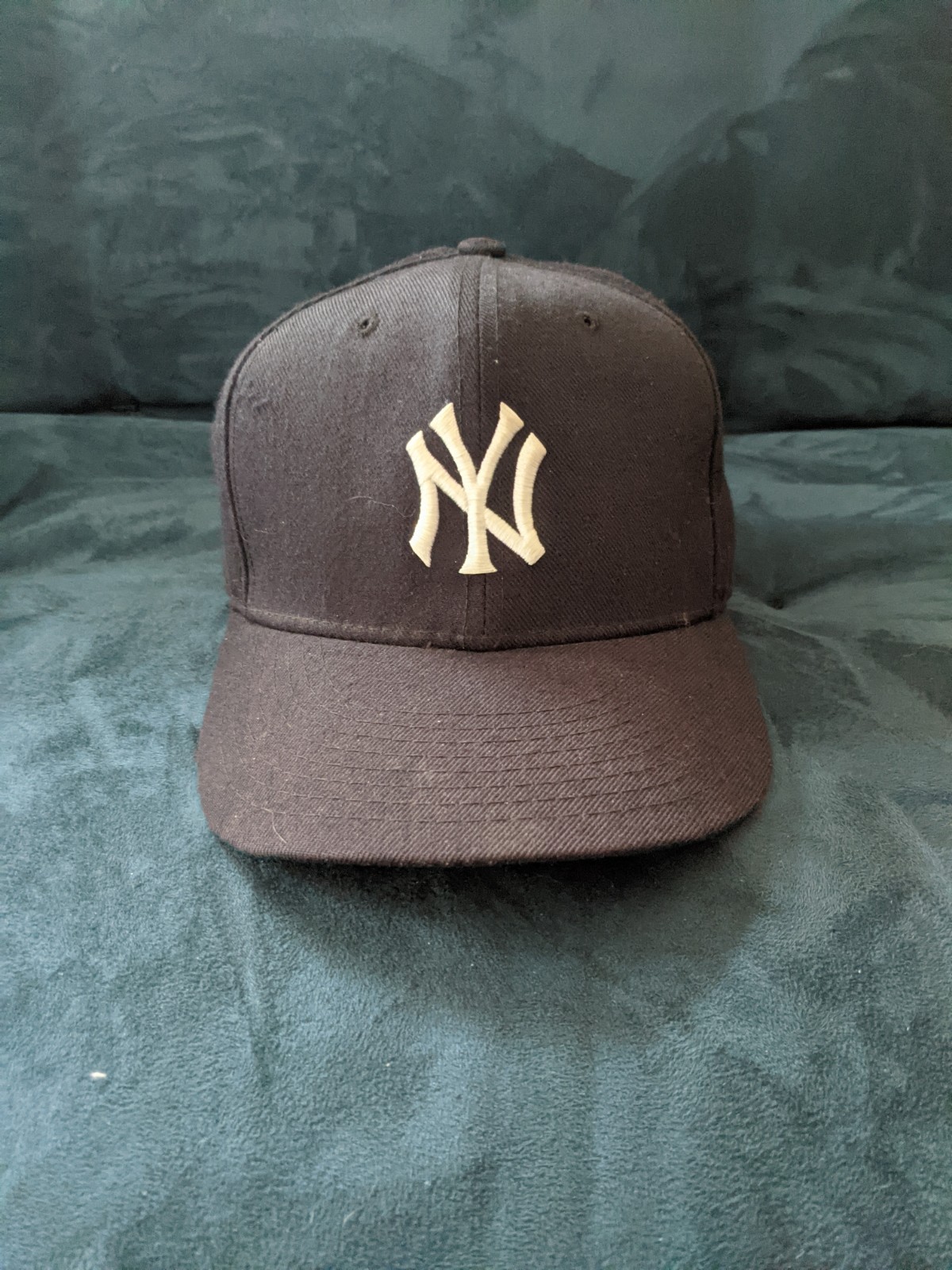
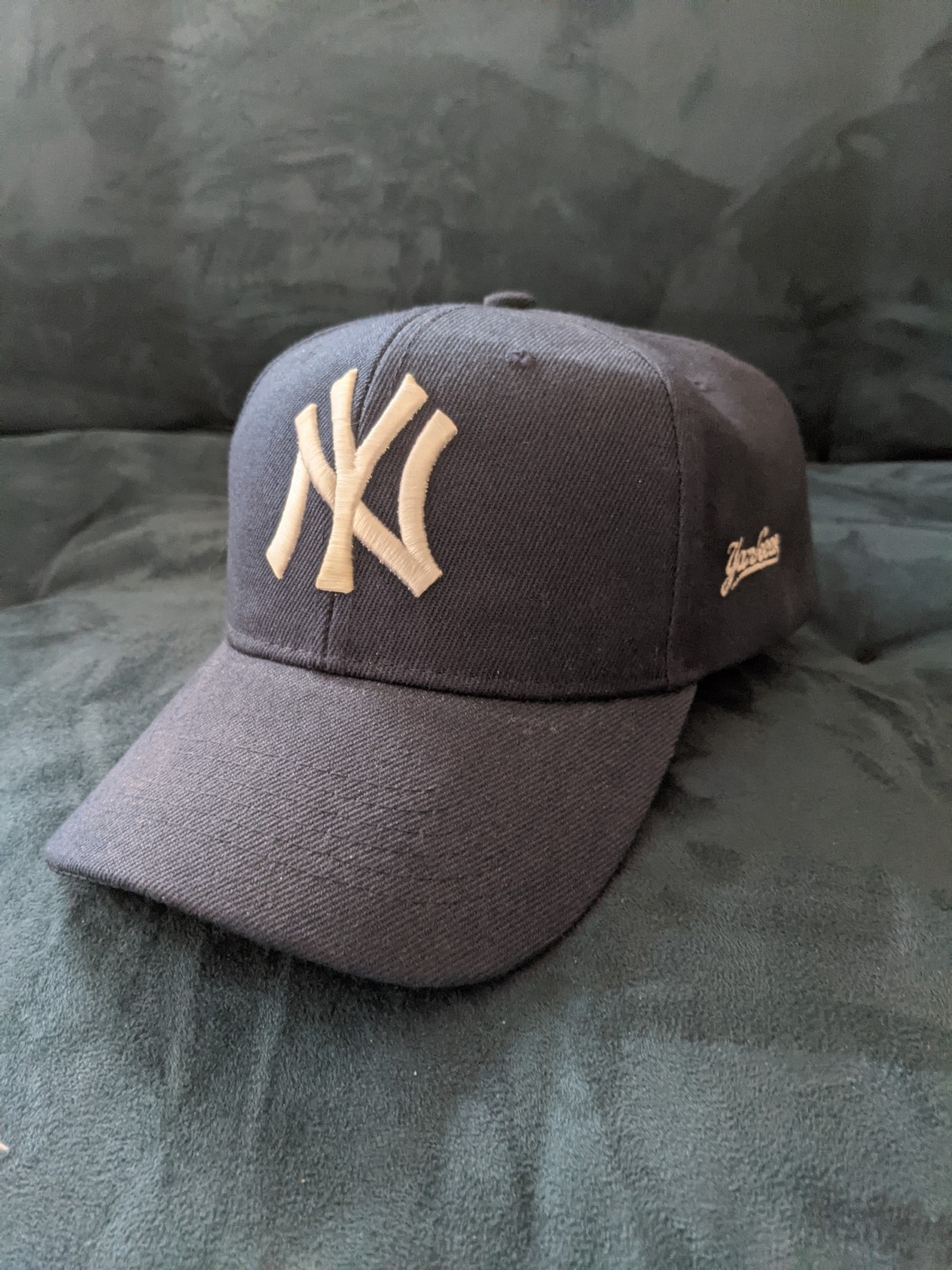
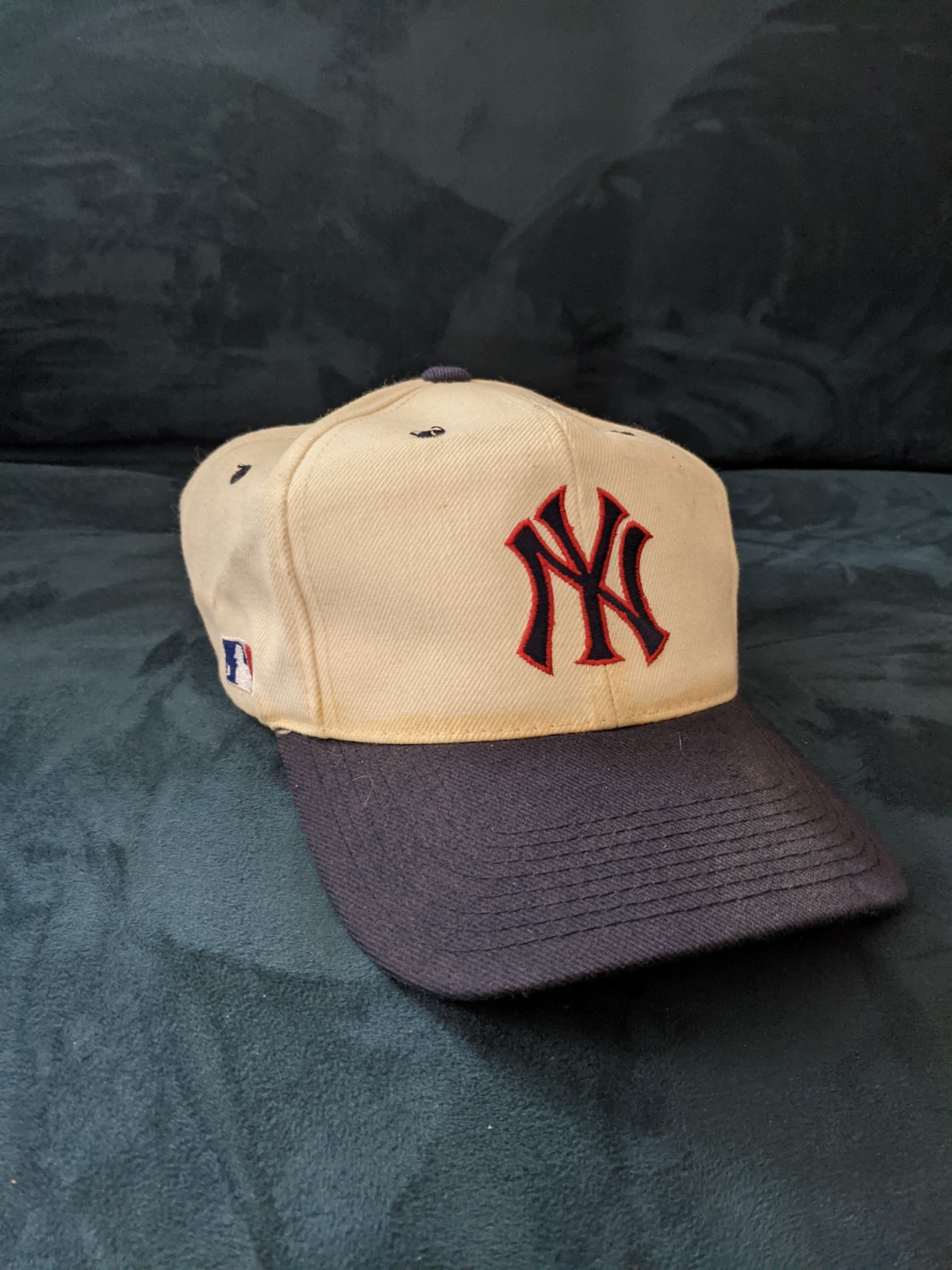
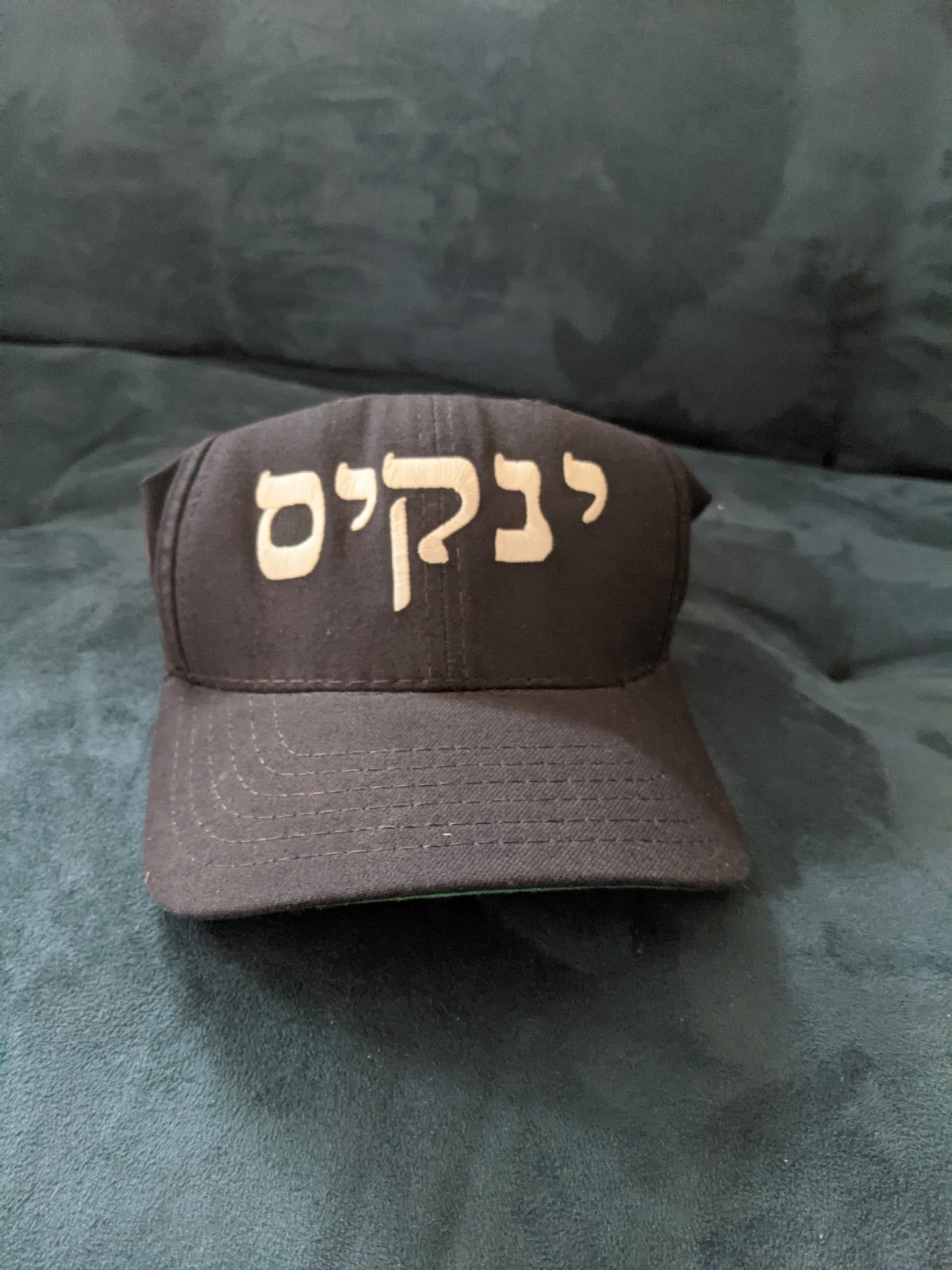
The only baseball team cap I ever had is, of course, the New York Yankees; of which I have four. The most unique is one without the embroidered NY logo on the front, you would expect. Instead, emblazoned on the front are Hebrew characters that sound like “yang-keys.” It’s an MLB cap, so it is officially licensed.

I do have another NY baseball cap, which is also special. It is a replica of a 1948 New York Cubans wool cap. The Cubans won the Black League World Series in 1947, the year I was born. (I even have a moth-eaten woolen Cubans replica jersey, #1.) All totaled, I have seven baseball-style caps. Not many, yet all with memory and history.

HATS are another story! I have four fedoras, two berets, several Ivy caps, and one each Jungle Hat, Stetson Panama, Newsboy, tribal headdress, Cowboy, and Coonskin.

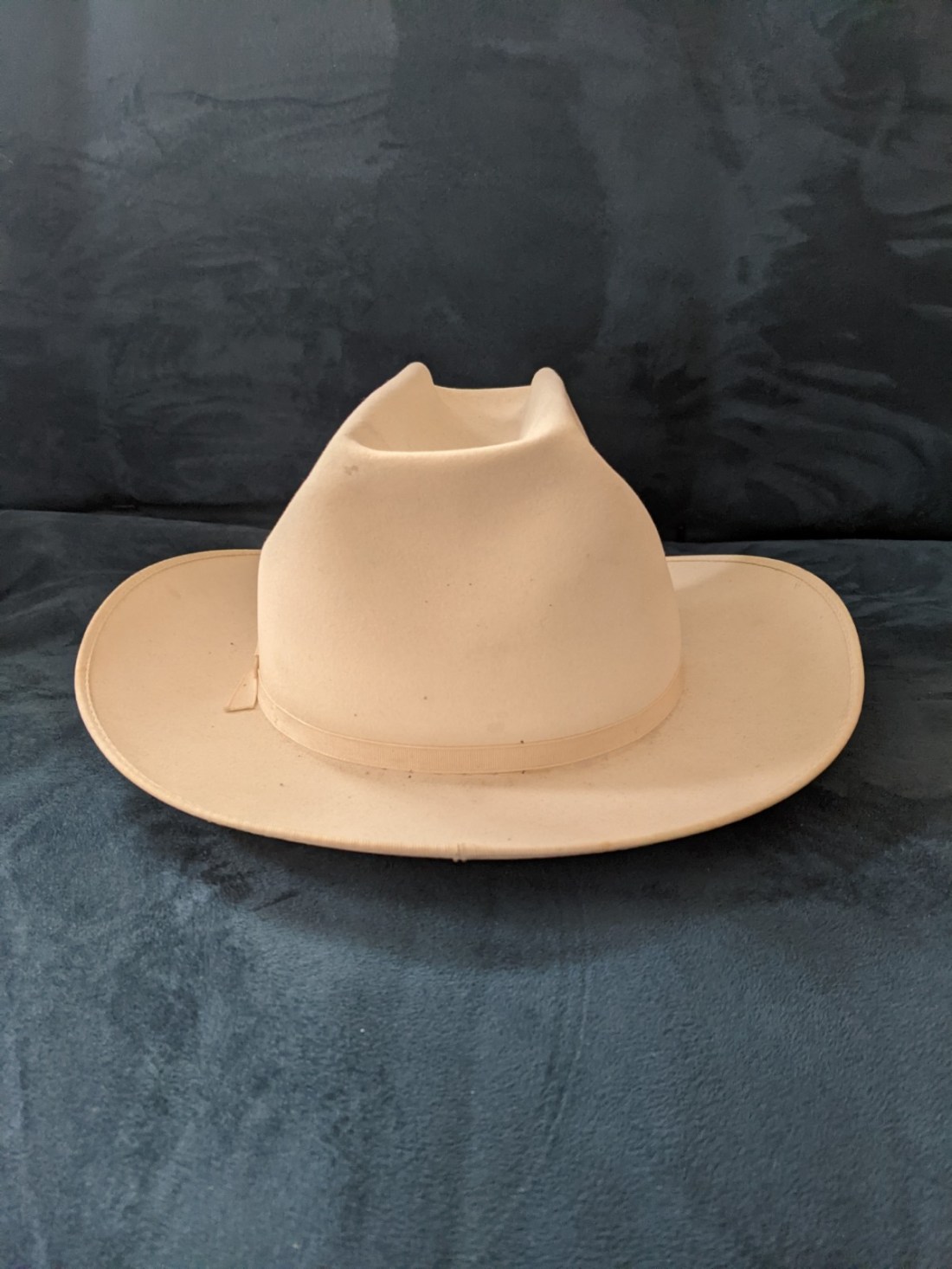
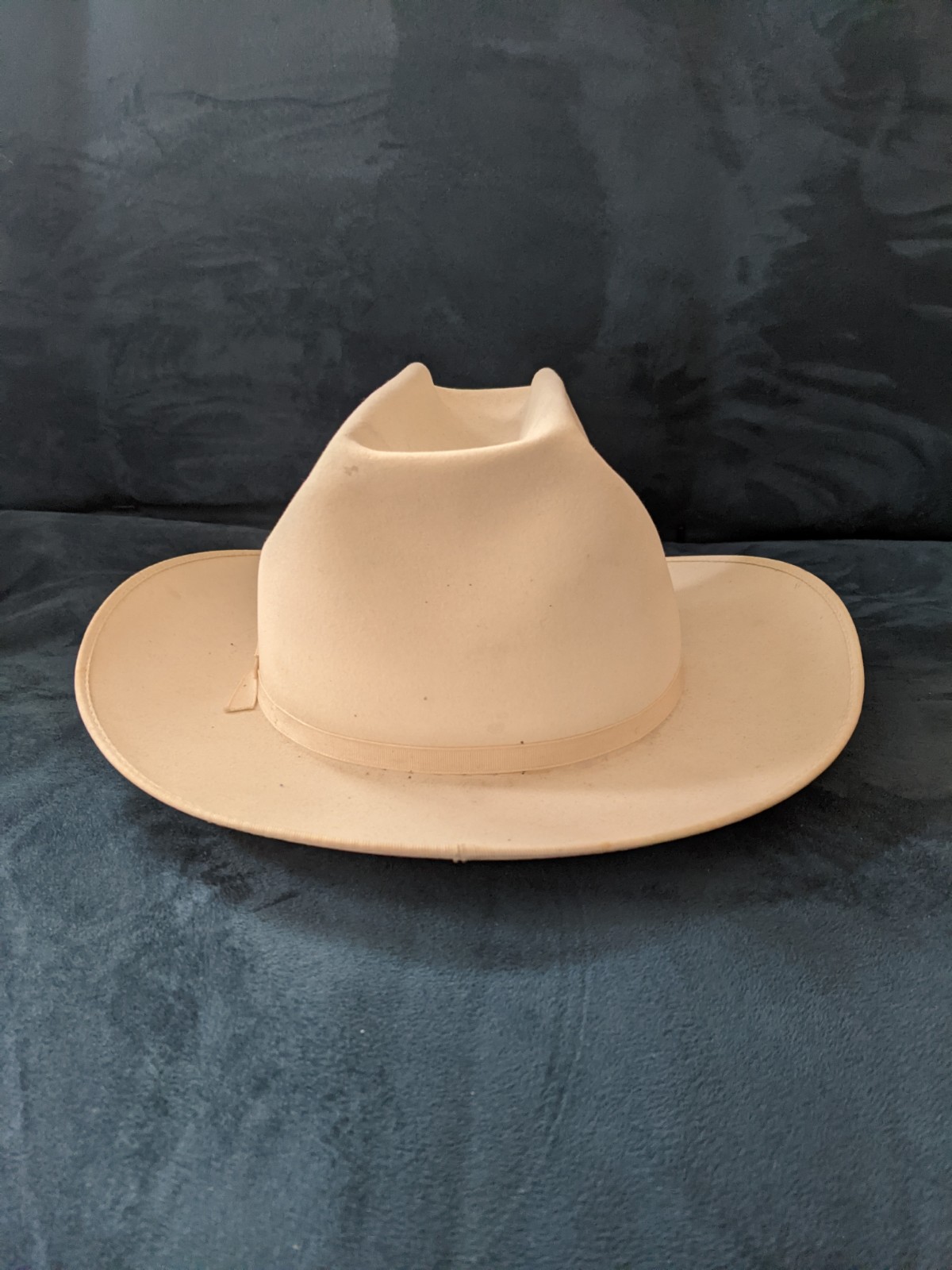
The last two: Cowboy and coonskin are the most special. The Cowboy hat is not your run-in-the-mill rodeo hat. Or a fake wannabe cowboy hat. It’s a beaver Resistol in the “Cattleman” style. It’s a businessman’s hat.

SIDEBAR: In 1963, JFK was assassinated. His alleged killer Lee Harvey Oswald was in custody by the Dallas police. My Cattleman’s style cowboy hat was very similar to the hats worn by the Dallas detectives guarding Oswald which reminds me of JFK.

Before eighth grade, we lived on Lorillard Place in the Bronx, in the Italian neighborhood. This is my only point of reference regarding timing, so, before I was 13. Every other year in August, Dad would go to a reunion of his WWII Army (Ranger) unit. Most times Mom would go as well. At one of these reunions, before I was 13, Dad reconnects with an old Army buddy, Randy Raines. Randy was from Dallas, and Dad said he talked long and very slowly. As most conversations go among friends, the family becomes a topic. Randy says to Dad, “You got a boy! I’m gonna send him a cowboy hat.” When I heard that I was thrilled. I sat on the stoop for days, maybe weeks, waiting for the UPS truck to deliver my cowboy hat. No truck, no cowboy hat, not even a beanie! Crestfallen. I couldn’t look a cowboy in the eyes for years. Not that I met that many in the Bronx.

Decades later, after 1976 (again, another point of reference based on where I lived), Mom and Dad are coming to visit. As he pulls into the driveway, I immediately noticed he is wearing a white cowboy hat. THAT IS MY HAT! I’m about 30 at this time and still very excited. This was the Resistol beaver Cattleman! It was August, and Dad had just returned from his biennial Ranger Reunion. Texan Randy reminds Dad of his promise years ago and Dad had to say, “that was years ago. He’s not a boy anymore.” Right there and then, Mr. Randy Raines takes the hat off his head and puts it on my father’s. Promise fulfilled!

Long before the cowboy hat promise, I was crazy for Davy Crockett (King of the Wild Frontier). Disney had a movie and a TV series. I learned the theme song and sang it all the time. I even taught my younger sister the song. I was smitten.


SIDEBAR: I choose “David” as a Confirmation name. And, since I was not born with a middle name, I assumed it as my middle name, which has since then caused some confusion about my “legal” name. Another story.

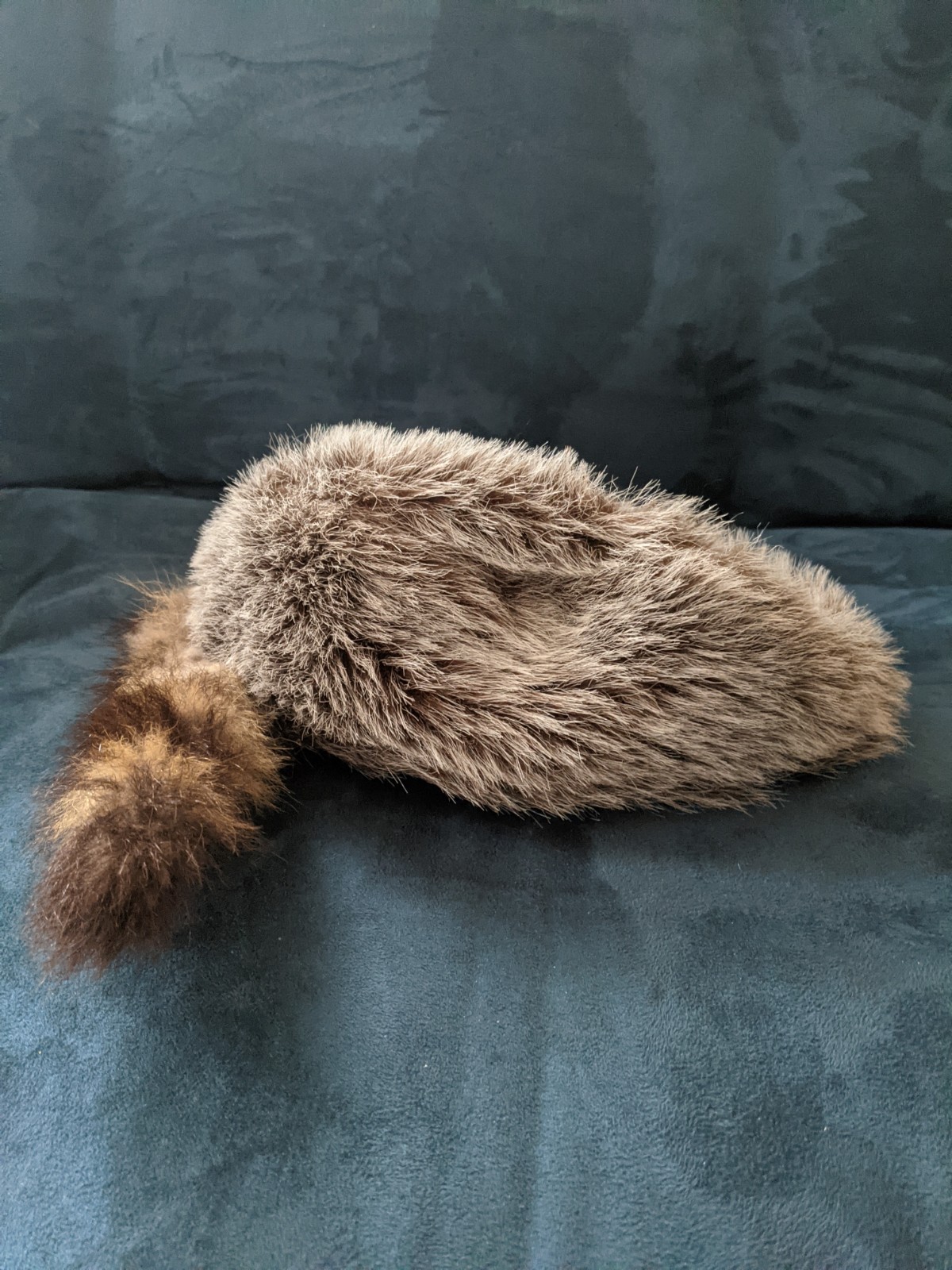
Anyway, everybody knew Davy Crockett wore a coonskin cap and I had to have one. Mom refused to buy me one. A friend of hers was willing to buy the hat for me and Mom refused to accept the gift. Another frustration in my young life. Apparently, decades later, I might have complained about it to my sons: Peter, Matthew, and Michael, in the course of some abject “disappointment” lesson.

Years later, the boys had returned from a trip to Disneyland with their Mother. At our next meeting, second son Matthew very proudly presented me with a Davy Crockett coonskin cap, which he bought for me at Disneyland. I was very touched and grateful. I treasure that faux fur and real raccoon tail cap. I will bequeath it to Matthew’s eldest son, and my eldest grandson, Anthony.

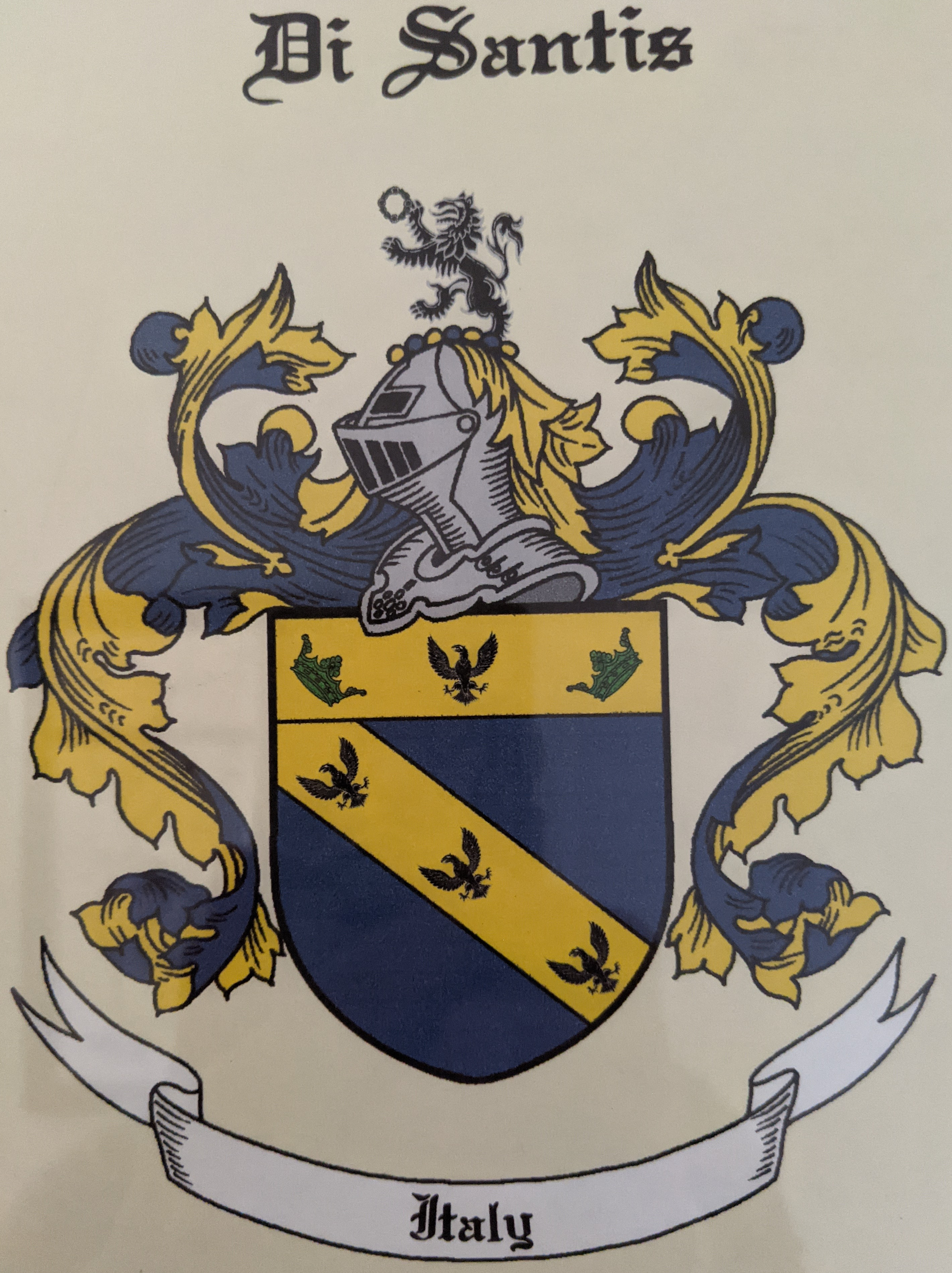
The Family Crest(s)

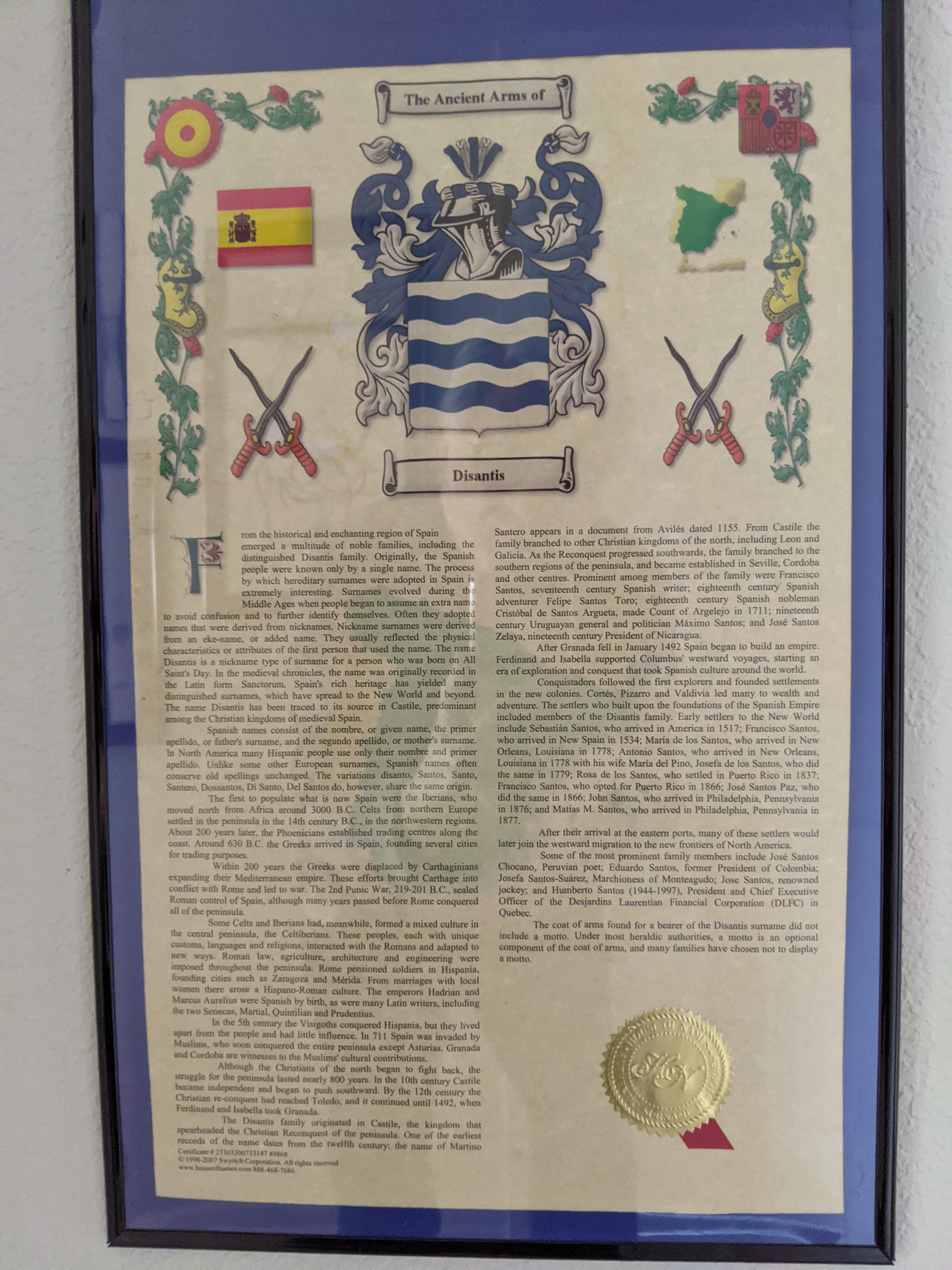
Disclaimer: Who knows how much of this is true. I did not do independent research. I bought these heraldic citations at the Washington State Fair years ago.

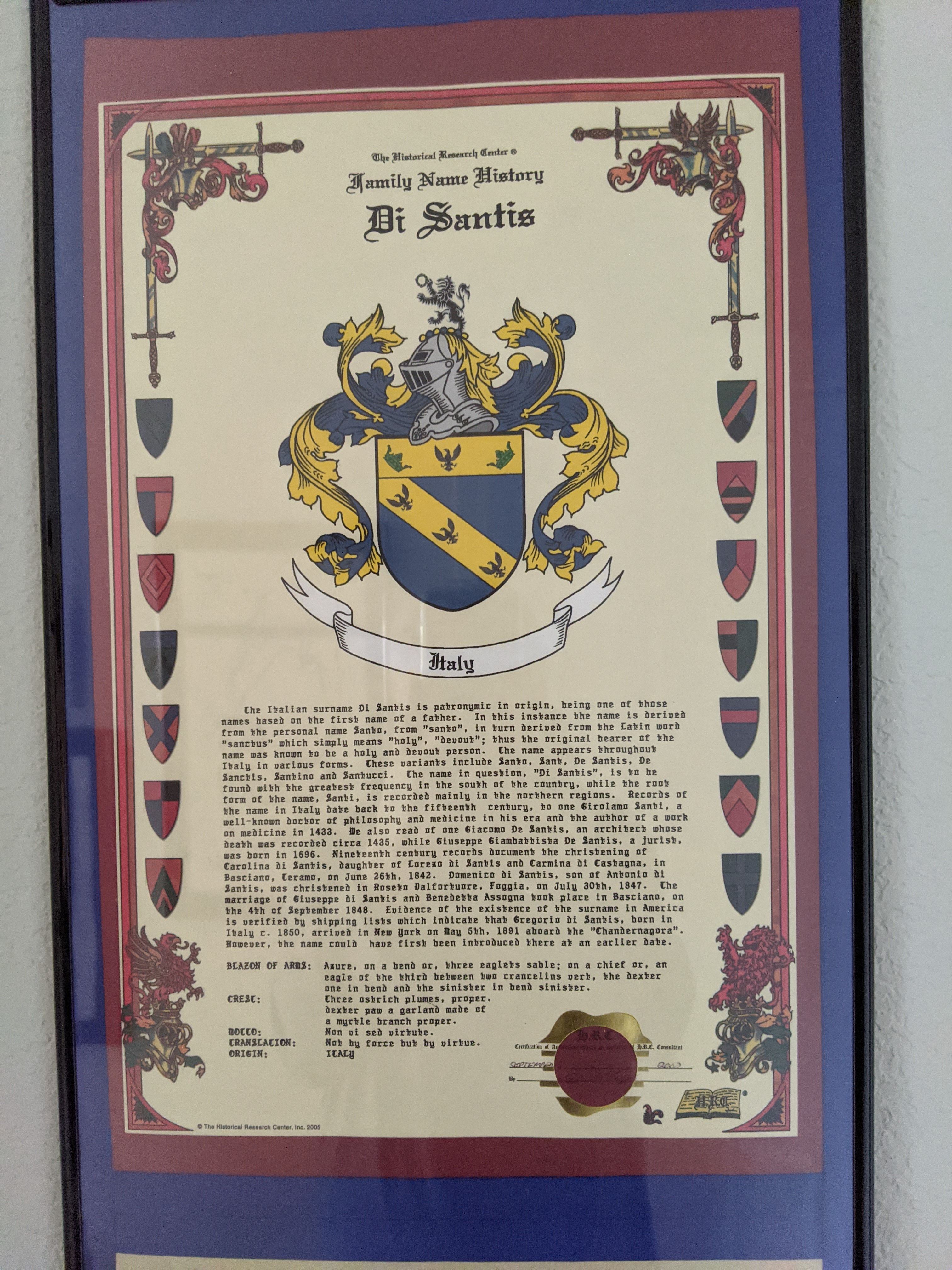
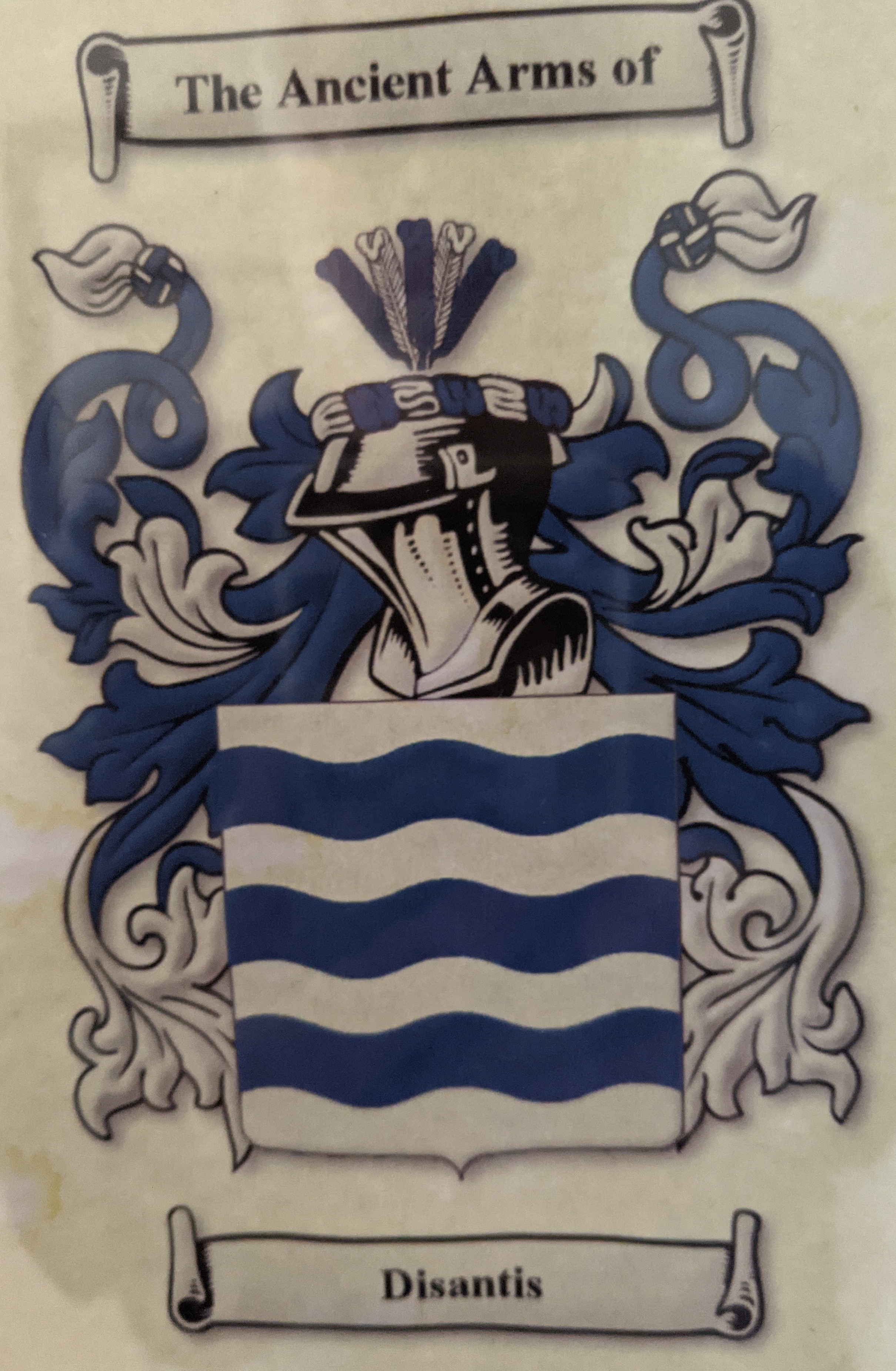
Two family crests: one from Italy and the other from Spain. It has always been curious to me why our name does not end in a vowel, like most Italian names, until I read this Spanish heraldry. Since the Spanish pre-dates the Italian, I assumed there was a migration to Italy at some point. If you read the Spanish citation, they indicated Roman soldiers retired in the conquered Hispania. Some Roman emperors were even born in Hispania before returning to Rome. However, according to my Ancestry there are no DNA links to the Iberian Peninsula. Curious.

So, my personal choice would be the Italian Coat of Arms because I know my paternal grandfather, Pietro DiSantis immigrated from Avellino, Italy, 47 km east of Naples. My paternal grandmother was also from the same area of Italy. My maternal grandparents were from Sicily. I’m going with the Italian crest.

Italian Coat of Arms Citation

The Italian surname Di Santis is patronymic in origin, being one of those names based on the first name of a father. In this instance the name is derived from the personal name Santo, from “santo”, in turn derived from the Latin word “sanctus” which simply means “holy”, “devout”; thus the original bearer of the name was known to be a holy and devout person. The name appears throughout Italy in various forms. these variants include Santo, Sant, De Santis, De Sanctis, Santino and Santucci. The name in question, ”Di Santis”, is to be found with the greatest frequency in the south of the country, while the root form of the name, Santi, is recorded mainly in the northern regions. Records of the name in Italy date back to the fifteenth century, to one Girolamo Santi, a well-known doctor of philosophy and medicine in his era and the author of a work on medicine in 1433. We also read of one Giacomo De Santis, an architect whose death was recorded circa 1435, while Giuseppe Giambattista De Santis, a jurist, was born in 1696. Nineteenth century records document the christening of Carolina di Santis, daughher of Lorezo di Santis and Carmina bi Castagna, in Basciano, Ceramo, on June 26th, 1842. Domenico di Santis, son of Antonio di Santis, was christened in Roseto Valfortuore, Foggia, on July 30th, 1847. The marriage of Giuseppe di Santis and Benedetta Assogna took place in Basciano, on the 4th of September 1848. Evidence of the existence of the surname in America is verified by shipping lists which indicate that Gregorio di Santis, born in Italy c. 1850, arrived in New York on May 5th, 1891 aboard the ”Chandernagora”. However, the name could have first been introduced there at an earlier date.

BLAZON OF ARMS: Azure on a bend or, three eaglets sable; on a chief or, an eagle of the third between two crancelins vert, the dexter one in bend and the sinister in bend sinister.

CREST: Three ostrich plumes, proper, dexter paw a garland made of a myrtle branch proper.

MOTTO: Non vie sed virtute

TRANSLATION: Not by force but by virtue

ORIGIN: Italy

More details from the website http://hrc-500.appspot.com/
CREST: A symbol (sometimes more than one) relating to hopes, ambitions or status
A lion rampant sable, holding in the dexter paw a garland made of a myrtle branch proper.

SYMBOLISM: The meaning of symbols (known as charges) and colors on the Coat of Arms and Crest. These represented the hopes, dreams and ambitions of bearers of this heraldry insignia.

Azure – A bright blue color which represents truth and loyalty. Bend – A diagonal bar on the shield which signifies the scarf or shield suspender of a knight commander and stands for defense or protection. Chief – The upper part of the shield. It was often granted as a special reward for prudence and wisdom or successful military command. Crancelin – A diagonal bar topped with a shape similar to the profile of a crown. Eagle – The eagle plays an important part in heraldry in almost every part of the globe and denotes a person of noble nature, strength, bravery and alertness. Or – The color gold. It denotes the qualities of generosity and elevation of mind. Sable – Black. This color denotes constancy or grief. This may also refer to the animal Sable prized for its fur. Vert – The color green. Represents the qualities of hope, joy and loyalty in love.

Spanish Coat of Arms Citation

From the historical and enchanting region of Spain emerged a multitude of noble families. including the distinguished Disantis family, Originally, the Spanish people were known only by a single name. The process by which hereditary surnames were adopted in Spain is extremely interesting. Surnames evolved during the Middle Ages when people began to assume an extra name to avoid confusion and to further identify themselves. Often, they adopted names which were adopted from nicknames. Nickname surnames were derived from an eke-name or added name. They usually reflected the physical characteristics or attributes of the first person that used the name. The name Disantis is a nickname type of surname for a person who was born on All Saints Day. ln the medieval chronicles, the name was originally recorded in Latin form Sanctorum. Spain’s rich heritage has yield many distinguished surnames, which have spread to the New World and beyond. The name Disantis has been traced to its source in Castile, predominant among the Christian kingdoms of medieval Spain.

Spanish names consisted of the nombre or given name, the primer apeliido, or father’s surname and the segundo apellido, or mother’s surname. ln North America many Hispanic people use only their nombre and primer apeliido. Unlike some other European surnames. Spanish names often conserve old spellings unchanged. The variations disanto, Santos, Santo, Santero, Dossantos, De Santo, Del Santos do. however, share the same origin.

The first to populate what is now Spain were the Iberians, who moved north from Africa around 3000 B.C. Celts from northern Europe settled in the peninsula in the 14th century B.C.in the northwestern regions. About 200 years later, the Phoenicians established trading centres along the coast. Around 630 B.C. the Greeks arrived in Spain, founding several cities for trading purposes.

Within 200 years the Greeks were displaced by Carthaginians expanding their Mediterranean empire. These efforts brought Carthage into conflict with Rome and led to war. The 2nd Punic War, 219·201 B.C., sealed Roman control of Spain, although many years pasted before Rome conquered the peninsula.

Some Celts and Iberians had, meanwhile, formed a mixed culture in the central peninsula, the Celtiberians. The peoples. each with unique customs, languages and religion, interacted with the Romans and adapted to new ways. Roman law, agriculture, architecture and engineering were imposed throughout the peninsula. Rome pensioned soldiers in Hispania founding cities such as Zaragoza and Mérida. From marriages with local women there arose a Hispano-Roman culture. The emperors Hadrian and Marcus Aurelius were Spanish by birth, as were many Latin writers including the two Senecas, Martial, Quintilian and Prudentius.

In the 5th century, the Visigoths conquered Hispania, but they lived apart from the people and had little influence. ln 711 Spain was invaded by Muslims, who soon conquered the entire peninsula except Asturias. Granada and Cordoba are witnesses to Muslim cultural contributions.

Although the Christians of the North began to fight back, the struggle for the peninsula lasted nearly 800 years. In the 10th century Castile became independent and began to push southward. By the 12th century the Christian re-conquest had reached Toledo, and it continued until 1492, when Ferdinand and Isabella took Granada.

The Disantis family originated in Castile, the kingdom that spearheaded the Christian reconquest of the peninsula. One of the earliest records of the name dates from to the twelfth century: the name Martino Santero appears in a document from Avilés dated 1155. From Castile the family branched to other Christian kingdoms of the north, including Leon and Galicia. As the Reconquest progressed southwards, the famiIy branched to the southern regions of the peninsula, and became established in Seville, Cordoba and other centres. Prominent among members of the family were Francisco Santos, seventeenth century Spanish writer; eighteenth century Spanish adventurer Felipe Santos Toro; eighteenth century Spanish nobleman Cristóbal de Santos Argueta made Count of Argelejo in 1711; nineteenth century Uruguayan general and politician Maximo Santos; and José Santos Zelaya, nineteenth century President of Nicaragua.

After Granada fell in January 1492 Spain began to build an empire. Ferdinand and Isabella supported Columbus’ westward voyages, starting an era of exploration and conquest that took Spanish culture around the world.

Conquistadors followed the first explorers and founded settlements in the new colonies. Cortés, Pizarro and Valdivia led many to wealth and adventure. The settlers who built upon the foundations of the Spanish Empire included member of the Disantis family. Early settlers to the include Sebastián Santos, who arrived in America in 1517; Francisco Santos, who arrived in New Spain in 1534; Maria de los Santos, who arrived in New Orleans, Louisiana in 1778; Antonio Santos, who arrived in New Orleans, Louisiana in 1778 with his wife Maria del Pino; Josefa de los Santos who did the same in 1779; Rosa de los Santos, who settled in Puerto Rico in 1837; Francisco Santos, who opted for Puerto Rico in 1866; José Santos Paz, who did the same in 1866; John Santos, who arrived in Philadelphia, Pennsylvania in 1876; and Matias M. Santos who arrived in Philadelphia, Pennsylvania in 1877.

After their arrival in the eastern ports, many of these settlers would later join the western migration to the new frontiers of North America.

Some of the most prominent family members included José Santos Chocano, Peruvian poet; Eduardo Santos, former President of Colombia; Josefa Santos-Suárez, Marchioness of Monteagudo; Jose Santos renowned jockey; and Humberto Santos (1944-1997), President and Chief Executive Officer of the Desjardins Laurentian Financial Corporation (DLFC) in Quebec.

The coat of arms found for a bearer of the Disantis surname did not include a motto. Under most heraldic authorities, a motto is an optional component of the coat of arms and many families have chosen to not display a motto.


More information at https://www.houseofnames.com/disantis-family-crest

Getting Started

If I run out of things to say, I will refer to a handy little book, “To Our Children’s Children – Preserving Family Histories for Generations to Come”, by Bob Greene and D.G. Fulford. As I open this book, I notice the bookplate. Apparently, I got this from my eldest daughter, Andrea. Thanks.

There are hundreds of questions in this book and I’m sure it will help prompt me to write something. First, let’s go through the 30 demographic questions. I won’t give you the questions, just the answers in short bursts.

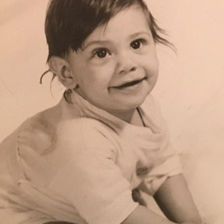
I was born Peter DiSantis (with no middle name) in the Bronx Hospital on a Saturday morning. I was named after my paternal grandfather, Pietro DiSantis, an Italian immigrant.

My mother was one of 11 and my dad was one of nine. I came into a big Italian family and very happy about it. With 36 aunts and uncles come, 54 first cousins. Now, those cousins are grandparents and I’m not sure anyone has a total headcount of the clan. If each cousin had two children and each of them had two, that would be 216 not counting spouses. I’m the exception to that rule. I have 5 children and eight grandchildren.

Based on my heritage, I assumed I was 100% Italian. I bragged for the longest time, “I’m FBI – full blooded Italian”. Well, science and DNA proved me wrong.