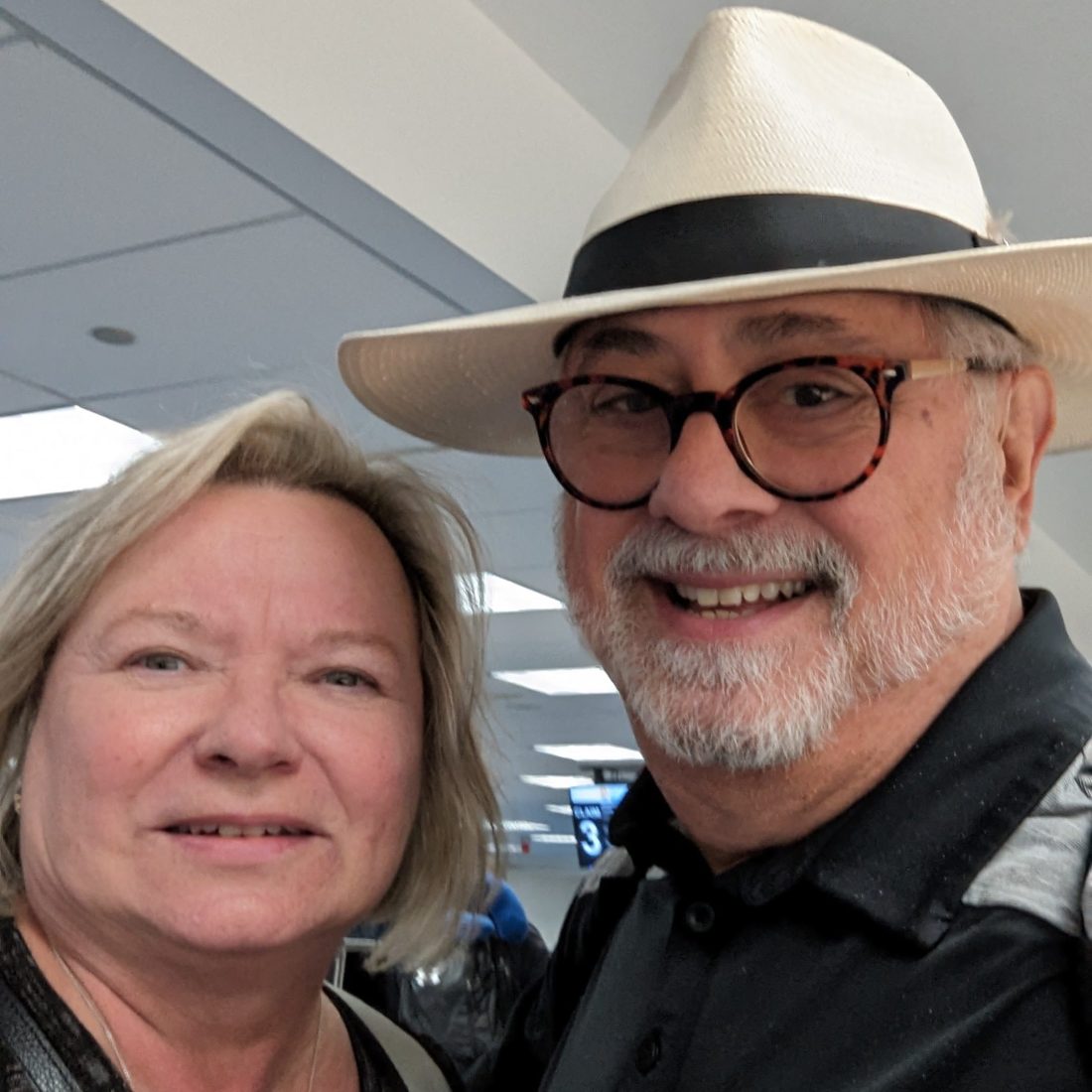
Birthday Cruise

I

Ft Lauderdale

Last week in Scottsdale. 

Now, Ft. Lauderdale. 

Here we go again, 

For a birthday 7 times ten. 

On the plane, first a cocktail.

II

We traveled en masse

This time, in First Class,   

To Florida for 3 days,    

Leaving behind the thick haze, 

In hopes it would pass. 
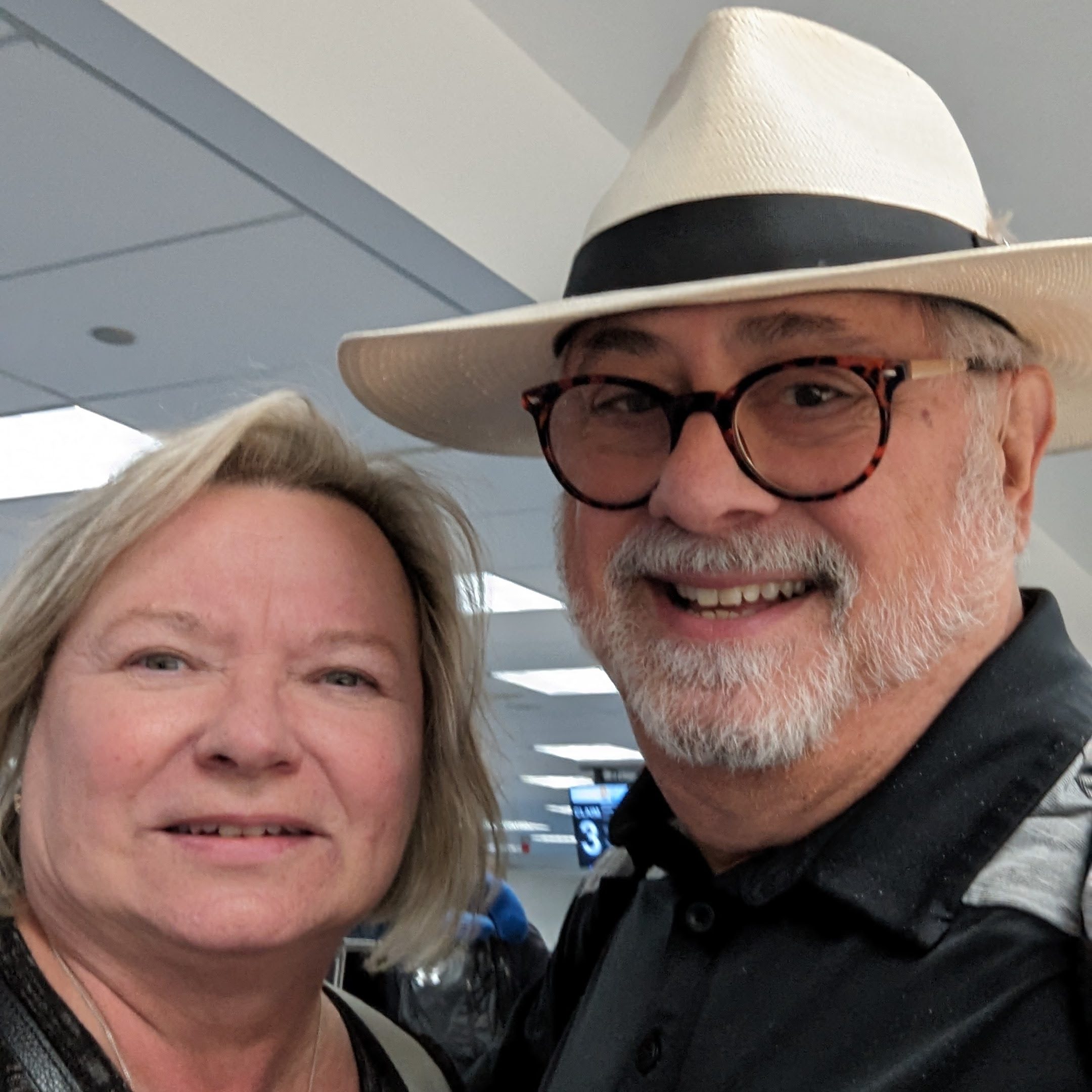
III

We came to the sun.

No surprise to anyone

To get on a cruise ship.

For a 21-day trip

Of Caribbean fun.

IV

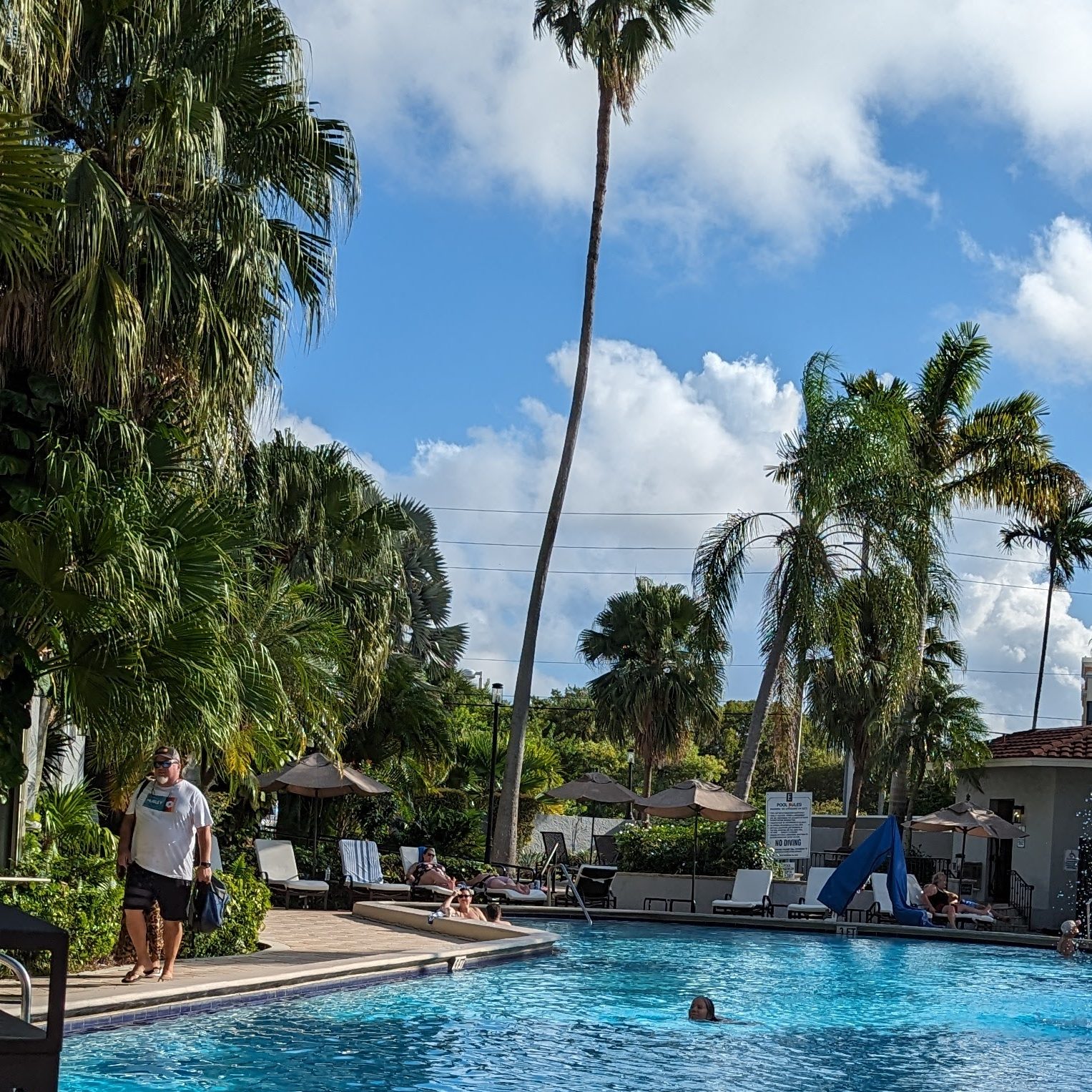
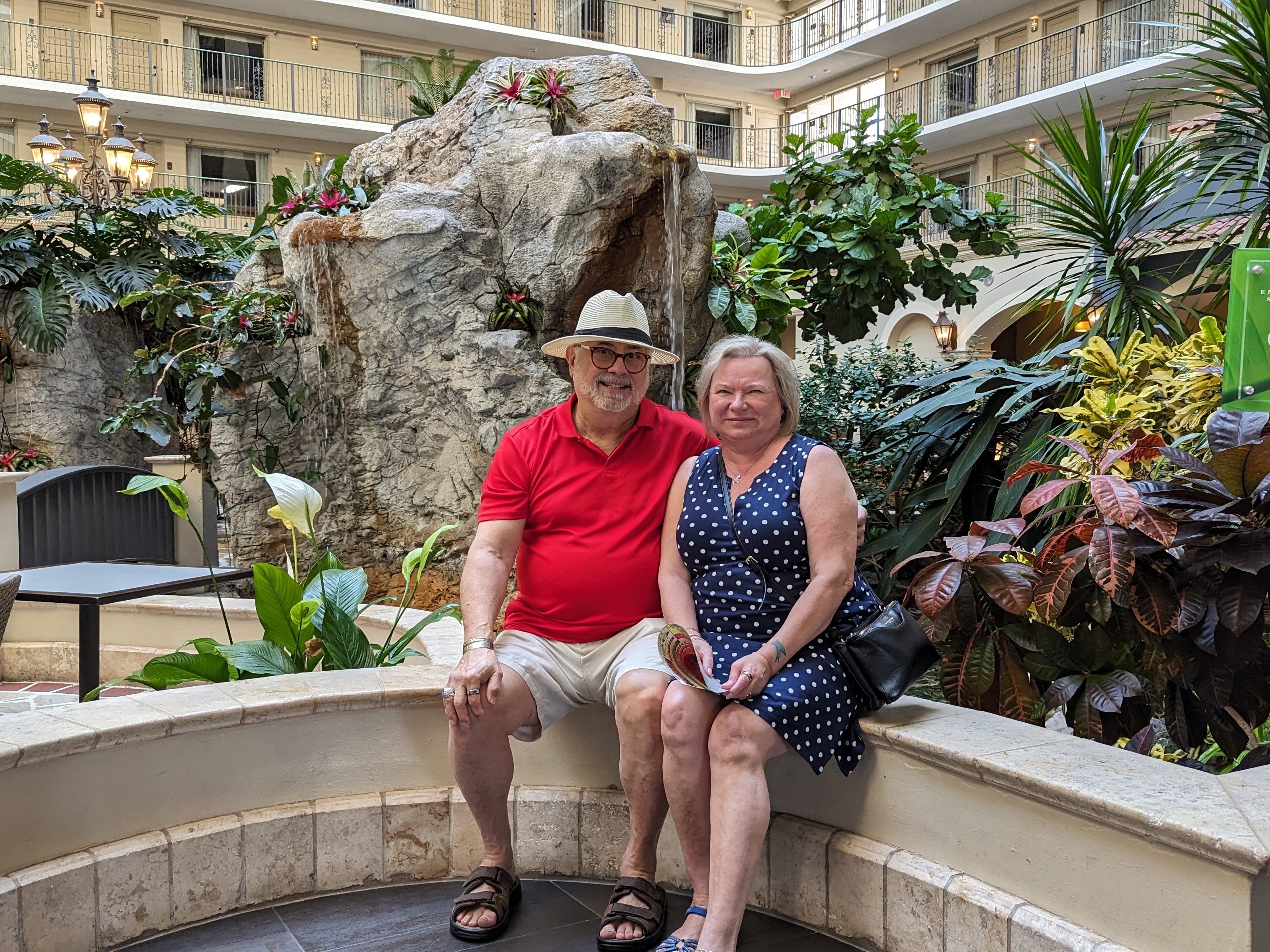
We did check out the lobby, then pool. 

It was inviting, shady, and cool. 

We saw a gecko or two.

On the deck it was true

Don’t feed the animals, is the rule.
 

V

Otherwise, we didn’t do much,

With great friends, we got in touch. 

Before dinner, Tad bought drinks 

And we shared our old hijinx, 

But for dinner, we went Dutch. 

VI

We met Sue and Tad, 

Of this I am glad. 

We first met in Germany. 

Friends forever certainly. 

A great time we had.

VII

We’re excited; left hotel sleepy. 

Waited in the lobby with sweetie. 

Transfer to ship was fast, 

Though terminal was vast, 

We were on the ship quite speedily. 

VIII

On Board

Priority: our cabin we’re bound.

Corner room, and deck that wraps around.

Then we stopped for some food,

And I drank something brewed.

Then pool, bar, and cabana, all found!

IX

We dined early at Club Orange. 

The menu was great, no challenge. 

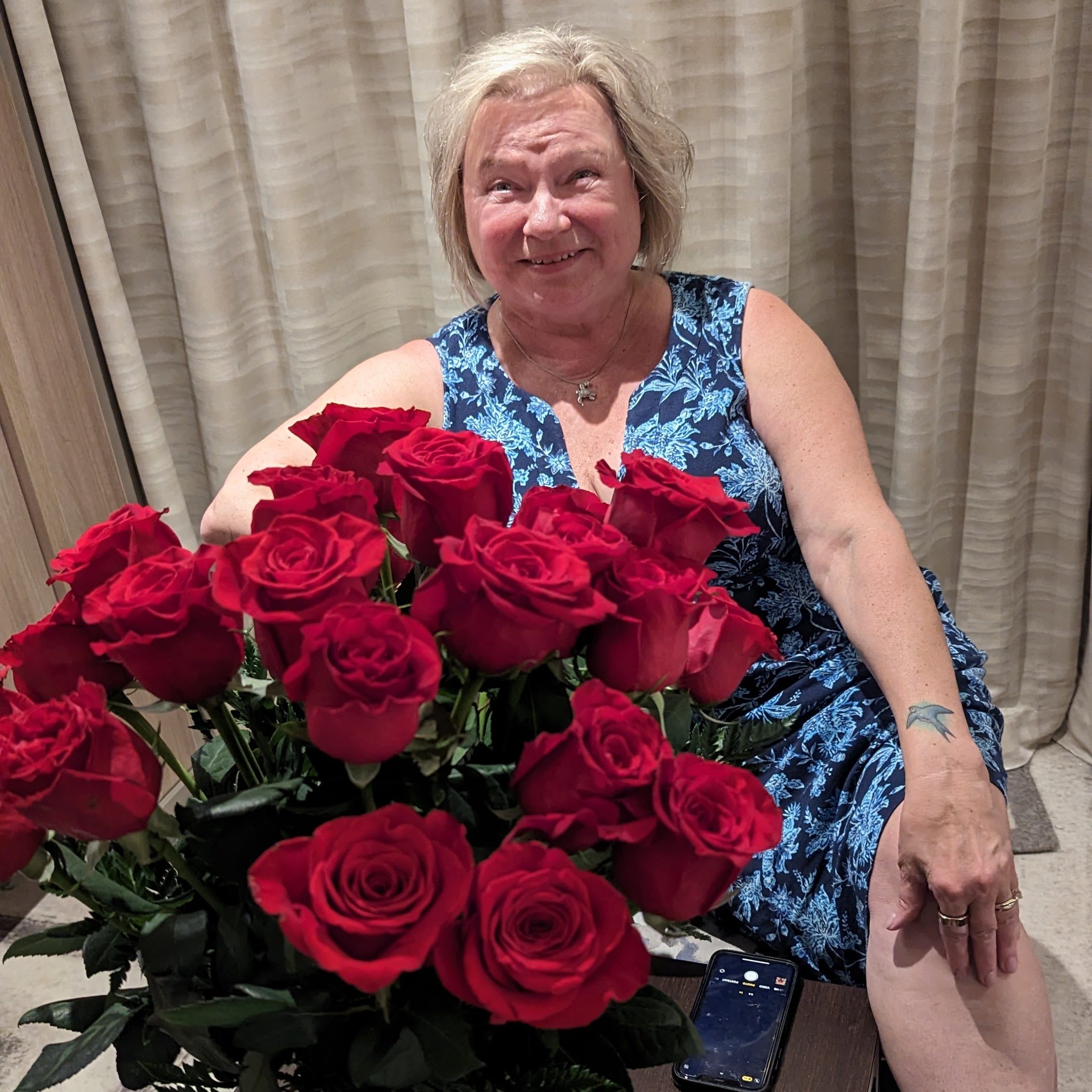
Roses finally came;

I was about to go insane. 

The ship I was prepared to scavenge.
X

Bahamas

Fortunately, our sleep was great;

Conversely, our breakfast was late. 

Room service called to check. 

I said, “What the heck!” 

They said, “Sorry for the long wait.” 

XI

Celebrating our lucky number. 

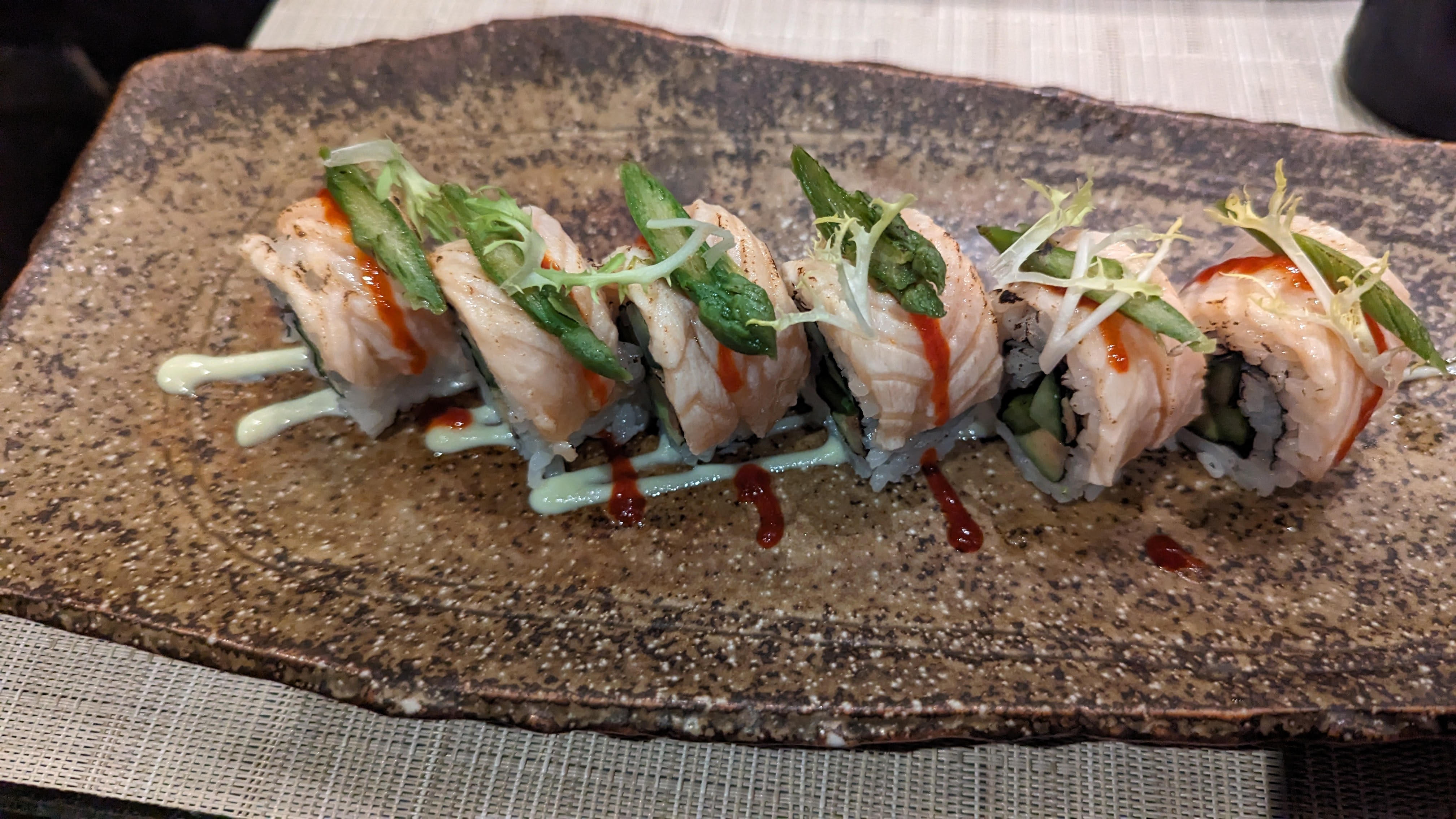
Tonight will be a sushi supper. 

Next month it will be eight;

Ninety-six will be great. 

I love my life with no other.
XII

There is plenty of room in this suite. 

Everything is put away. A treat! 

Now where did I put it? 

I can’t remember shit. 

When I find it, we can go to eat.

XIII

At Sea

Today is a quiet day at sea.

We will take in a movie at three, 

As we cruise by Cuba, 

On our way to Aruba. 

By the way, the movie was “Barbie”. 

XIV

After movie, we had a smoked drink.

One negroni made a big stink. 

Then the Old Fashioned 

Was made with passion. 

We raised a toast and glasses went “clink”.

XV

Aruba

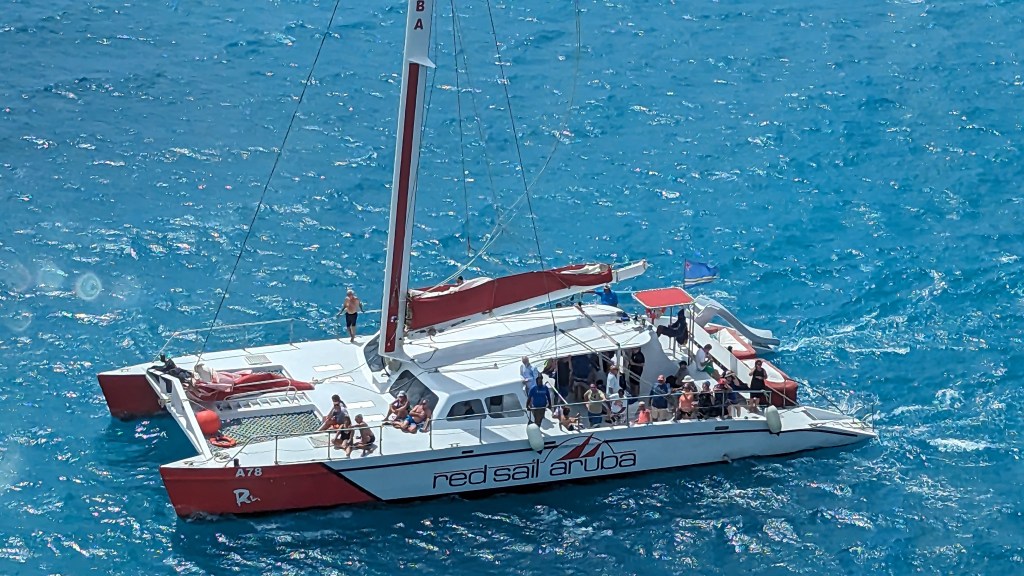
We could have done a catamaran.

Stay in the room was our better plan. 

Room service was great. 

I’m telling  you straight,

It’s harder that way to get a tan.
XVI

From the cold, rainy days we did run, 

Longing for the Caribbean sun. 

I think it’s ironic

With a gin & tonic, 

One hour in the heat, WE’RE DONE!

XVII

At Sea

You see, the sea is perfectly flat, 

And the land, we’re very far from that.

Funny, this may sound dumb, 

Where did these bugs come from? 

“Why is there a moth and a gnat? “

XVIII

Cartagena

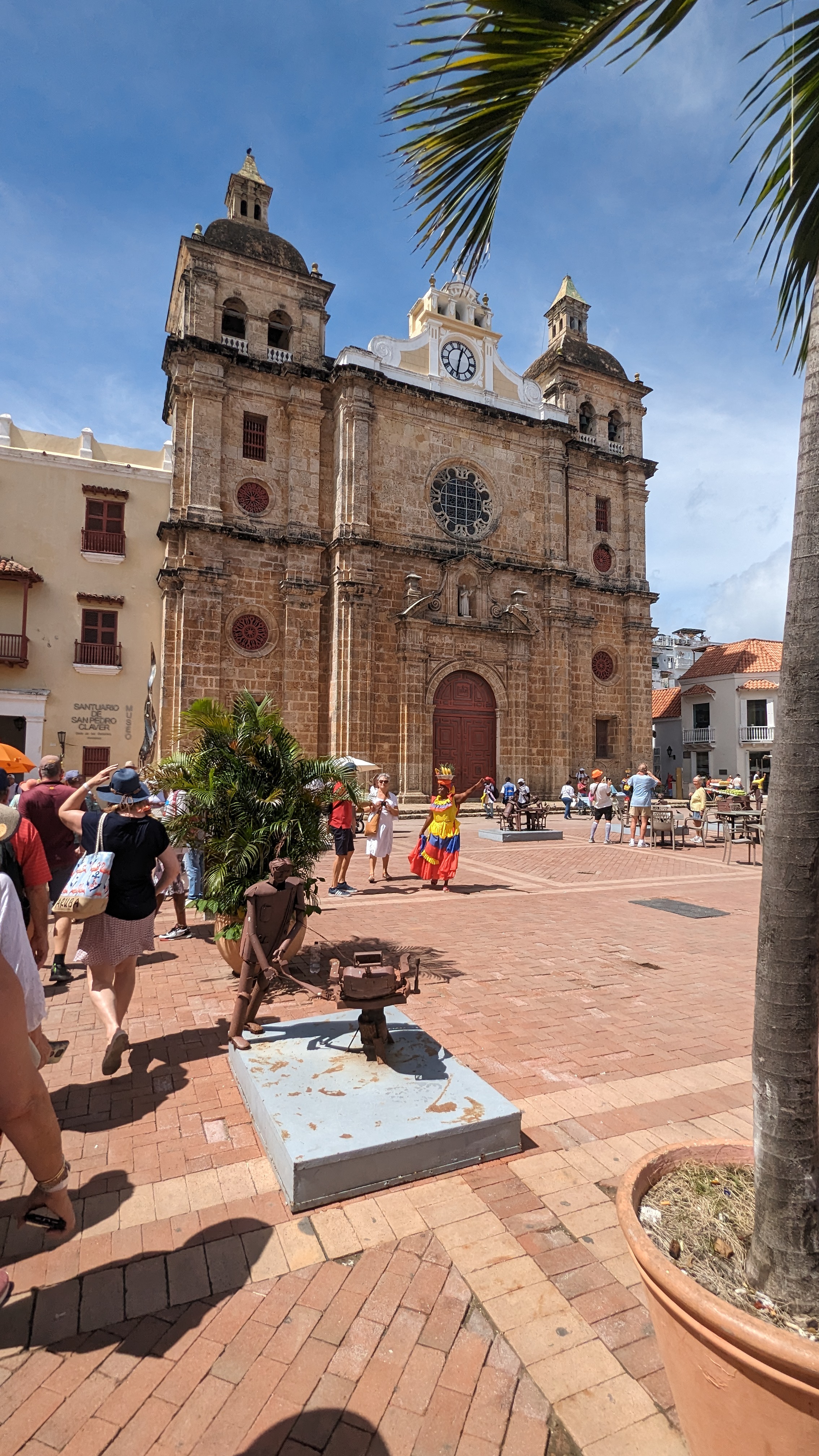
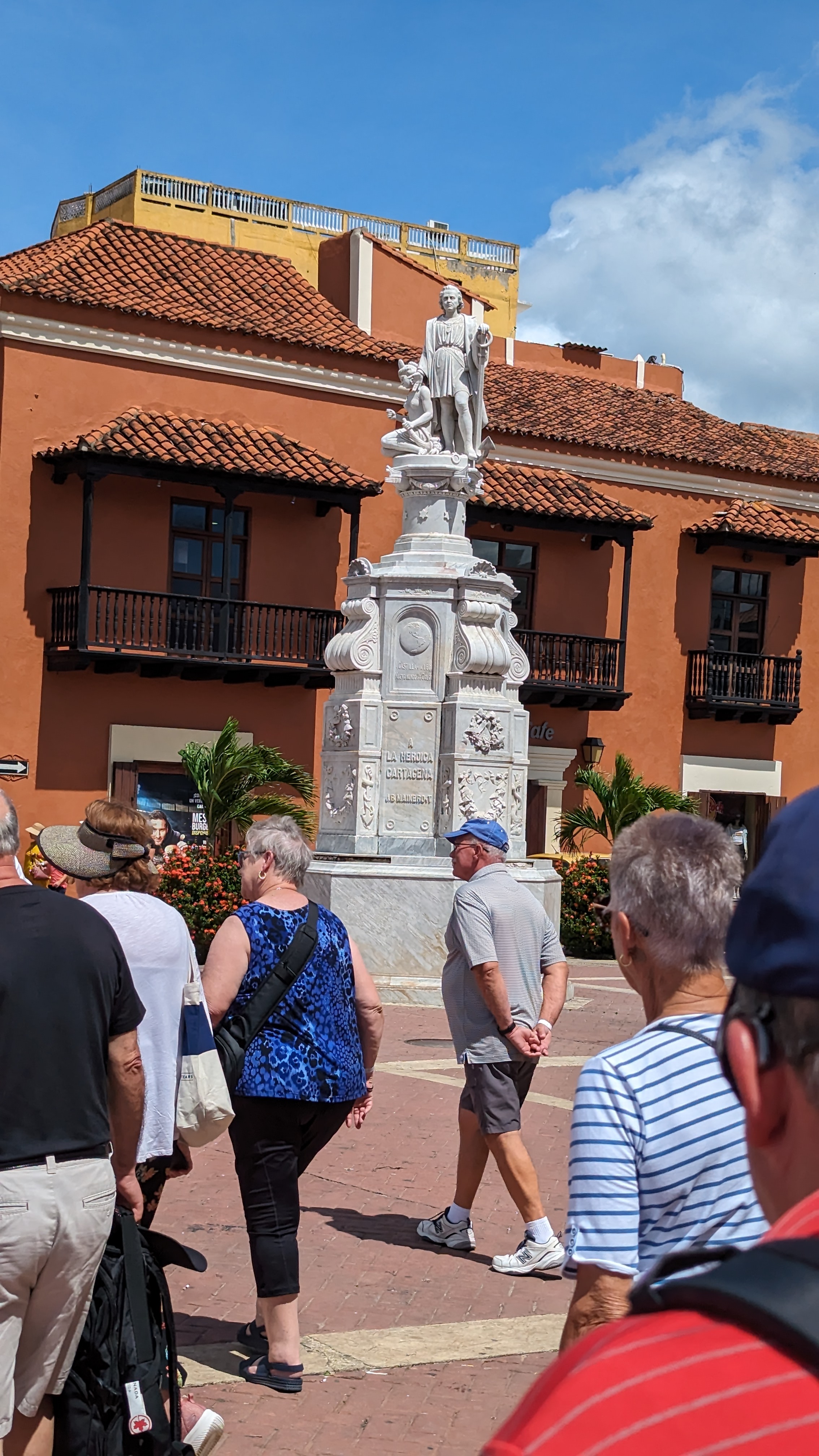
For me, first time on this continent.

Heat and humidity are constant.

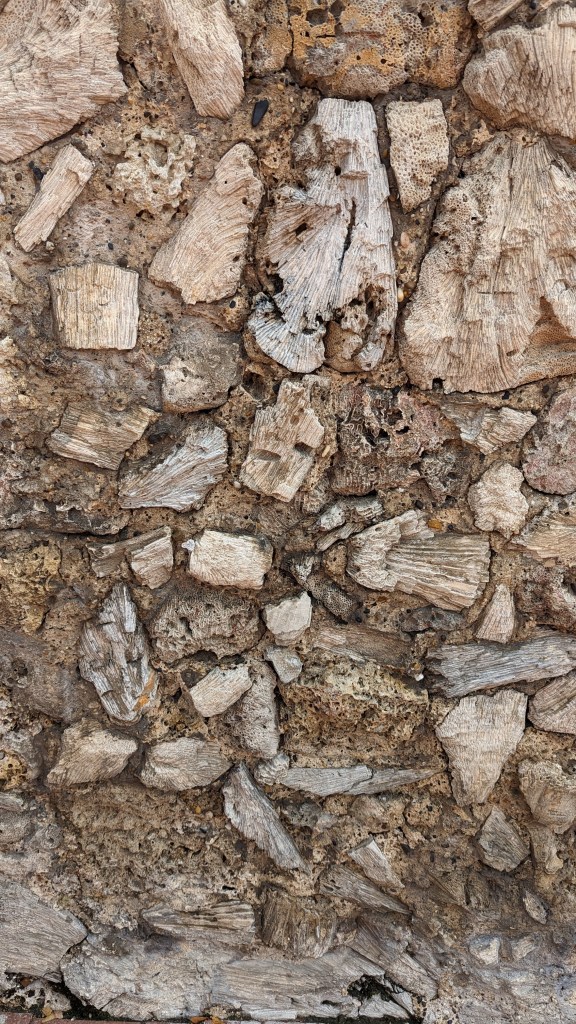
Old city walls are coral. 

And the people cordial

Cartagena is great in my judgment. 
XIX

The old town is very colorful. 

Cathedrals, churches, it’s cultural. 

We cruised the city bay, 

And danced the day away. 

The vendors are very commercial. 
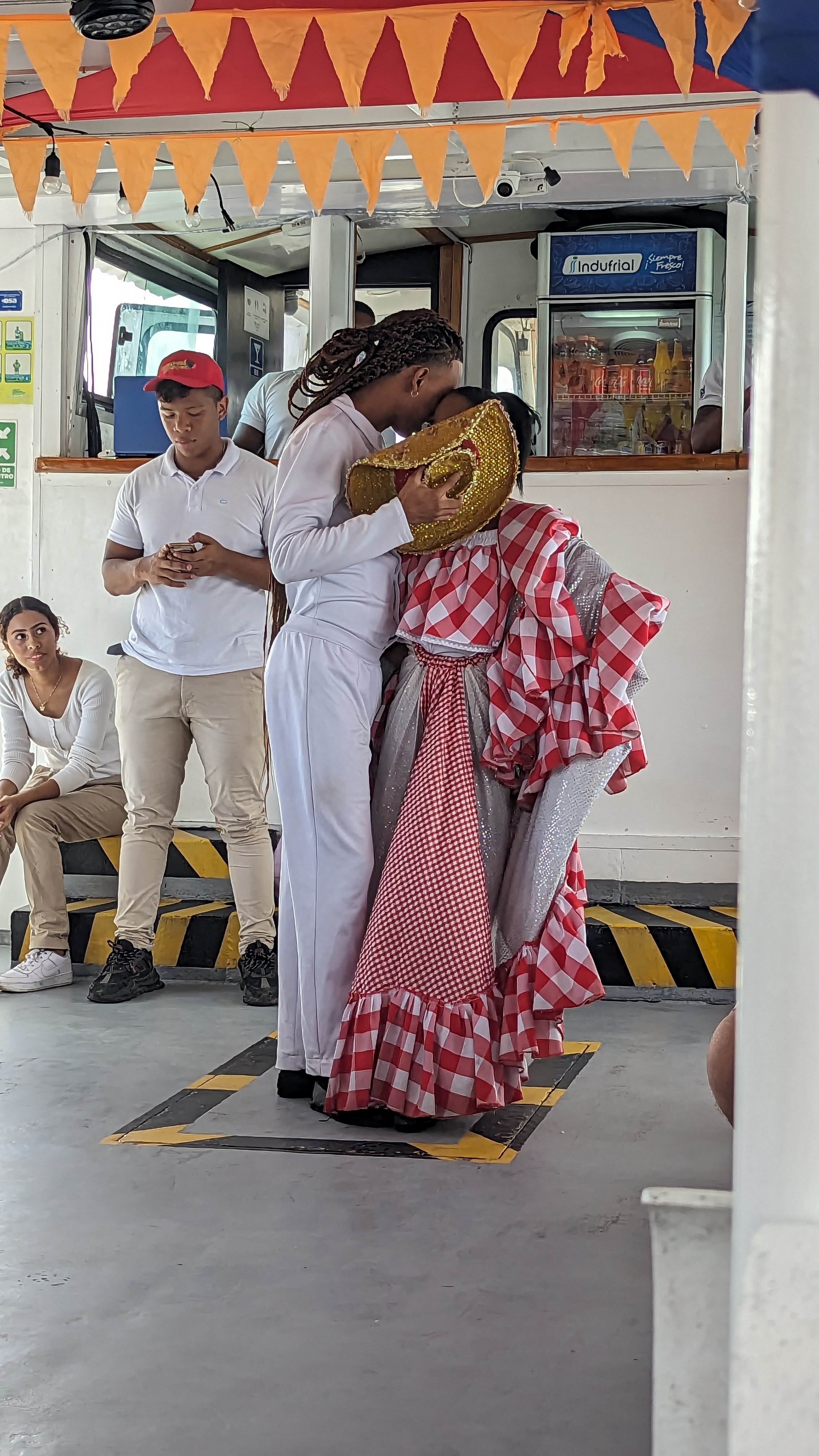
XX

For sale: rosaries, water and shirts, 

Women with fruit hats, colorful skirts. 

“No, thank you”  won’t matter, 

They don’t hear your chatter. 

Persistence, each vendor exerts.

XXI

Colon

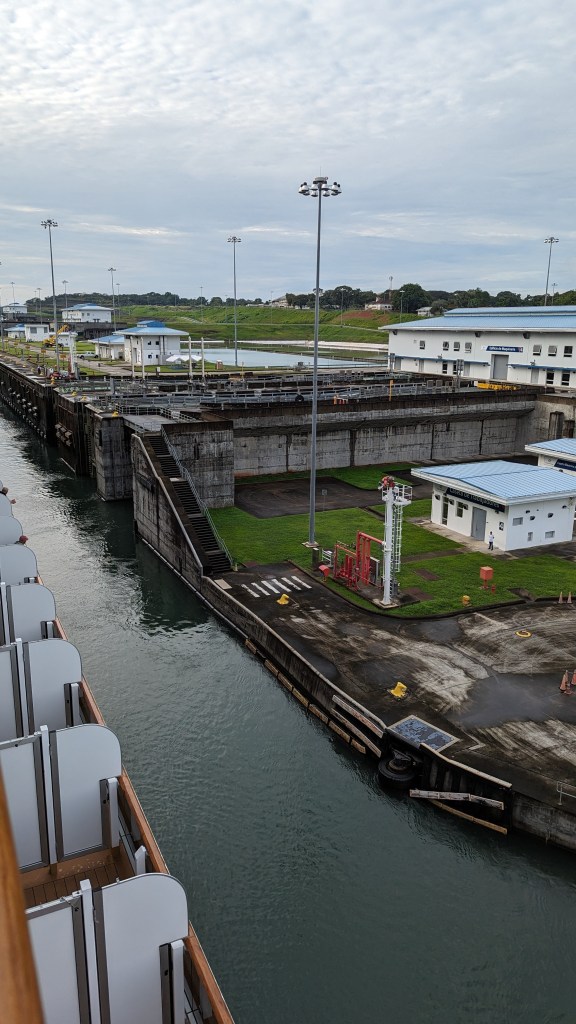
Panama Canal is not Venice. 

The water here is not a menace.

Three locks we take, 

Up to the lake. 

An engineering feat, in fairness. 
XXII

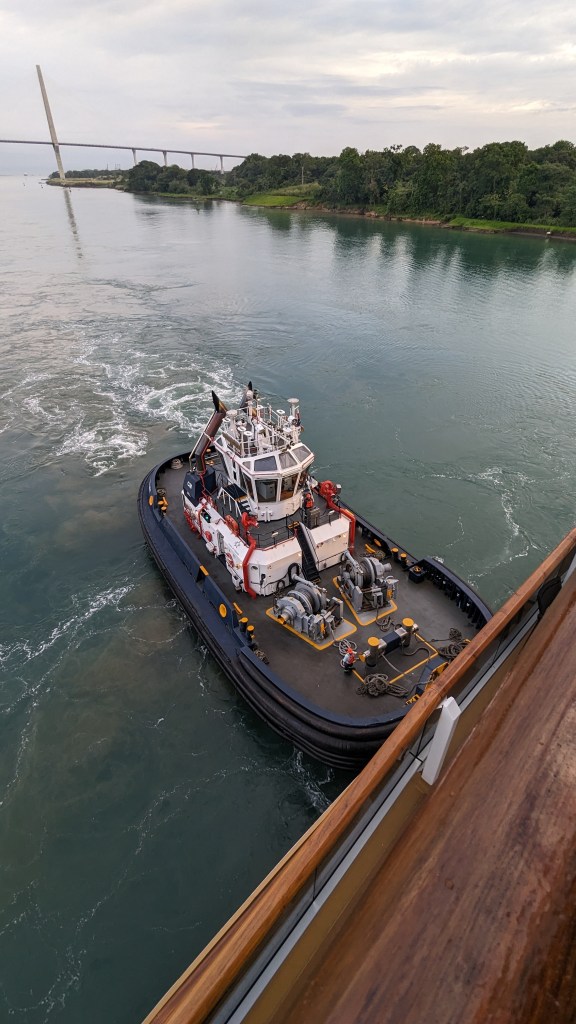
Twenty-six meters from ocean to lake. 

Carefully tugged with hardly a wake. 

Locks open and shut, 

Through the new cut. 

Two and a half hours the trip will take. 

XXIII

Once on the lake, we cruise around

Lush forests and jungles surround. 

We stay here awhile

In luxurious style

Turn about and we’re Atlantic bound. 

XXIV

To transit the Canal, it’s not free. 

Plan ahead, a date and time, the key. 

Just to hold a spot, 

In dollars, it’s a lot! 

35k is the reserve fee. 

XXV

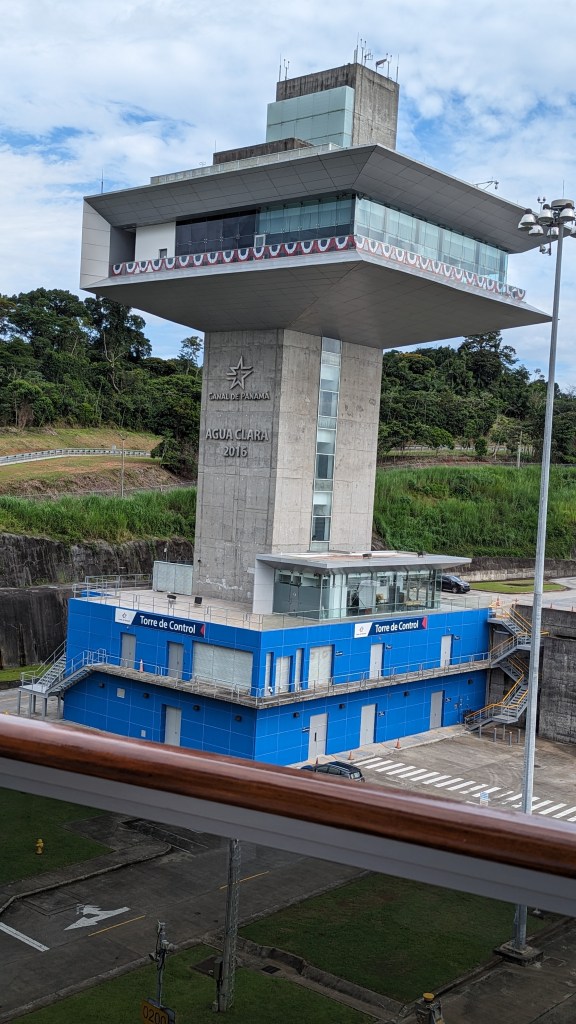
Back to Agua Clara locks we go. 

As before we will take it real slow. 

A big tug in the rear, 

And one in front to steer. 

I’m very glad we don’t have to row.

XXVI

Puerto Limon

Supply of bananas, coffee, ample. 

Exotic fruit here is pink pineapple. 

Where do you buy this fruit? 

It could cost lots of loot. 

Amazon can provide a sample. 
XXVII

The landscape is full of lush trees.

It’s warm, but thanks for the cool breeze.

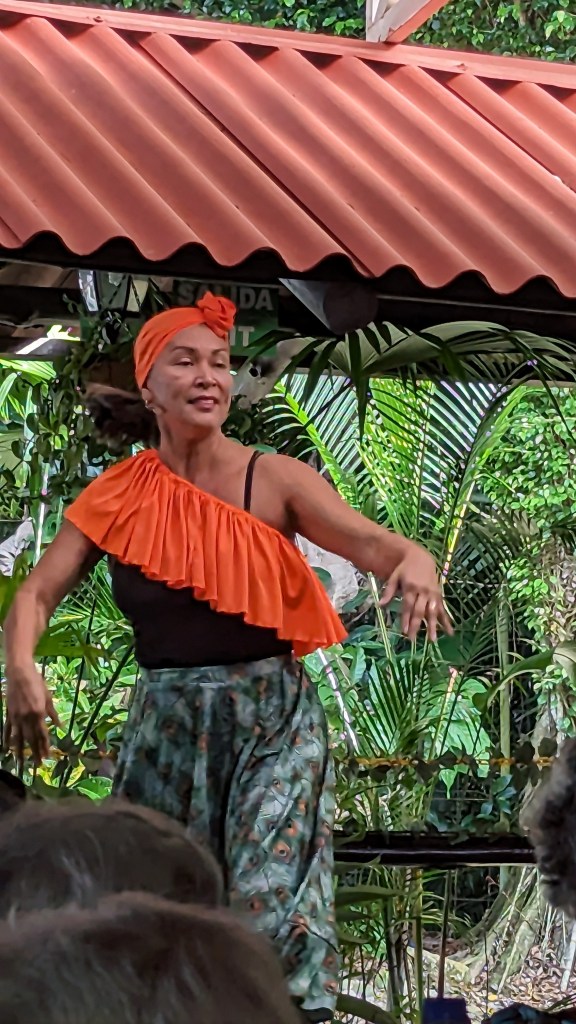
Here in Costa Rica

They say “Pura Vida”. 

It’s a common greeting if you please.

XXVIII

Montego Bay

We made a stop in Montego Bay.

Canceled the dolphins; still had to pay. 

Anne hurt her back;

She stayed in the sack. 

We’ll come back to swim another day.

XXIX

At Sea

A day at sea after Jamaica

To return to good ole Florida. 

This day we’ll dedicate

The time to celebrate

Anne, ‘fore we go to Aruba. 

XXX

Ft Lauderdale

After we returned to the shipyards. 

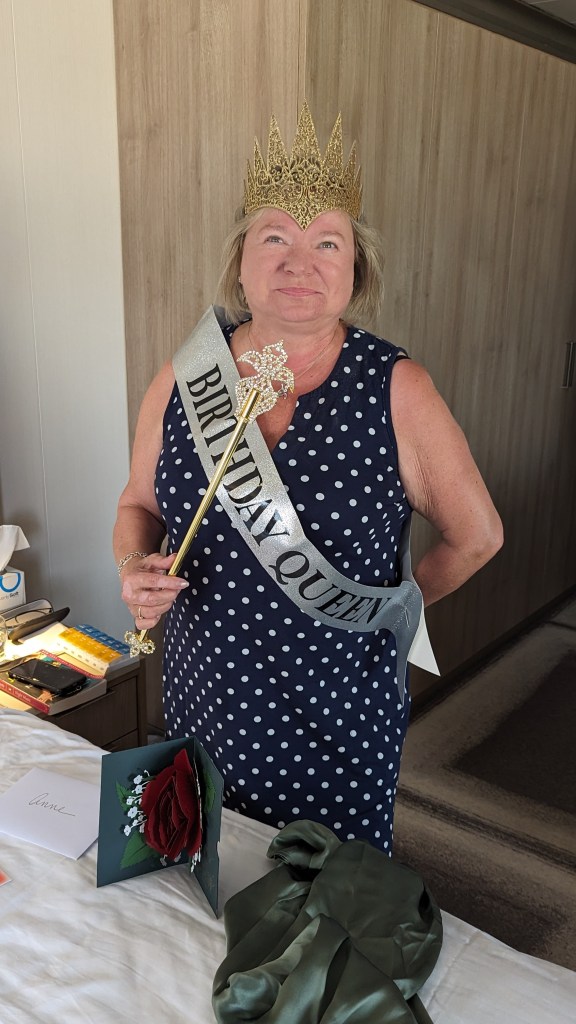
The birthday started with gifts and cards, 

Flowers for Queen Anne,

A little cash to play. 

Everyone else sent their best regards. 
XXXI

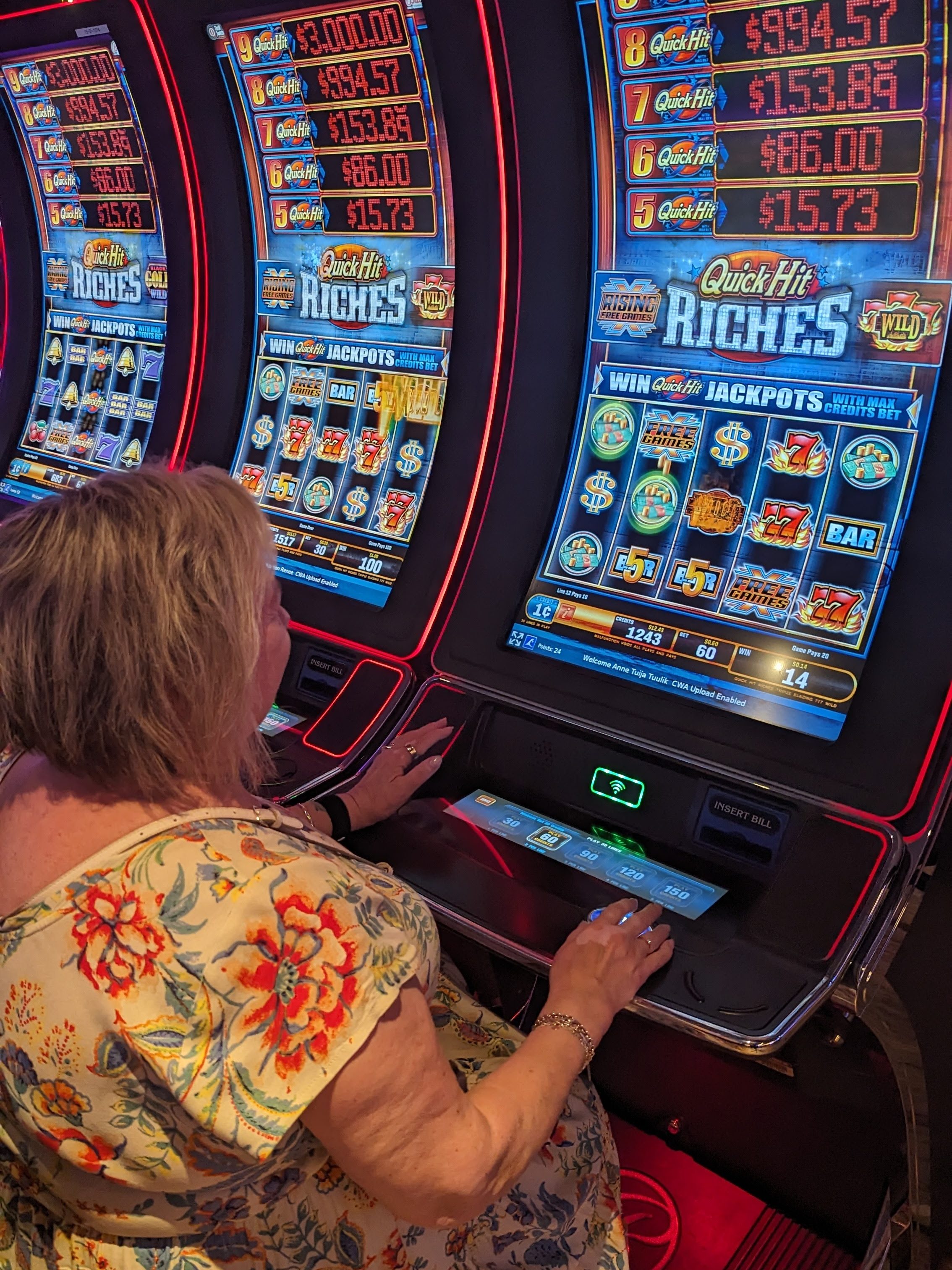
Post dinner we hit the casino. 

We had better odds than Reno. 

We played the magic slots, 

Winning like hotshots

Enough to buy a cappuccino.
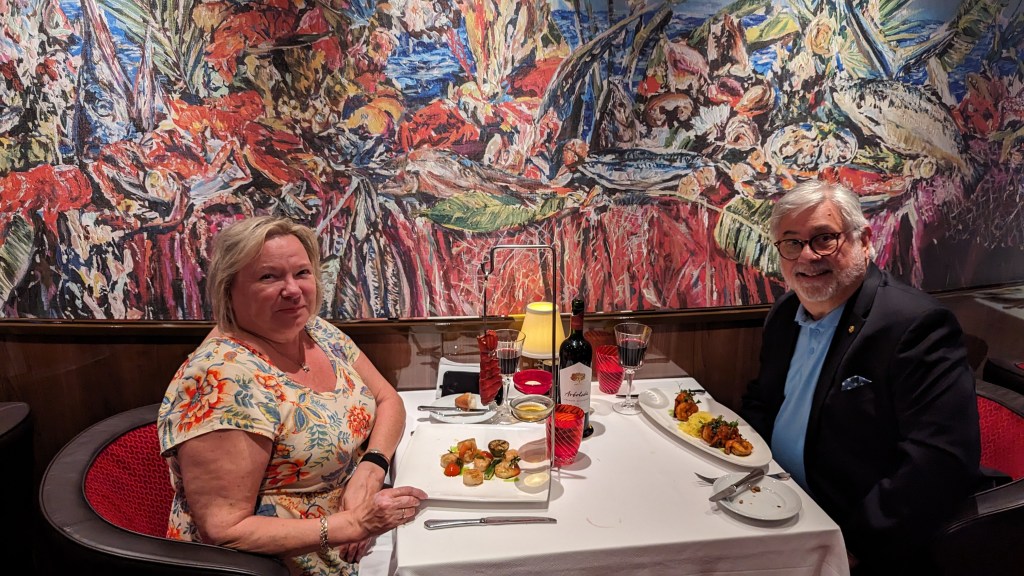
XXXII

Aruba

The crystal water is blue and green. 

I got that line from my birthday Queen. 

Tonight we have dinner;

It won’t make me thinner. 

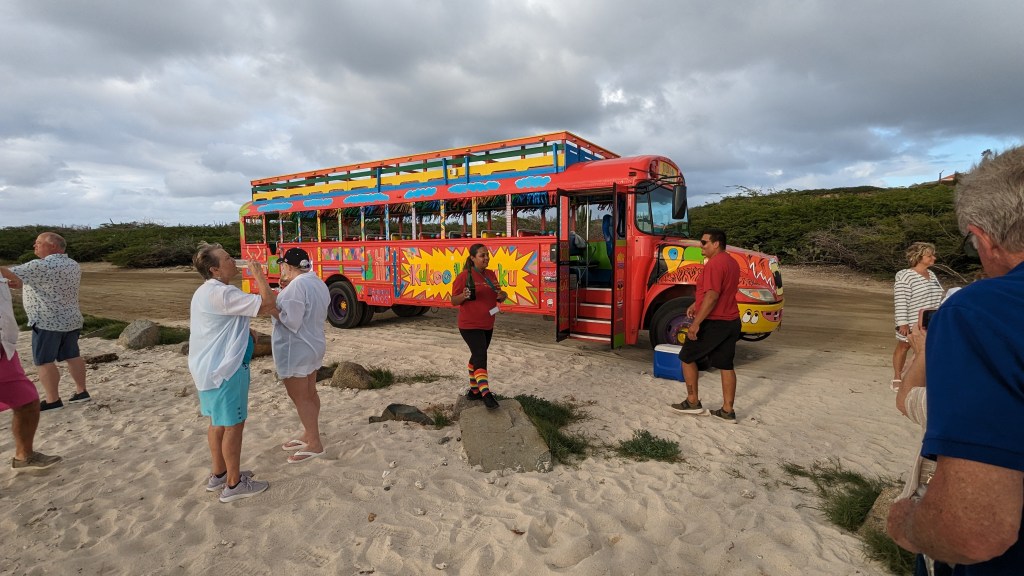
Kukoo Kunuku Dinner, the scene. 
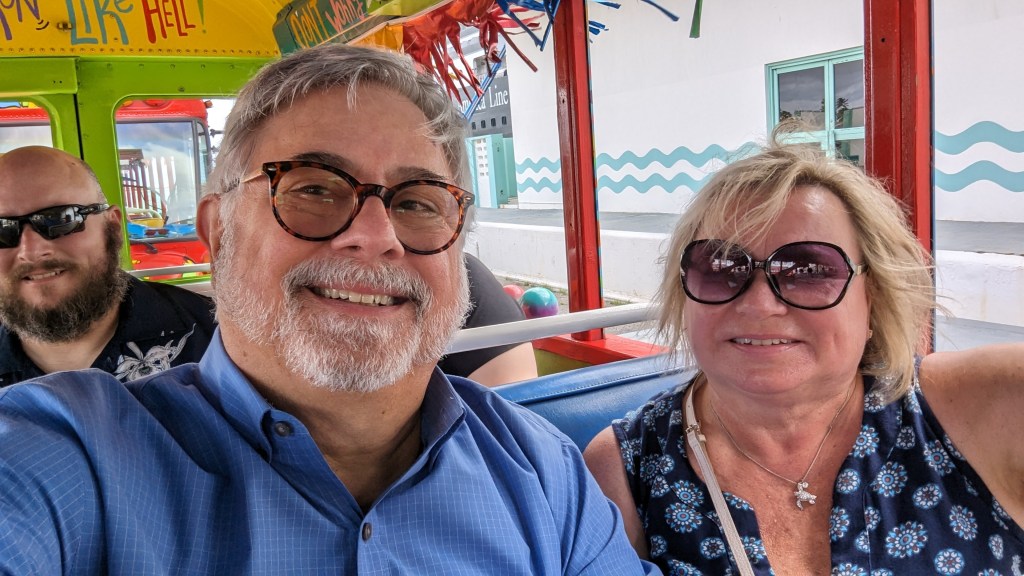
XXXIII

Aruba nightlife is not benign

The isle is colorful by design. 

We’ll walk a little bit. 

Then, gratefully, we’ll sit

For dinner and a glass of wine.

XXXIV

The Aruban dinner was super. 

Drinks after could’ve caused a stupor. 

The music was loud, 

So we left the crowd, 

And they called us the party pooper.

XXXV

Curaçao

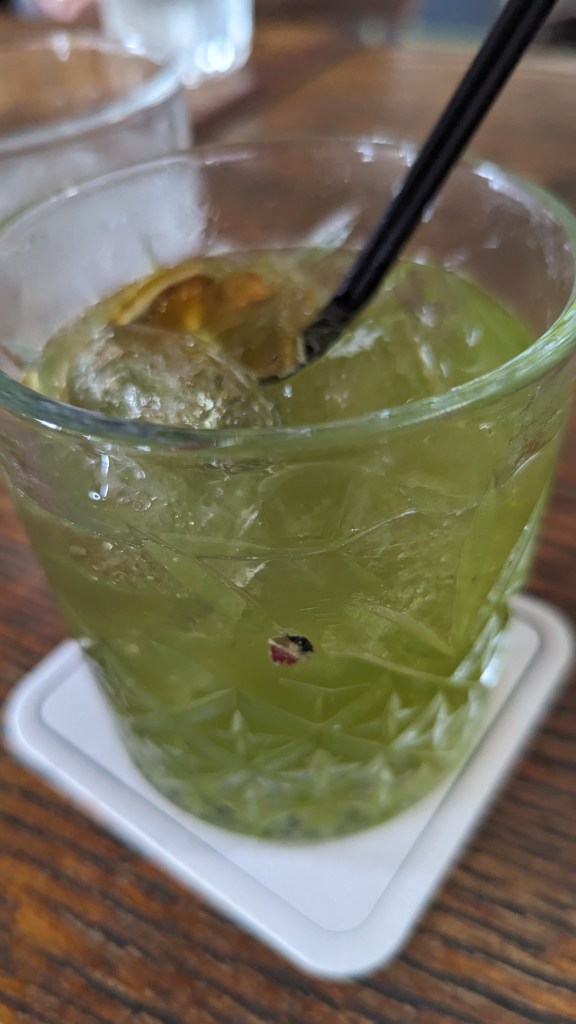
Signed up for a scenic cocktail tour. 

The Curaçao liquor was the lure. 

They were blue, green, and  pink, 

That’s three, not just one drink. 

On board, a gin & tonic, the cure. 
XXXVI

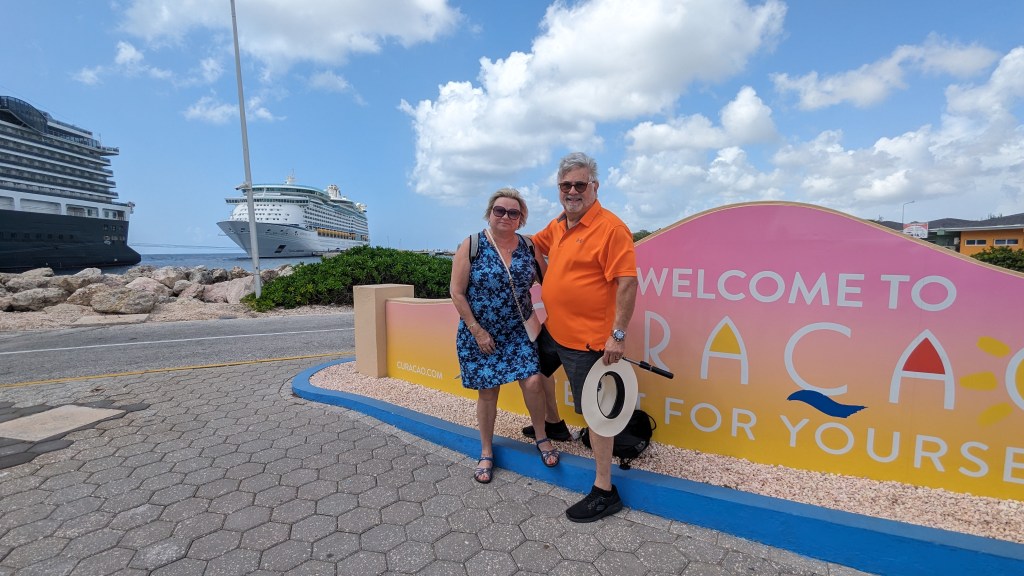
Another visit to Curaçao. 

Willemstad is colorful and wow. 

All the buildings were white. 

Ole Mayor said, “Too bright.” 

New law: only color they allow. 

XXXVII

Colorful buildings are very quaint. 

How did they come up with all the paint? 

The mayor’s mastery

Hid he owed the factory. 

So, it seems he wasn’t a saint. 
XXXVIII

The very curious word “Dushi” 

Conveys a certain pleasantry. 

It is very charming

To call your sweet darling

That word, but not your enemy.

XXXIX

At Sea

We are rounding Cuba once again. 

On our way home, Bahamas, and then

The Florida airport. 

We may need our passport

To board the Seattle plane. AMEN.

XL

FLL

At the airport, and we are camped out. 

We found a seat, more comfy, no doubt. 

Wait eight, fly for seven, 

With luck home at eleven. 

Finally, “HOME!”, I’m sure we will shout.
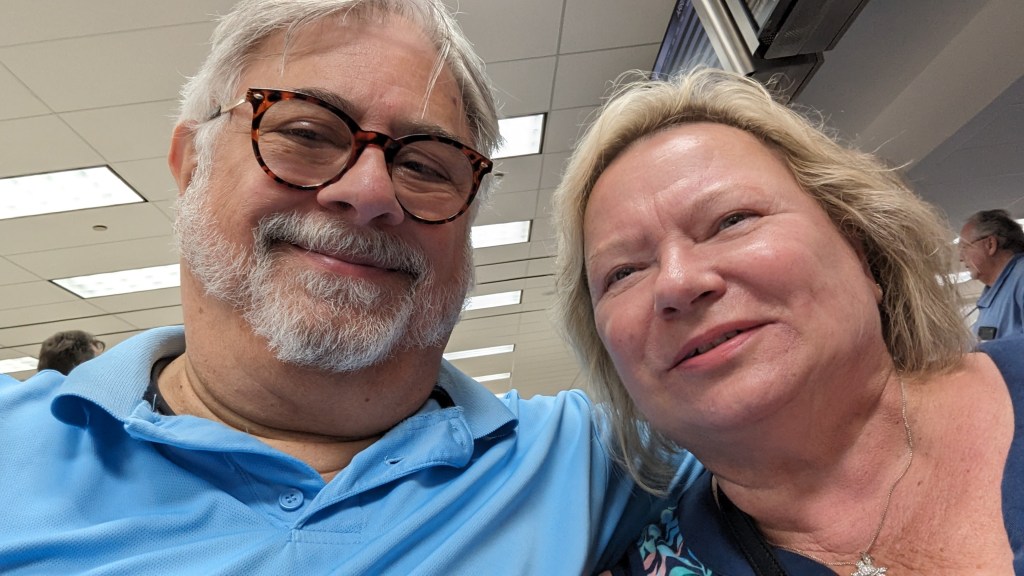
XLI

We are currently at the Sky Club

For a rest, charge, and a little grub. 

We’re waiting three hours, 

But this space is ours. 

Quieter than the terminal hubbub.

Zip-A-Dee-Doo-Dah

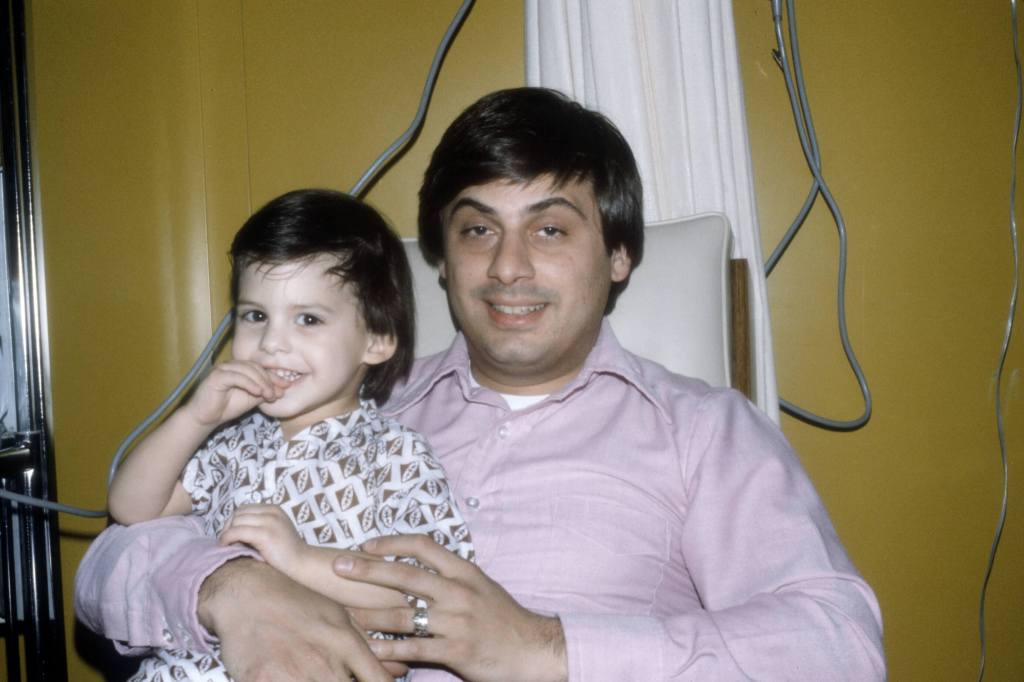
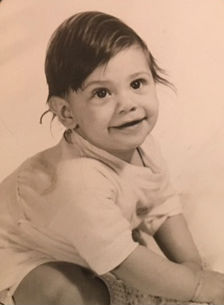
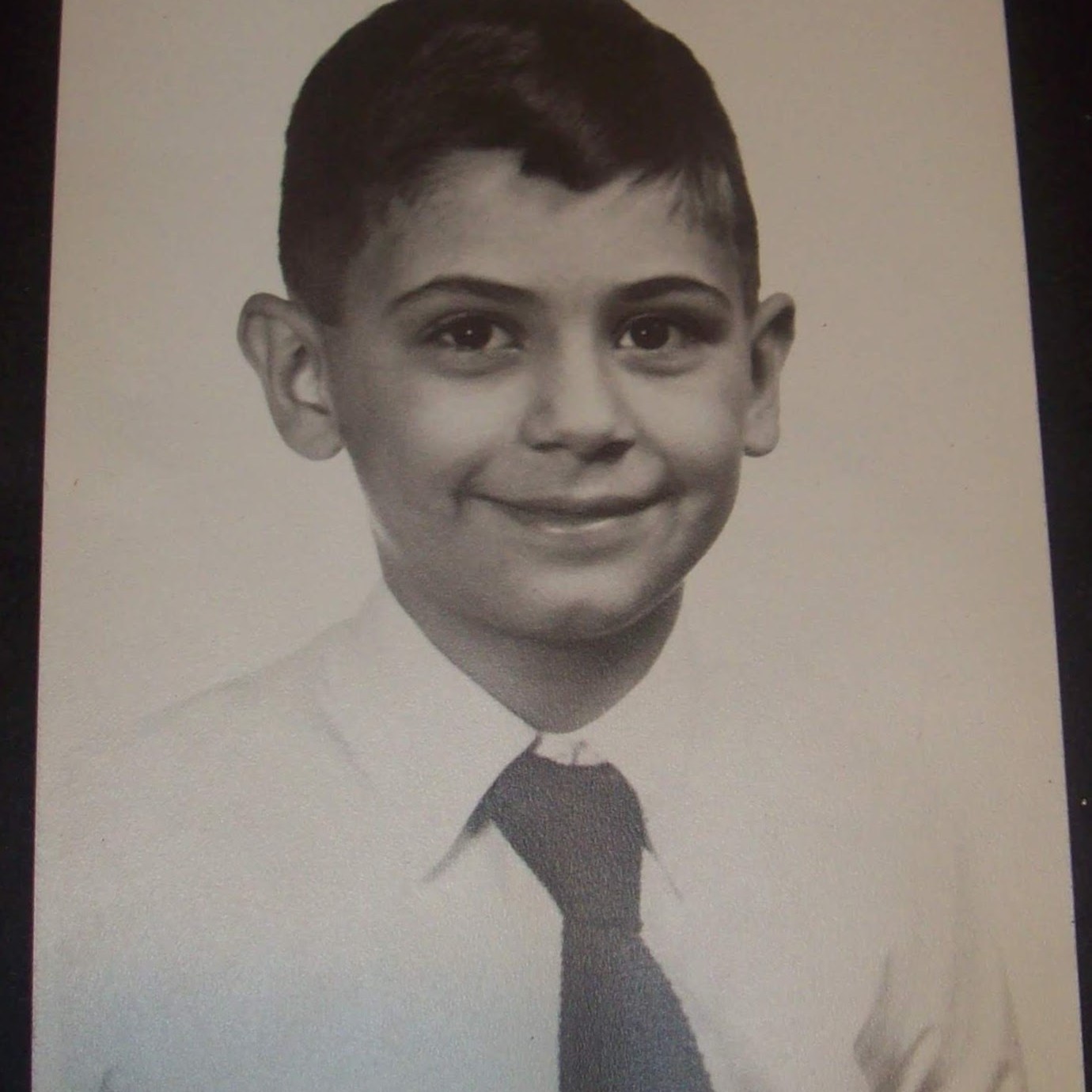
Can you tell from the images below who is sick? Actually, it’s the little boy in PJs.
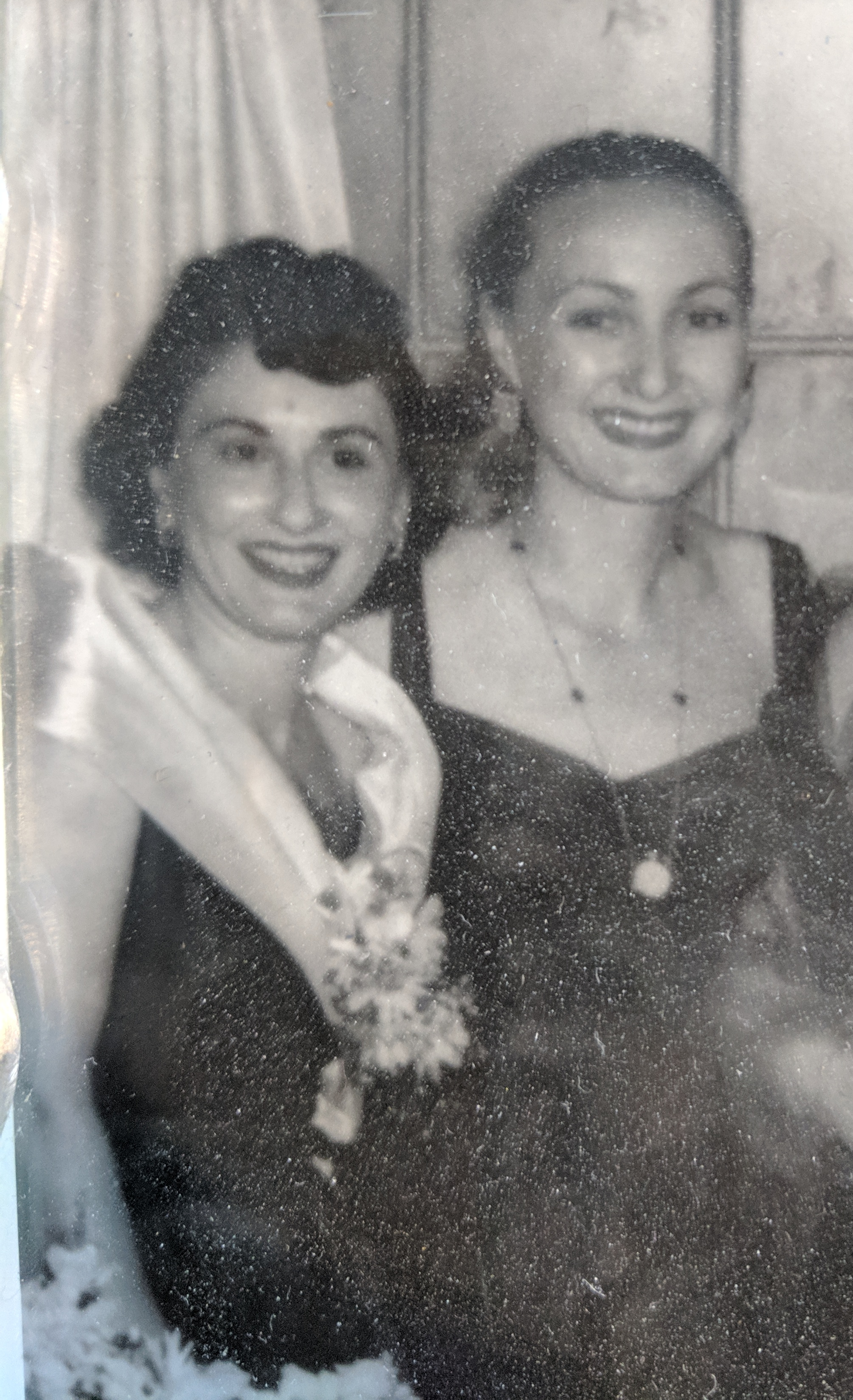
My three-year-old son Michael was admitted into the children’s ward at our local hospital late one December. To the best of my recollection, his symptoms were mysterious, and his pediatrician wanted to have him tested and observed. I remember his bed was a large crib with slatted sides and a Plexiglas bubble on top to prevent any escapes. It seemed appropriate for the little rascal.

As Christmas got closer, all the parents, who had children in the ward, were notified they could take their little kiddos home for the holiday, EXCEPT US. Michael had to stay in the hospital during Christmas. The doctors were uncertain about his condition and didn’t want him to leave the hospital. The staff of nurses was very kind and gave us the direct phone number to the pediatric nurse’s station, which was right outside Michael’s door. We were sad Michael had to stay in the hospital and maybe a little relieved we had a direct line to the nurses on duty.

For the holiday, we had scheduled family to come over for dinner, and it was too late to cancel or make other plans. So on Christmas Day, everyone showed up for dinner, but all we could think about was Michael. As the afternoon wore on, we decided to call the nurse’s station, and maybe we could speak to Michael. Maybe he would like to hear from his parents and grandparents.

So we called. There was no answer at the direct line to the nurses on duty. There must be something wrong. We gave it a few minutes and called again. Again, no answer! What gives! Who the heck is taking care of Michael, the ONLY child in the ward.

I’m unsure how many times we called, but the phone was finally answered. Trying to remain calm, I had to ask why the phone at the nurse’s station had been unanswered for so long. There was a simple answer.

One of the wonderful nurses heard Michael singing in his room and alone. Soon the whole staff was in Michael’s hospital room singing a song he had been singing solo:

Zip-a-dee-doo-dah, zip-a-dee-ay
My, oh, my, what a wonderful day
Plenty of sunshine headin’ my way
Zip-a-dee-doo-dah, zip-a-dee-ay!

Mister Bluebird’s on my shoulder
It’s the truth, it’s “actch’ll”
Everything is “satisfactch’ll”

Zip-a-dee-doo-dah, zip-a-dee-ay
Wonderful feeling, wonderful day!

As Michael led the nurses in this joyful song at the top of their lungs, it’s no wonder they did not hear the phone ring.

At the time, I’m not sure why Michael was in the hospital at all. After speaking to Michael now, over four decades later, he says he was in for pneumonia. Who knew?

(NMN) No Middle Name

I was named after my paternal grandfather, Pietro DiSantis. I was not born with a middle name, which was uncommon. Almost everyone I knew had a middle name, or so I thought. I guess I felt left out. So upon Confirmation, according to Catholic traditions, I got to choose a new name; I assumed the name David as my middle name. I chose David in honor of Davy Crockett, the King of the Wild Frontier. Davy Crockett was a popular Disney character who appeared in movies and on television. I used to sing his theme song all the time. My three-year-old sister, Janet, also tried to sing it, but it came out wrong. She sang, “Davy, Davy ChaCha.” Cute.

So why is this middle name important? I signed legal documents with it, and no one complained. I used my middle name all the time. My military records included my middle name. One employer used the middle initial in email addresses, but for some reason, they inserted an “X” instead of a “D.” So I petitioned for and obtained the “D” as my middle initial in my email address: Peter.D.DiSantis@xcompany.com.

Everything went smoothly from 1957 to 2001. After 9/11, many things changed, particularly air travel. Your identity and the documents to prove it became essential. As I was frequently traveling for business, I found it necessary to apply for TSA PreCheck. This U.S. Government system at airports would grant certain privileges to frequent flyers. One particularly important privilege was keeping your shoes on while walking through the metal detectors and not having to remove your laptop and other items from your carry-on bag. This convenience was greatly appreciated by all frequent travelers.

The TSA application process requires several forms of identification. I had an official copy of a birth certificate, a driver’s license, and a U.S. Passport. I had “my papers,” and I believed they were in order. However, before obtaining TSA PreCheck, I had to present my documents and answer a few questions at the TSA office. When the TSA officer reviewed my credentials, he rejected my application because my name did not match on all the documents. My Washington State Driver’s License included my middle name, whereas the other documents did not. Fortunately, rectifying the issue was simple—I needed to obtain a new license. I applied for a new Washington Driver’s License using my birth certificate as evidence, and a few weeks later, I received the updated license. I then scheduled another appointment with the TSA, and this time, all my papers were in order, leading to my acceptance into the TSA PreCheck program.

Since different branches of the government do not communicate effectively, I had to address my name change with the Veteran’s Administration. I attempted to work with the nearby VA Hospital and submitted an application to change my name, including copies of all my paperwork, which the TSA now approved of. However, I never received any response from the VA, and I was unsure how to follow up. It seemed that all that paperwork disappeared into a vast black hole. Years later, I received helpful advice on how to apply for a government name change, which involved using the same paperwork but a different application process. Thankfully, it was approved. However, the process wasn’t over yet. I had to inform the VA that the government had approved my name as Peter DiSantis, with no middle name (NMN).

Finally, everything has been resolved, and Peter DiSantis is at peace.

“That’s all I have to say about that.” ~ Forrest Gump

My Father, Tony

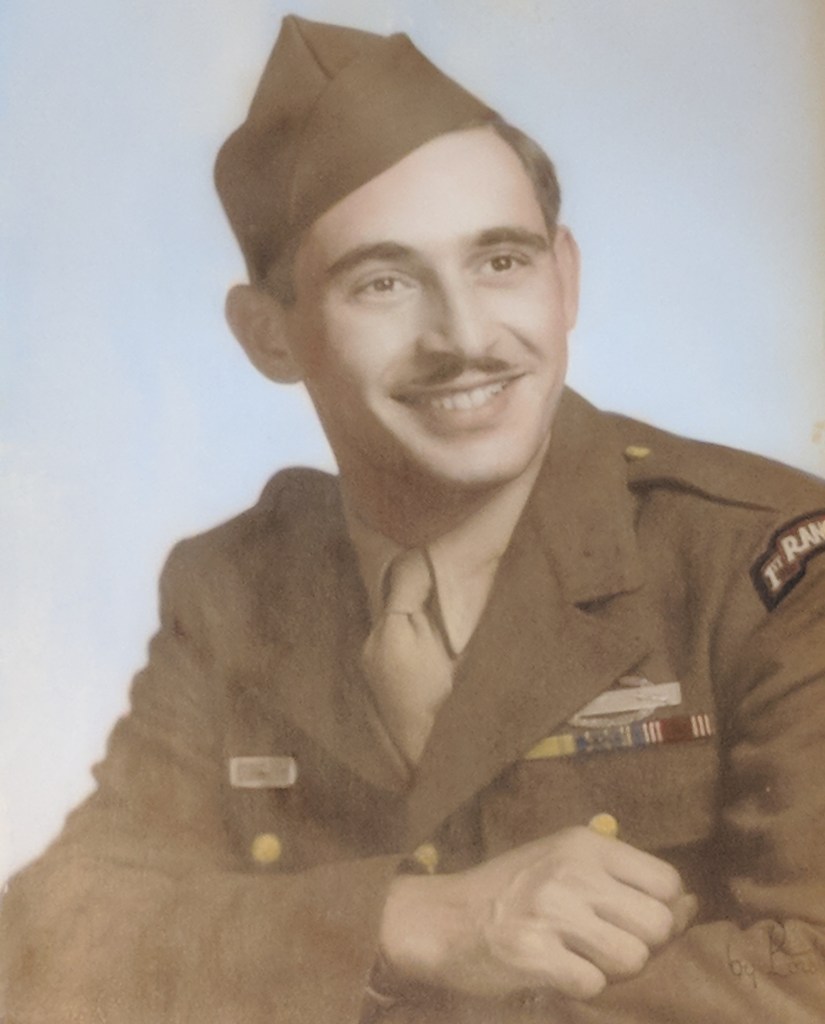
I am very proud of my father, who had the distinction of being one of the first U.S. Army Rangers. Darby’s Rangers hold a unique place in military history as an elite unit renowned for their exceptional skills and unwavering courage.

The Rangers

At the height of World War II, an extraordinary group of soldiers emerged known as Darby’s Rangers. Led by Lieutenant Colonel William O. Darby, this unit was unlike any other, characterized by their unparalleled determination and remarkable combat abilities.

Darby’s Rangers underwent rigorous training with the British Army Commandos in Scotland to hone their skills and prepare for the challenges that lay ahead. From mastering advanced combat techniques to developing exceptional marksmanship and survival skills, these soldiers exemplified the highest standards of military training. A 1958 movie, “Darby’s Rangers” starring James Garner, as LTC Darby depicted a brief history of the unit.

Throughout their distinguished service, Darby’s Rangers engaged in numerous combat missions that showcased their extraordinary capabilities. Notable missions, such as the assault on Cisterna during the Italian Campaign and the crucial role they played in the invasion of Anzio, demonstrated their prowess and tenacity in the face of adversity. Anzio was a brutal battle with many American casualties. My father said he was there after the beachhead had been established and not during the initial bloody invasion.

The legacy of the Rangers paved the way for the establishment of the modern U.S. Army Rangers, who continue to uphold the same values and traditions that defined Darby’s original unit. The legacy of Darby’s Rangers will forever remain a testament to the power of determination and courage.

My father attended Ranger Reunions every two years, often with my mother. The conventions were held around the country and were the highlight of Dad’s summer. Every two years, he would grow out his mustache as it was when he was with the unit. I remember taking a road trip to Milwaukee, WI sometime during the 1960s. We even toured a brewery (I was underage at the time). I also recall my mom and dad going to Des Moines, IA, Dallas, TX, and Washington, DC for Ranger reunions.

During the reunion, my dad would sit in the hotel lobby where the event took place and watch his old friends walk in the door. As the years went on, more men became aware of the reunions and attended whenever possible. In fact, for the last 20-30 years of his life, Dad wore a black beret with a Ranger patch, proudly advertising his association with the battalion. I don’t know how many men he recruited to attend the next biennial reunion, but I’m sure even one would have been plenty. My dad especially loved reconnecting with friends who he thought had been casualties at the reunion. It brought him great joy to see those old comrades again.

I have Dad’s black beret, his stiletto, and a book titled “Darby’s Rangers” by James Altieri. The book was published in 1945 and chronicles William O. Darby, the formation of the unit, its training, and operations during WWII. My dad is pictured once in the book and listed on the roster of the Ranger Force Headquarters. I remember this book has a cardboard cover, but my father had it proudly leather-bound.

Within the covers of this magazine-formatted book were some of my dad’s cherished Ranger mementos: old newspapers and clippings, his discharge papers, a Special Official Pass (to travel to Naples, and any other “off limit” areas), a color photograph of my dad and other members of the Northeast Chapter of the Ranger Battalion Association, a telephone roster of Northeast Chapter members, and an invitation from Warner Brothers Pictures to a “special screening” of “Darby’s Rangers” in New York City.

The Rangers were a significant part of my dad’s life.

Recently, while reading his discharge papers, I came across things I knew, forgot, and never knew. After U.S. Army Basic Training, Dad served 30 months as a Sergeant in the 1st and 4th Ranger Battalions in Africa, Sicily, and Italy. He was overseas for almost 16 months. He was awarded the Combat Infantry Badge, a Distinguished Unit Badge, with an Oak Leaf Cluster, a European – African – Middle Eastern Service Medal, and a Good Conduct Medal. His last 10 months of service were as a Private First-Class, Military Policeman. He was honorably discharged after 3 years, 8 months, and 11 days from Fort Monmouth, N.J.

Working With Dad

I might have been 10 years old when I first went to work with him. We left our apartment in The Bronx, and walked to the newsstand, where he tossed a nickel and grabbed a New York Daily News. Then we went to the diner on Fordham Road for a fried egg sandwich on a hard roll. My eggs were scrambled. Afterward, we waited for his boss to pick us up for the hour’s drive north to Westchester County.

We didn’t have a car at the time. However, I remember he drove a panel truck for work and brought it home one weekend. He received a ticket because he parked the commercial vehicle on the street outside our apartment. So hitching a ride with his boss was how Dad commuted to work for many years until he purchased a green 1957 Pontiac Chieftain.

While he was employed in Westchester, he worked for a dry cleaner. He was proficient in all the tasks at the shop: taking clothes at the front counter (the only area where I was helpful), cleaning the clothes in the toxic solution at the time, removing spots if necessary, and pressing the clothes. However, Dad spent approximately half of his day preparing orders for delivery, which included bagging the orders in a plastic bag and loading the panel van, and delivering them,

From the first time I accompanied him to work, he imparted to me the importance of organization. You could say this is where the seeds were planted for my career in small package delivery. I learned the art of organizing the pre-work so that the actual tasks would proceed more smoothly. Additionally, I gained knowledge about the sequential loading of the truck and arranging the customer’s stops in the most efficient order to minimize time and distance. Dad excelled in customer service. He knew the preferred delivery locations for customers who were not home, such as the front door, back door, garage, breezeway, and so on.

Dad taught me the value of quality. Whether it was assisting Uncle Teddy in building my grandparents’ house in Hopatcong, NJ, or playing cards with my uncles, he consistently demonstrated the proper way to accomplish tasks. This laid the foundation for my future career as an Industrial Engineer. It is often said that women build relationships face-to-face, while men build relationships shoulder-to-shoulder. In my case, I understand the truth in this statement. My most cherished memories of my Dad are working alongside him. Two particular instances come to mind: breaking up a 300-square-foot concrete patio in Hopatcong and laying a vinyl tile kitchen floor in their Yonkers home.

Our Name

Another significant lesson I learned from my father was how to spell our last name. He always said, “It’s D-I capital S.” I didn’t realize until many years later that my father had a unique spelling. His family was large, consisting of six sisters and two brothers. I’m unsure how my aunts spelled their maiden names, but my uncles Angelo and Ralph, along with all their children, spell their names as “DeSantis.” D-E! Where did that come from? I never asked Angelo or Ralph. D-E is very common, whereas D-I is not. When we acquired our first telephone in 1961, The Bronx phone book contained pages and pages of DeSantis listings and only one DiSantis entry, which was my Mom and Dad.

But why D-E? I have some clues. It seems to have originated from a clerical error in my grandfather’s U.S. Naturalization papers. The typewritten document stated “Pietro Santis,” and the “De” was handwritten above and between the first and last name. However, my grandfather signed the paper as D-I. Additionally, I possess a copy of an Ellis Island manifest that my grandfather signed as DiSantis when he entered the country. I also have a photograph of him standing in front of his grocery store with his name, “Pietro DiSantis,” in gold letters, above his head, on the plate glass window. (As soon as I find that picture, I will post it.)

DiSantis or Di Santis? No space or space. That is a recent issue propagated by technology. Some apps and systems will not allow a capital “D”, a small “I” and a capital “S”, with no space between the “I” and the “S”. The resulting output is Disantis, with no capital “S”, which is incorrect. Therefore the only way to spell our name correctly would be to add the space.

The Christmas Fire

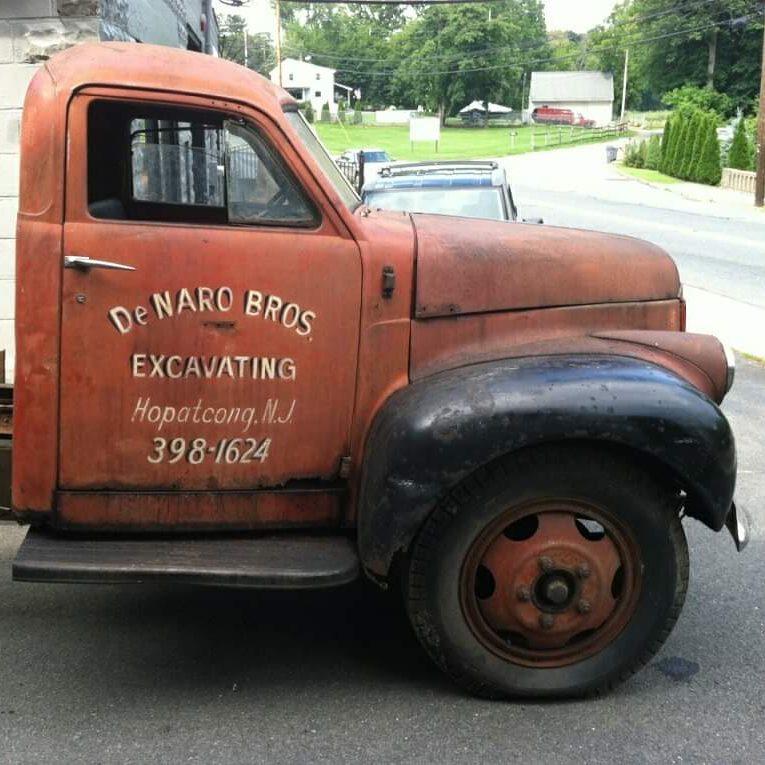
The cab and engine compartment of the infamous truck

My Mother’s brother Teddy built a house with lots of help from family for my grandmother, Jennie, and grandfather, Stephen in Hopatcong, New Jersey. The house was a great gathering place for the family when it was completed. It was also difficult to get to before Interstate 80 was finished. Being a youngster, it took forever, maybe 90 minutes or longer especially on holiday weekends. Until that time, U.S. Route 46 was the main road off the George Washington Bridge to the Lake Hopatcong area. It went through every small Jersey town west of the bridge, with traffic lights and traffic circles. It was a long haul. Then began the back roads around the lake.

After winding your way around the lake, on your right, there was a small park and beach, The Crescent Cove Beach Club now. Soon began your ascent. The road up the hill had a trajectory NASA would appreciate. My Uncle Teddy wanted a house on the top of the hill and so we floored it. That first hill and the rest of the road up Dupont Avenue were another difficulty to get to Grandma’s house.

Now imagine all that in the winter, IN THE SNOW! They were hearty souls who traveled to Grandma’s in those days. Since the community around Hopatcong and especially up Dupont was a summer community, there were very few permanent residents. So in the winter, the snow was plowed by the city of Hopatcong up to Grandma’s and no further. There was a HUGE wall of snow at the end of Grandma’s driveway.

Christmas Eve, don’t ask me when, probably in the early (19)60’s my mom, dad, and sister made the trek to Hopatcong and stopped when we met the wall of snow. And soon fresh snow began to fall again.

Luckily, Uncle Teddy had a contract to plow the smaller streets in the town. He had a small dump truck (featured above) and a snowplow and had some extra work each winter. He asked if I wanted to ride with him that Christmas Eve night and I was excited to be his shotgun. We were out for an hour or so, (who knows, I was just a kid) when I noticed a strange red glow in the snow bank on the right side of the truck. And it was following us. It stopped when we did and moved forward when we did. I told Uncle Teddy about it and he stopped the truck. We got out to inspect where the red glow was coming from. The outside of the truck looked fine, but beyond the right front wheel, under the fender, the engine was on fire. Holy smokes!

Gratefully, there was plenty of water in the frozen form and we were throwing snow at the blaze until it went out. We probably smothered it rather than douse it. Anyway, it went out. How exciting!! Uncle Teddy decided then we would go directly home and the job for shotgun was to watch out for any more red glows. What an exciting Christmas!!

BEST 2022 VACATION EVER

As of September 2022

Paris

I

The first leg of the trip was a breeze.

To Paris, Delta handled it with ease.

The front cabin is best;

To hell with the rest!

With all the drinks that you please.

Barcelona

II

The next leg brought us to Spain.

Finding our driver was a bit of a pain.

Luggage loaded, he drove to hotel.

For a Spaniard, he drove pretty well.

But for parking, he made his own lane.

III

Checked in and back on our feet.

We walked to find something to eat.

The Gothic Quarter is old.

A good place we were told,

And found a tapas bar with a seat.

IV

We finally took showers,

To bed after 26 hours.

Slept soundly for ten,

Like a bear in its den.

And our rhythm is now off-hours.

V

There once was a small woman from Spain,

Who led tours through Roman remains.

Streets, buildings, and stories were old,

About saints and kings, we were told,

And everything she said, she explained.

VI

A few friends from afar did we meet.

Three Finns in this town. What a treat!

We sat for a toast.

The view was the most.

But especially, the reunion was sweet.

VII

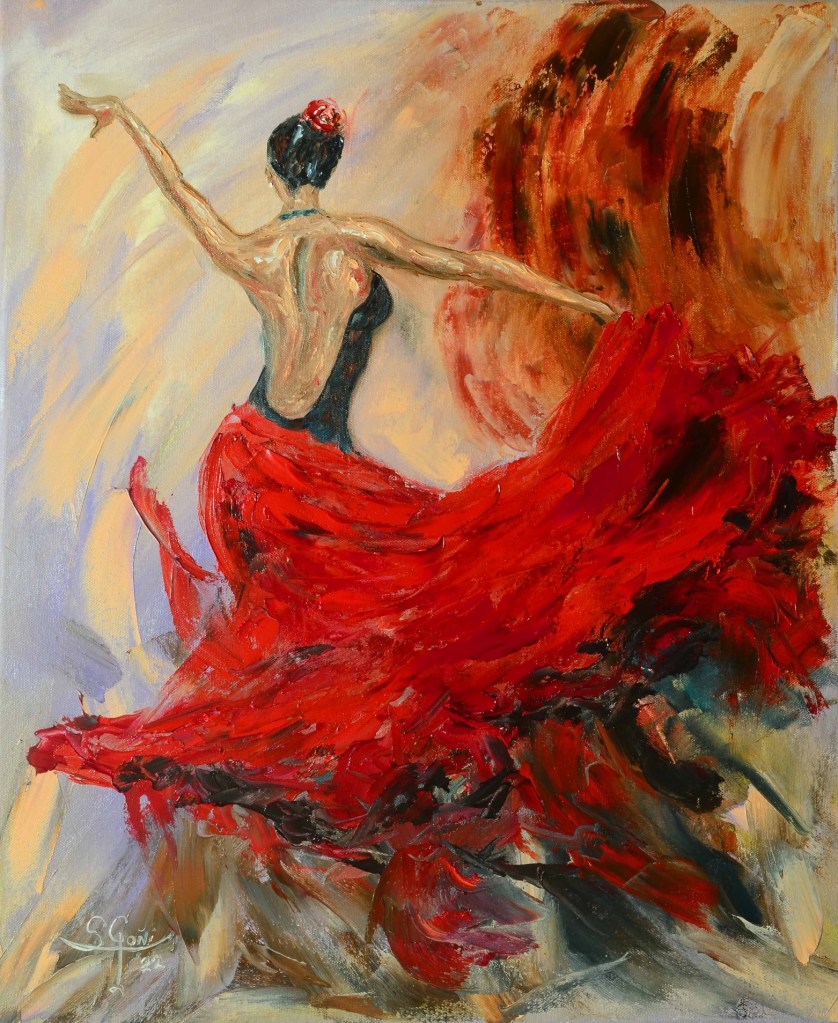
Clap, stomp, and tap is a great dance.

Is it anger, is it romance?

Guitars and dancers on fire,

We had dinner prior.

Flamengo is more than a prance.

VIII

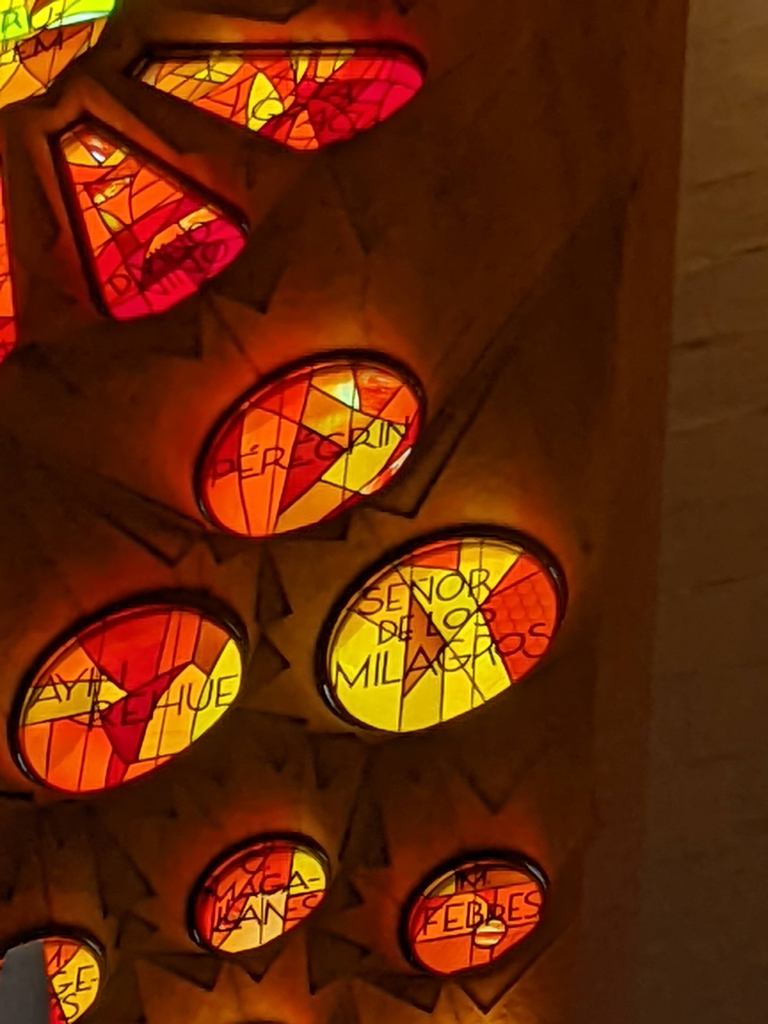
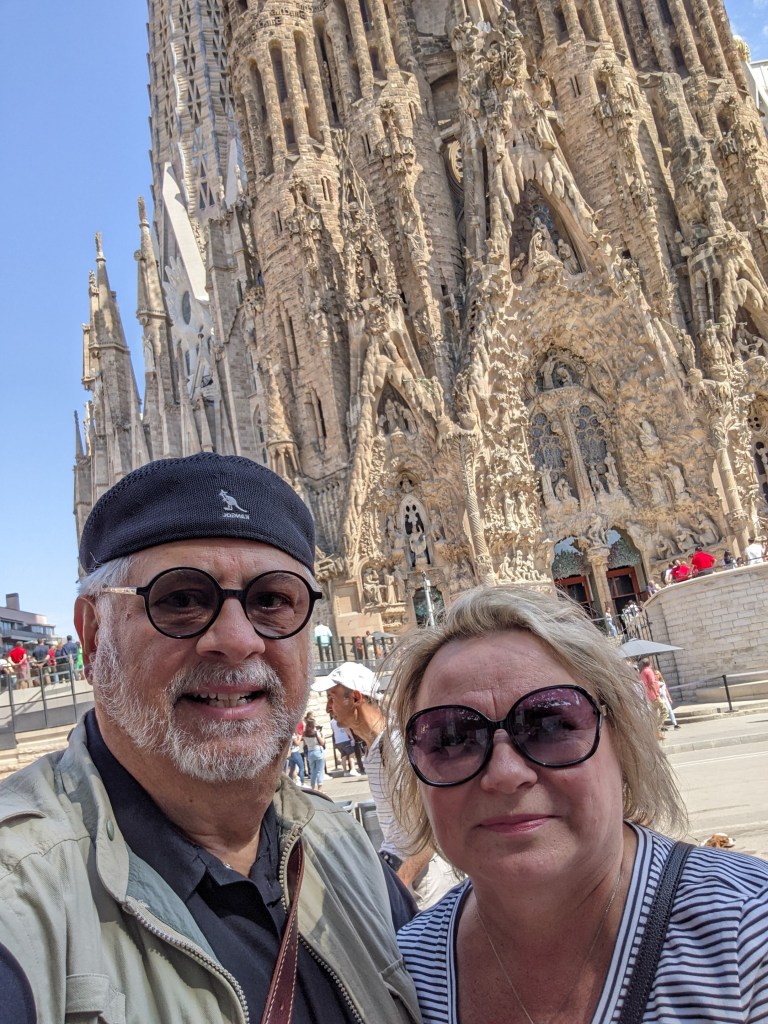
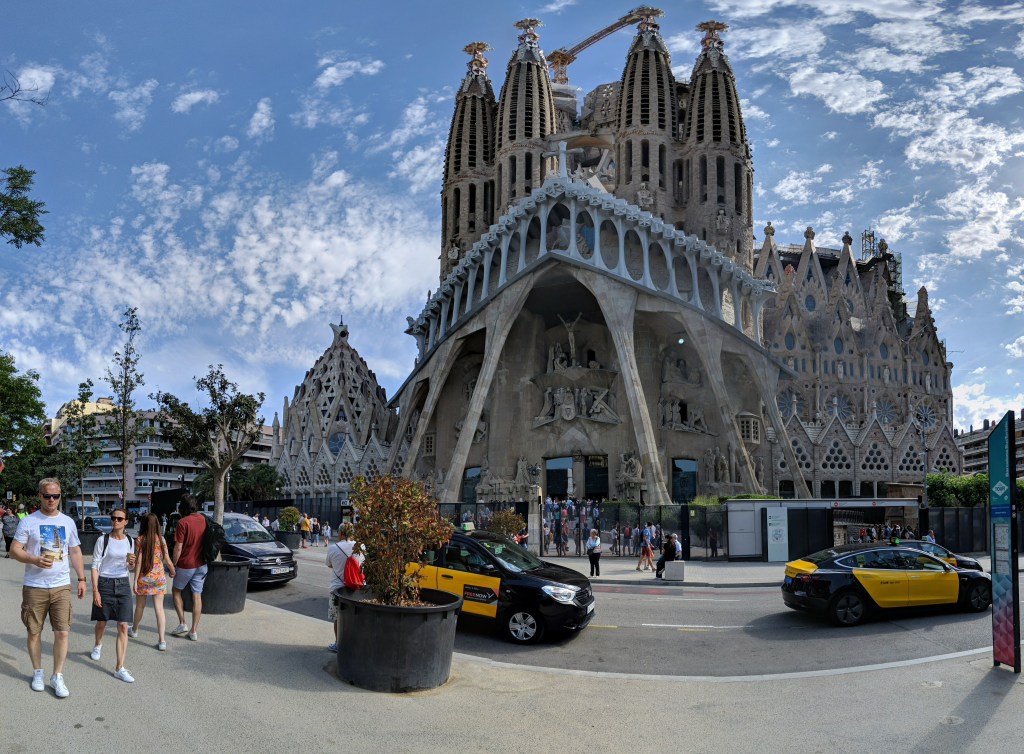
This glorious church was amazing.

Every inch you cannot stop gazing.

Either inside or out,

You surely don’t doubt,

For the life of Christ, it is praising.

IX

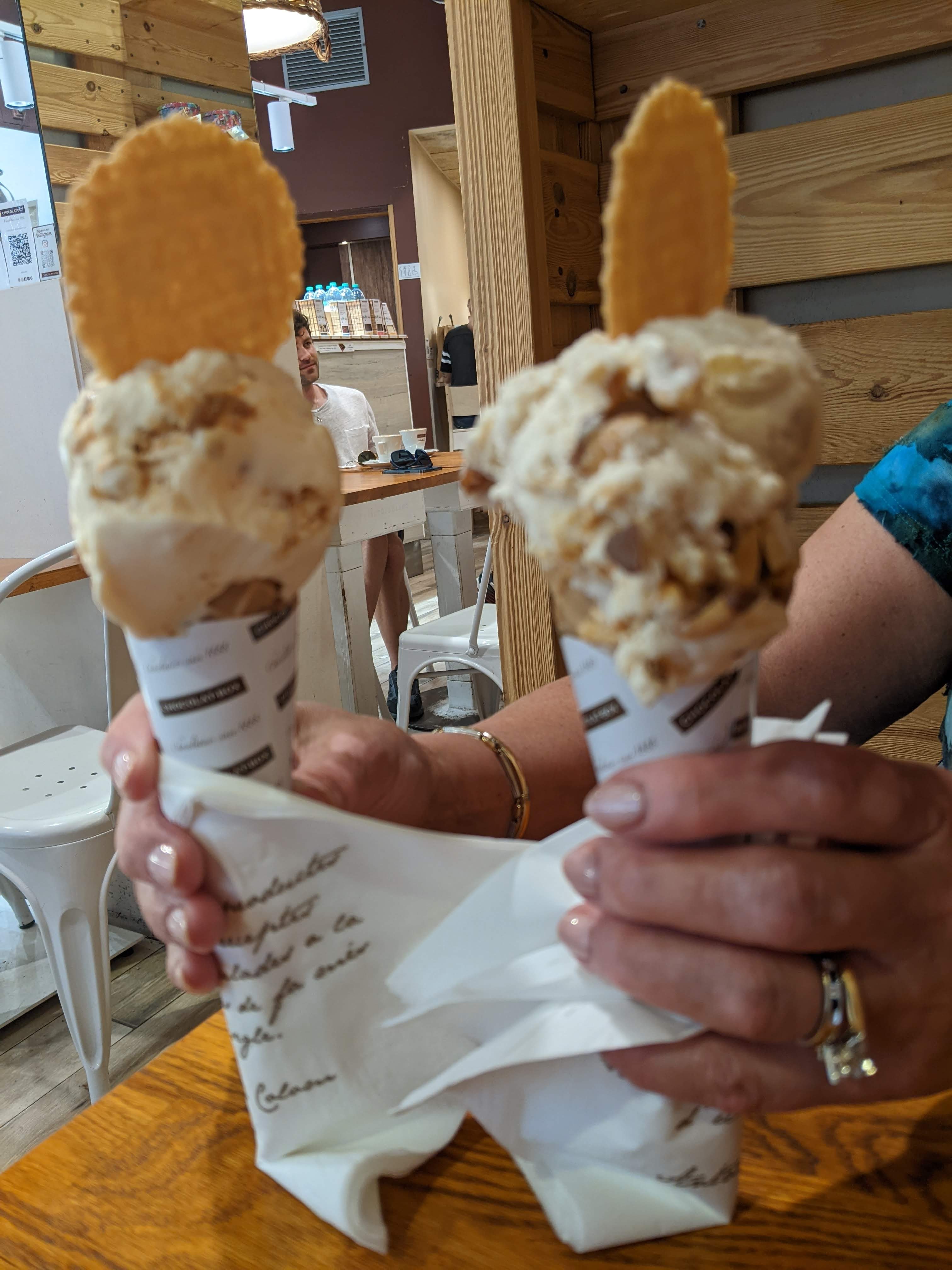
Our dinner was not so extreme.

It was a delight, it would seem.

A single scoop for you,

And I’ll do the same, too.

What’s better than an ice cream.

X

The market was colorful and fragrant,

All the foods were in its best arrangement.

Candy, fresh fish, or quick treats,

A great selection of meats.

For a snack, a full meal, or refreshment.

XI

We leave Barcelona sadly.

There is a lot we missed frankly.

We’ll have to go back,

For another crack.

I’m missing paella badly.

The Med Cruise

XII

We’re on our way to the Med Sea.

A great voyage it’s bound to be.

We’re going first to Marseille,

We’ll be there only a day.

Then we’ll be in Nice on day three.

XIII

As you can see the Retreat

Is the best. It’s really sweet.

Nothing was unpleasant,

With our own attendant.

A place to get off our feet.

Marseille

XIV

In Marseille, we spent four hours.

Basilica had two towers.

I loved the restaurants along the rue.

By the marina, they had a grand view,

Of all the out-of-towners.

Nice

XV

To get ashore we took a tender,

To Nice to enjoy Provence splendor.

We missed the F1 race by a week,

And the Casino which would be chic.

Don’t be a Monte Carlo spender

XVI

Ez-e was an easy stop,

Coffee and quiche at a shop.

Escaping the rain was the plan.

What else can you do then, man?

Back to the ship was a short hop.

Lucca

XVII

Puccini was born in Lucca.

He smoked cigars, not from Cuba.

One hundred churches if you believe,

And one public W.C. for relief.

Again a stop for a cuppa.

Pisa

XVIII

Oh my, that building does lean.

And the Pisa crowds extreme.

After a quake,

It did not break.

But, fix for 500 years the scheme.

Tarquinna

XIX

No Rome, but Tarquinna instead,

Where Etruscans buried their dead.

In a tomb underground,

Under a mound,

They were laid on a wooden bed.

Pompeii

XX

Pompeii is a total ruin. 

Partial buildings, not one human.

600 shops sold lots of wine,

But destroyed in seventy-nine.

The eruption was no illusion

Taormina

XXI

In Sicily, everyone looks related to me.

Maybe a distant cousin, the he or the she.

Toured Catania and Aci Castello.

We sat in a cafe for limoncello.

Then we left Taormina, Sicily by the sea.

At Sea

XXII

Today at sea was very exciting indeed.

Rescued sailboat, capacity it did exceed.

Italian Coast Guard picked them all up. 

Were there a dozen refugees? Yup! E

Emergency over, we’re allowed to proceed.

XXIII

Being at sea is not a total loss.

We tasted some wines without any flaws.

They served wines from the Northwest,

Which we believe are the best.

But we like them no matter, just because.

Corfu

XXIV

We toured the winery in Corfu.

Of large Greek islands, there are a few.

We got a cookbook and demo for bread,

A zucchini bake, and tzatziki spread.

Besides wine, they made olive oil, too.

XXV

They baked Corfu bread with their red wine.

The special ingredient, divine!

The water they did not trust.

Iron it will always rust.

Anne’s rye bread she thinks she’ll redesign.

At Sea

XXVI

A relaxing day at the cabana. 

We had a lunch then shared a banana.

We are killing some time,

While I work on this rhyme,

And there’s no time to smoke my Havana.

Dubrovnik

XXVII

At night we went to Dubrovnik.

From the port, the ride was darn quick.

Medieval was the old town,

For Game of Thrones, it is renown. 

Azur Restaurant the tour guide did pick.

Kotor

XXVIII

Kotor in Montenegro was a bust. 

Winds were too high; our safety was a must.

No tenders to take us all ashore.

No way to disembark or explore.

The Captain nixed our plans. We did adjust.

At Sea

XXIX

Today at sea, tomorrow Trieste. 

This Med cruise has been the very best.

To Venice, we take private transport,

Because we couldn’t dock at their port.

We had plenty of food, drink, and rest.

XXX

The task now is to pack,

The suitcase and the sack.

But will everything fit;

Upon it, I will sit.

Now upstairs to snack.

XXXI

Dinner and a show then went to Casino.

Big win, order brandy, server Filipino.

For me, it’s the best it’s ever been.

Up 300, cashed out with a grin.

Maybe next time I’ll try my luck in Reno.

XXXII

Now just because the cruise is over, 

Doesn’t mean I’m a rhyming loafer. 

I’ll keep going as long as I can.  

This is creative and that’s the plan.

At day’s end, it gives me some closure.

Venice

XXXIII

Venice is a mess, it’s full of water.

The place is flooded in every quarter.

Deliveries are tough.

How do they get their stuff?

Presently by aqua transporter.

XXXIV

Saint Mark’s Square ain’t. 

The scene is quaint.

Lots of shops,

And crop tops.

Respect the Saint.

XXXV

When in Venice do the gondola. 

We took the plunge so, mea culpa.

It was like a dream,

On a cloud marine.

A romantic boat ride ultra.

XXXVI

When you come to Venice pack lite.

Otherwise, your luggage you’ll fight. 

You’ll drag your stuff all over town,

In the end, you will be run down.

Heed my words. I’m bound to be right.

XXXVII

Here they invented the Bellini.

Eventually, we drank three.

Here at Harry’s Bar,

Can’t get there by car.

Great pink drinks and the olives were free.

XXXVIII

The views from the top are amazing. 

This city we cannot stop praising.

It all looks great.

Leaving we’ll hate.

It’s beauty there’s no problem phrasing.

XXXIV

The tour of the glory hole, the start.

Anne saw a radiant red heart. 

It had streaks of blue and gold.

One more look, she said sold.

Murano glass has beautiful art.

Lahti, Finland

XXXV

Not everyone in Finland is blonde.

Like the person of whom I am fond.

They come in colors,

Like all the others.

It’s not hard to find a common bond.

XXXVI

I was warned about the mämmi.

But bought one on a shopping spree.

It’s an acquired taste,

But so I would not waste, 

I finished one but won’t have three.

Turku

XXXVII

We toured one of Finland’s archipelagos. 

The shores are dotted with summer bungalows. 

Heikki and Anne showed us all around. 

Two ferries than a restaurant we found. 

There were many chances for some great photos.

XXXVIII

Ronja and Tatu showed us the Turku way, 

We walked near the river where the walls were grey

We took a short break,

To pick up some cake.

Then stopped for a drink near where the people pray.

XXXIX

We brought our cakes to the beautiful Karhu home. 

Sampsa and Karoliina don’t live there alone. 

Iiro, their boy, is so darn cute. 

He made us all laugh. What a hoot!  

He showed us some of his toys he has not outgrown.

XL

Just before two, we meet Mika at the train.

He was relaxed, he’d no reason to complain.

Later we set out for a dinner cruise.

Good food, good company to boot, great views.

Then a nice stroll on the Turku River lane.

Lohja

XLI

In June Finland has a big feast to start summer. 

A vacation for all, butcher, baker, plumber.  

There are all kinds of food.

And sauna, you do nude.

But in June, strangely they all call it mid-summer.

XLII

The heat wave in Finland is not ova. 

Sometimes we stay inside on the sofa.

But to really stay cool,

We all sit in the pool,

To avoid slipping into a coma.

XLIII

In southern Finland don’t wait for the sunset. 

It’s similar to an Anchorage mindset.

At 60 degrees North latitude.

Here, there is quiet and solitude.

At Midnight I’m snacking on cheese ‘n rye bread.

Helsinki

XLIV

We met the family Uusnakki.

Mom ‘n Dad brought the boys of three.

Two girlfriends too were there.

Lots of fun in the air,

The food and laughs were great. No niin!

XLV

We walked to the beach in Helsinki. 

Topless men and all shapes bikini.  

It’s hard not to stare,  

At the things they wear.

But we went to watch ultimate frisbee.

Savonlinna

XLVI

So today we are off to the opera.

It’s a four-hour drive for the drama. 

Savonlinna the place.

A castle is the space. 

The scenery is close to nirvana.

XLVII

We’re at a cabin by a lake. 

A dip in the lake they did take 

Prior, we visited the market 

Money could not stay in our pocket.  

Adventures in food I did make.

Kerimäki

XLVIII

In Kerimäki, we visited an old church.

It’s the world’s largest made of wood, certainly birch.

3000 seated is its capacity,

5000 total in its sanctuary.

In the nearby lake, I’m sure there’s perch. 

Punkaharju

XLIV

After the church, we drove through lake and forest.

A great view for this American tourist. 

Check Punkaharju on your Google map, 

Between the islands the road fills the gap. 

And Russia is the country which is nearest.

Vaalimaa

XLV

On our way back, we stopped at the outlet, Zsar.

We walked around. Tapani stayed with the car

The stores were all closing so we did not linger.

Turning to the East, we gave Russia the finger.

Racing to Helsinki which was not far.

Helsinki 

XLVI

I’ve not been lazy. I’ve been busy,

Enjoying this wonderful city.

These pix number five, 

To prove I’m alive.

You must agree this metro is pretty.

XLVII

We left the apartment as a threesome,

To visit the National Museum.

It was hungry we got,

To a small joint named “kot”,

For the best chicken sandwich, we’d eaten.

XLVIII

Finns are not much for peanut butter,

Find a spread of another nutter.

I searched the whole store,

From ceiling to floor.

Of course, I landed on Nutella.

Porvoo

XLIX

Porvoo is a cute little town.

Great food and drink we did put down.

After the great lunch,

Mika had a hunch,

To go to chocolatier renown.

Helsinki

L

We toured the Helsinki harbor by boat.

Where stories Swedish and Russian were wrote.

The gulf is full of islands,

Like a necklace of diamonds.

It was a history lesson afloat

LI

It’s an attractive office for mail. 

Many boxes, stamps, and cards for sale.

It’s a clean place to post,

But its service, won’t boast.

Posti has the same mascot, a snail.

Turku

LII

Busses, trains and automobiles. 

We’ll ride anything with round wheels 

Metro was yesterday. 

Busses and train today. 

Turku castle, history reveals.

LIII

Ronja, the bear, was our local guide. 

To the castle, another bus ride.

The linna was medeival and grand. 

Once surrounded by water, now land.

To dinner, a bus, cause walking I tried.

Lohja

LIV

As I travel, I am humble,

For the languages, I fumble.

It’s only English I speak,

Neither Italian nor Greek.

But for Finnish, I’m proud to stumble.

LV

Mökki is a cabin, best by the lake, 

For vacations, weekends Finns take a break.

Accommodations may be spartan,

Regardless, there is often a garden.

After sauna, it’s grilled something they make.

LVI

Lohja brings joy, houseboat, and sauna.

Find it with the flora and fauna.

On the lake, a cabin on floats,

Room for six, better than most boats.

Relaxation, fun, and no drama.

Helsinki

LVII

Heather led us with Fork in Hand. 

The whole route and stops were well planned. 

4 miles at a leisurely pace, 

Food and drink brought smiles to my face.

We all agreed the day was grand.

LVIII

The Rock Church was made from old granite.

The only one on the whole planet. 

Above the rock wall, beams are concrete. 

The copper ceiling makes it complete. 

We toured with the pastor sans habit.


Sammamish

VIX

We are home and I’m closing this out.

We had a great time there is no doubt.

It’s nice to be in our comfortable home;

It won’t be long before we’re ready to roam.  

We’re making plans to go north than south.

Hat Fetish

Who Me? Okay, maybe. I’m guilty.

Recently, I have been buying hats and coveting many, many others. I do have a small collection. Some purchased and some gifted and all special. A hat for almost every occasion; in which I would care to participate. Most of my hats are new but two are old, and I will get to those two stories momentarily.

First, let me make the distinction between a hat and a cap. Baseball caps are just that, CAPS, of which I have a few. I used to have many more but my taste turned to other styles. So, I gave away dozens of baseball style caps.

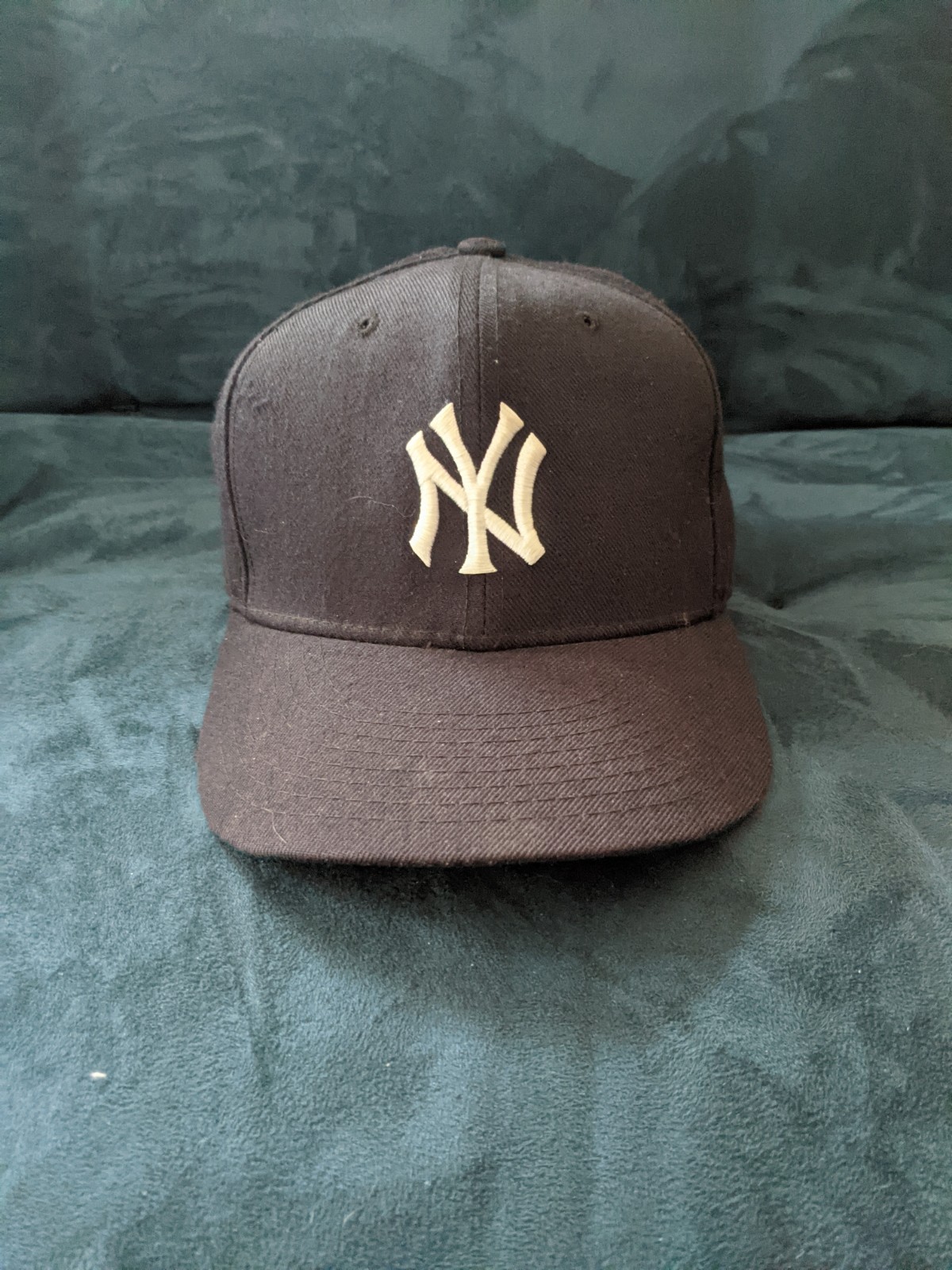
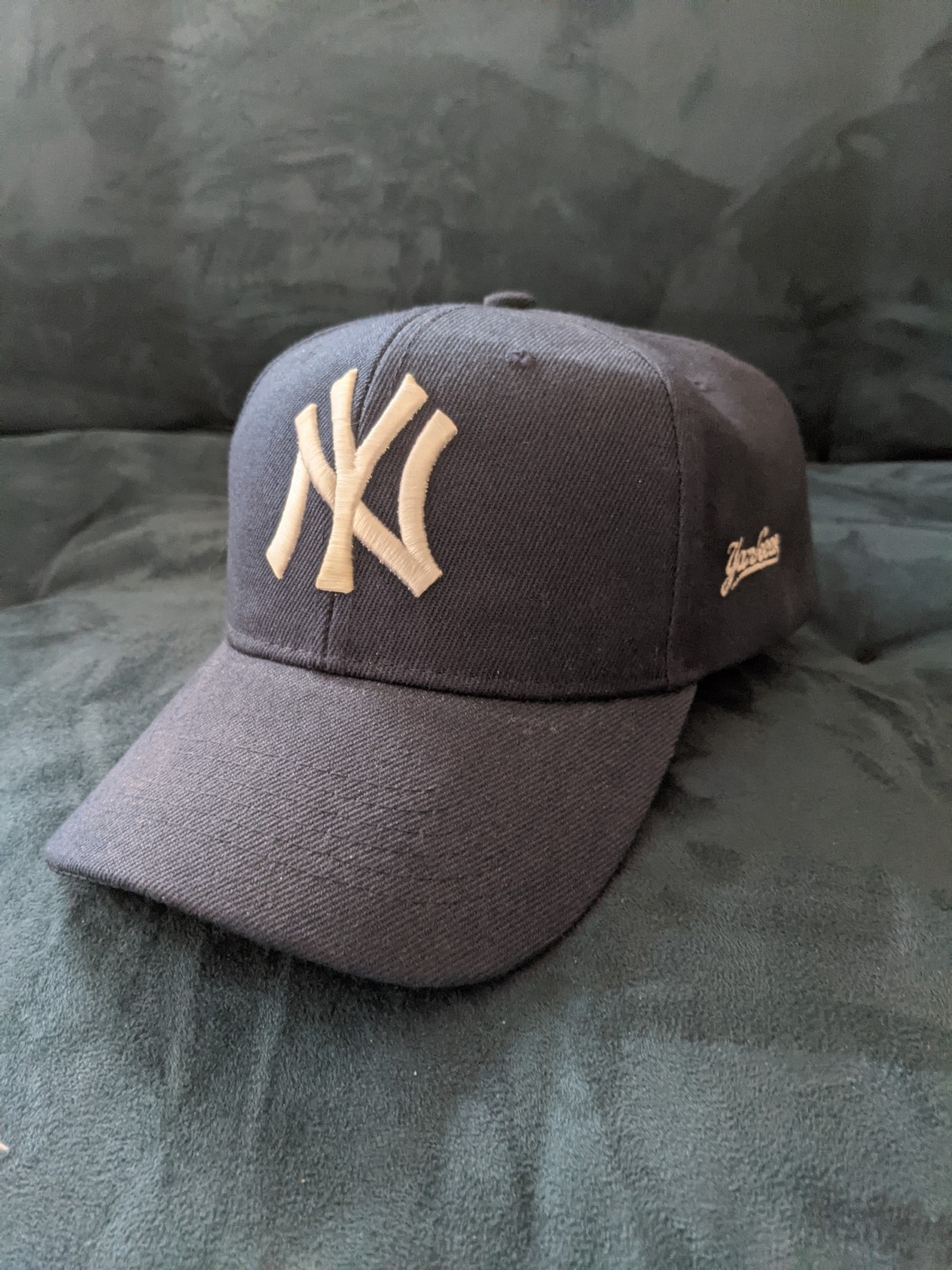
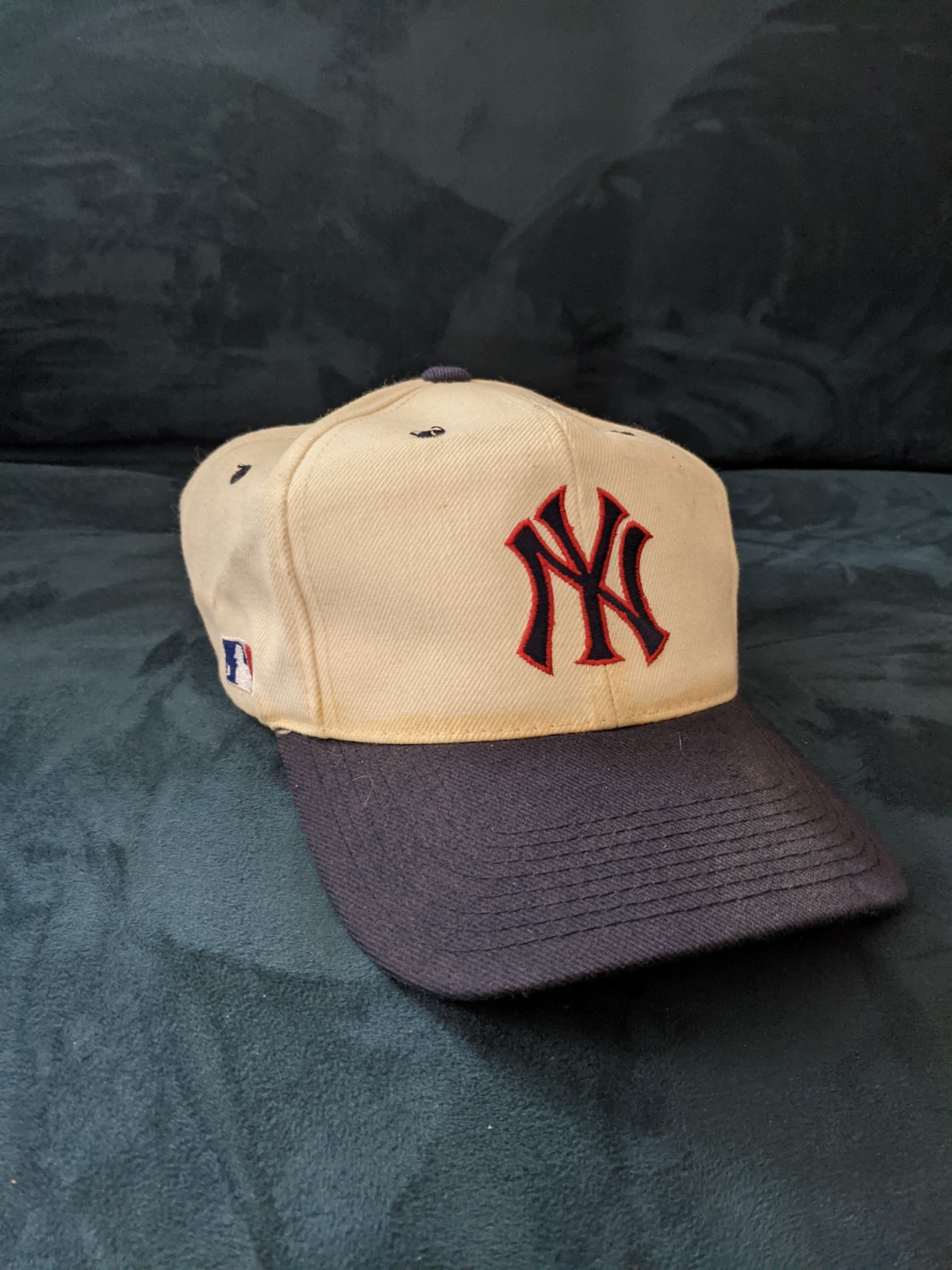
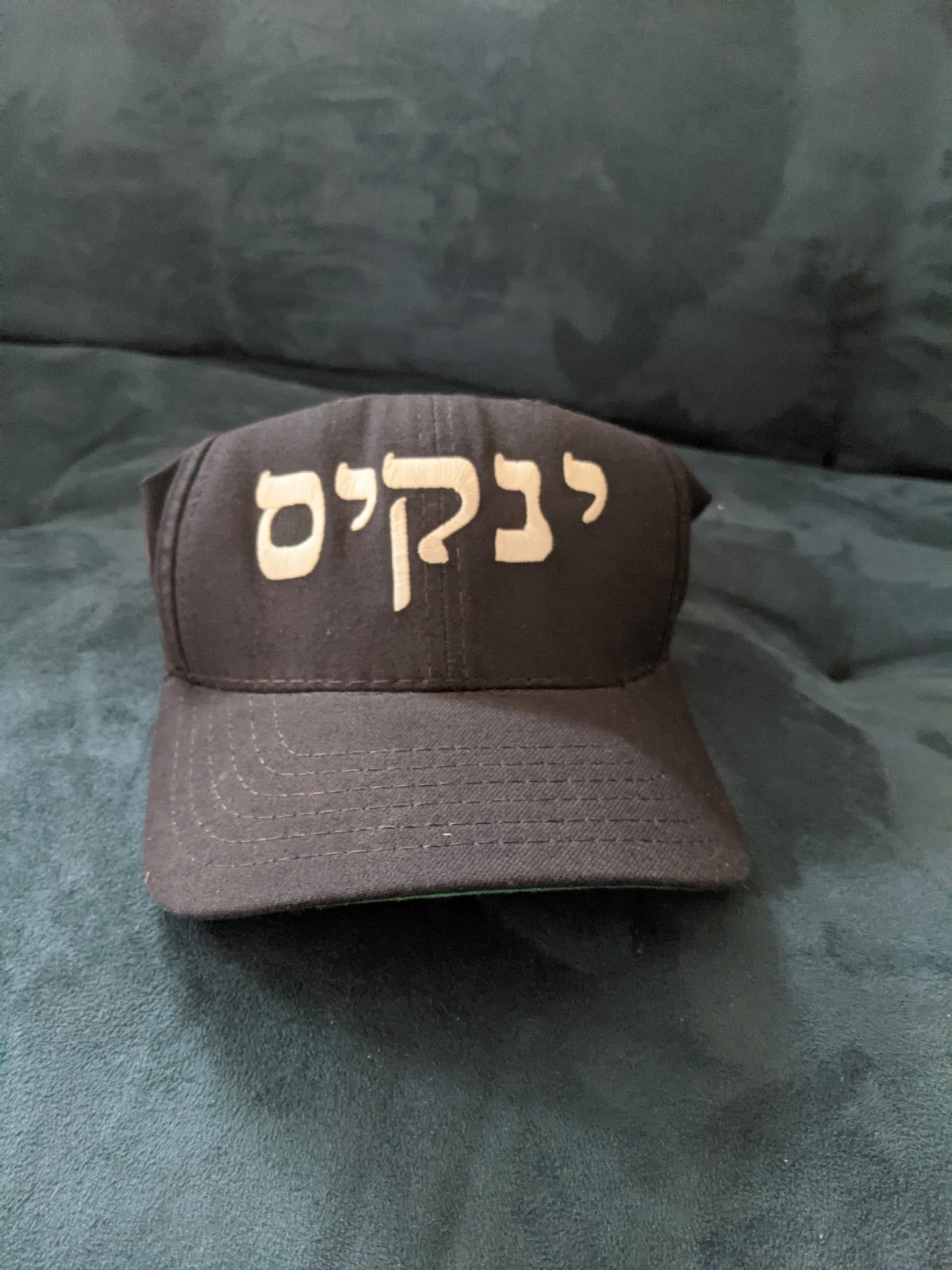
The only baseball team cap I ever had is, of course, the New York Yankees; of which I have four. The most unique is one without the embroidered NY logo on the front, you would expect. Instead, emblazoned on the front are Hebrew characters that sound like “yang-keys.” It’s an MLB cap, so it is officially licensed.

I do have another NY baseball cap, which is also special. It is a replica of a 1948 New York Cubans wool cap. The Cubans won the Black League World Series in 1947, the year I was born. (I even have a moth-eaten woolen Cubans replica jersey, #1.) All totaled, I have seven baseball-style caps. Not many, yet all with memory and history.

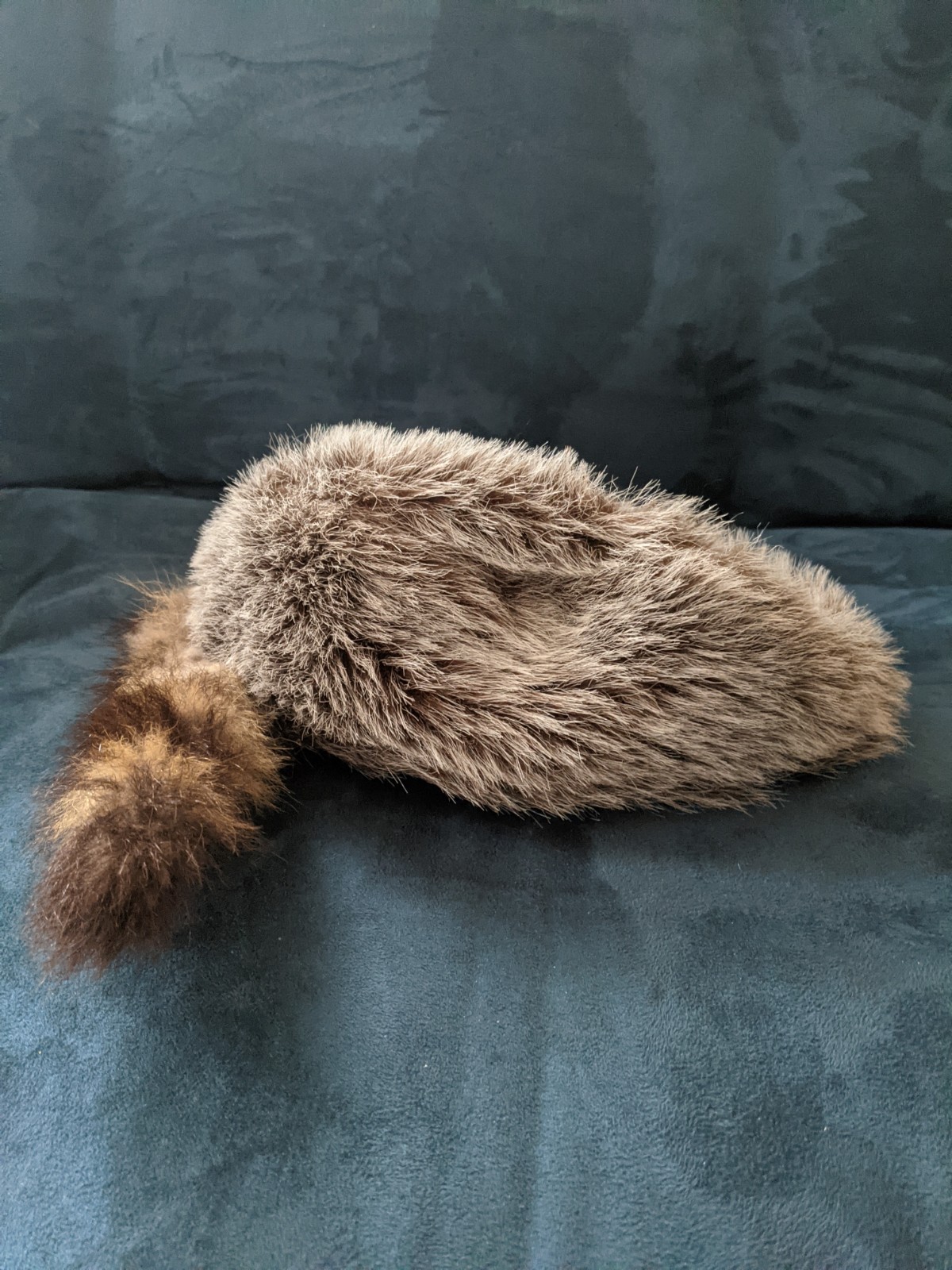
HATS are another story! I have four fedoras, two berets, several Ivy caps, and one each Jungle Hat, Stetson Panama, Newsboy, tribal headdress, Cowboy, and Coonskin.

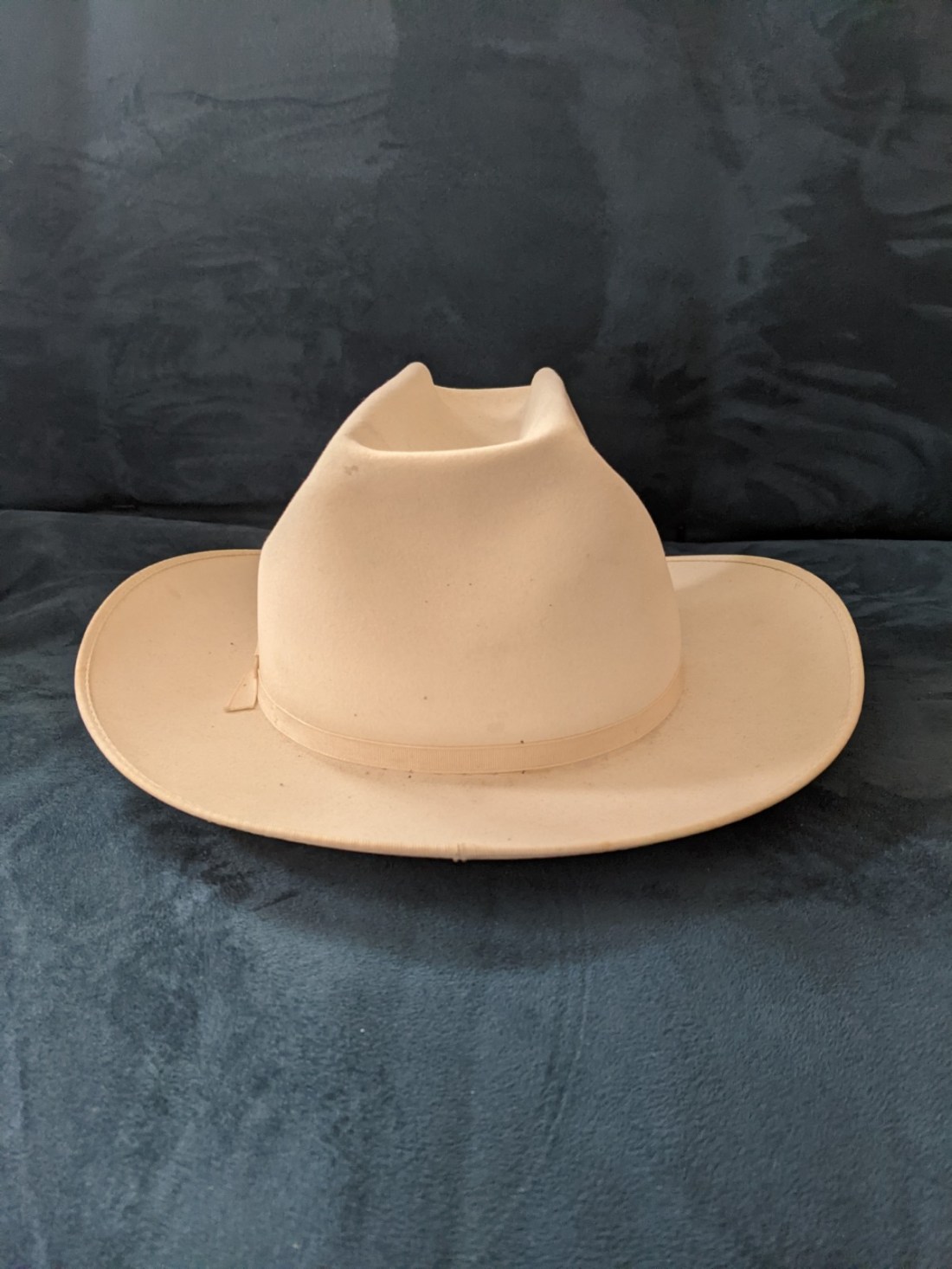
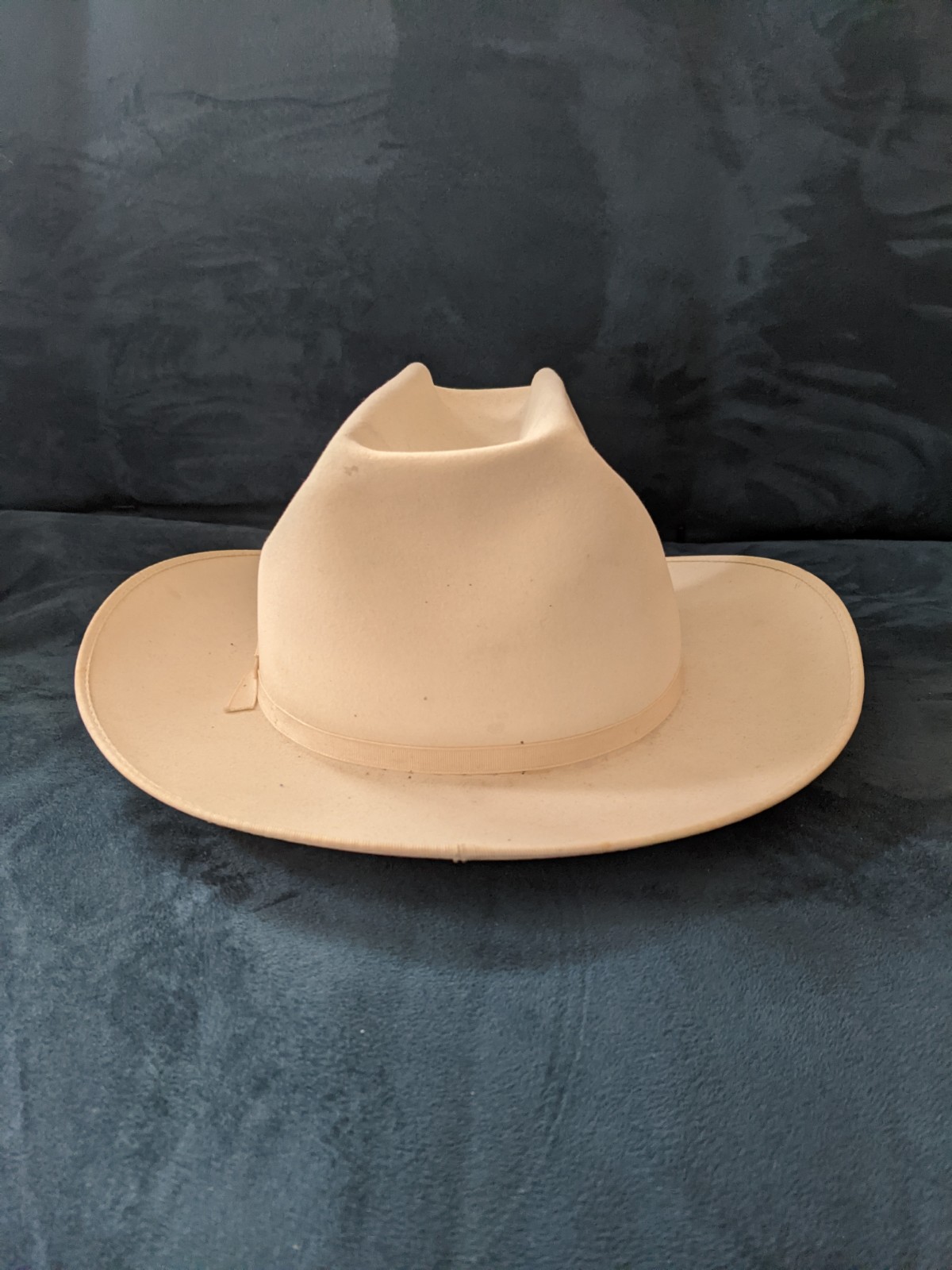
The last two: Cowboy and coonskin are the most special. The Cowboy hat is not your run-in-the-mill rodeo hat. Or a fake wannabe cowboy hat. It’s a beaver Resistol in the “Cattleman” style. It’s a businessman’s hat.

SIDEBAR: In 1963, JFK was assassinated. His alleged killer Lee Harvey Oswald was in custody by the Dallas police. My Cattleman’s style cowboy hat was very similar to the hats worn by the Dallas detectives guarding Oswald which reminds me of JFK.

Before eighth grade, we lived on Lorillard Place in the Bronx, in the Italian neighborhood. This is my only point of reference regarding timing, so, before I was 13. Every other year in August, Dad would go to a reunion of his WWII Army (Ranger) unit. Most times Mom would go as well. At one of these reunions, before I was 13, Dad reconnects with an old Army buddy, Randy Raines. Randy was from Dallas, and Dad said he talked long and very slowly. As most conversations go among friends, the family becomes a topic. Randy says to Dad, “You got a boy! I’m gonna send him a cowboy hat.” When I heard that I was thrilled. I sat on the stoop for days, maybe weeks, waiting for the UPS truck to deliver my cowboy hat. No truck, no cowboy hat, not even a beanie! Crestfallen. I couldn’t look a cowboy in the eyes for years. Not that I met that many in the Bronx.

Decades later, after 1976 (again, another point of reference based on where I lived), Mom and Dad are coming to visit. As he pulls into the driveway, I immediately noticed he is wearing a white cowboy hat. THAT IS MY HAT! I’m about 30 at this time and still very excited. This was the Resistol beaver Cattleman! It was August, and Dad had just returned from his biennial Ranger Reunion. Texan Randy reminds Dad of his promise years ago and Dad had to say, “that was years ago. He’s not a boy anymore.” Right there and then, Mr. Randy Raines takes the hat off his head and puts it on my father’s. Promise fulfilled!

Long before the cowboy hat promise, I was crazy for Davy Crockett (King of the Wild Frontier). Disney had a movie and a TV series. I learned the theme song and sang it all the time. I even taught my younger sister the song. I was smitten.


SIDEBAR: I choose “David” as a Confirmation name. And, since I was not born with a middle name, I assumed it as my middle name, which has since then caused some confusion about my “legal” name. Another story.

Anyway, everybody knew Davy Crockett wore a coonskin cap and I had to have one. Mom refused to buy me one. A friend of hers was willing to buy the hat for me and Mom refused to accept the gift. Another frustration in my young life. Apparently, decades later, I might have complained about it to my sons: Peter, Matthew, and Michael, in the course of some abject “disappointment” lesson.

Years later, the boys had returned from a trip to Disneyland with their Mother. At our next meeting, second son Matthew very proudly presented me with a Davy Crockett coonskin cap, which he bought for me at Disneyland. I was very touched and grateful. I treasure that faux fur and real raccoon tail cap. I will bequeath it to Matthew’s eldest son, and my eldest grandson, Anthony.

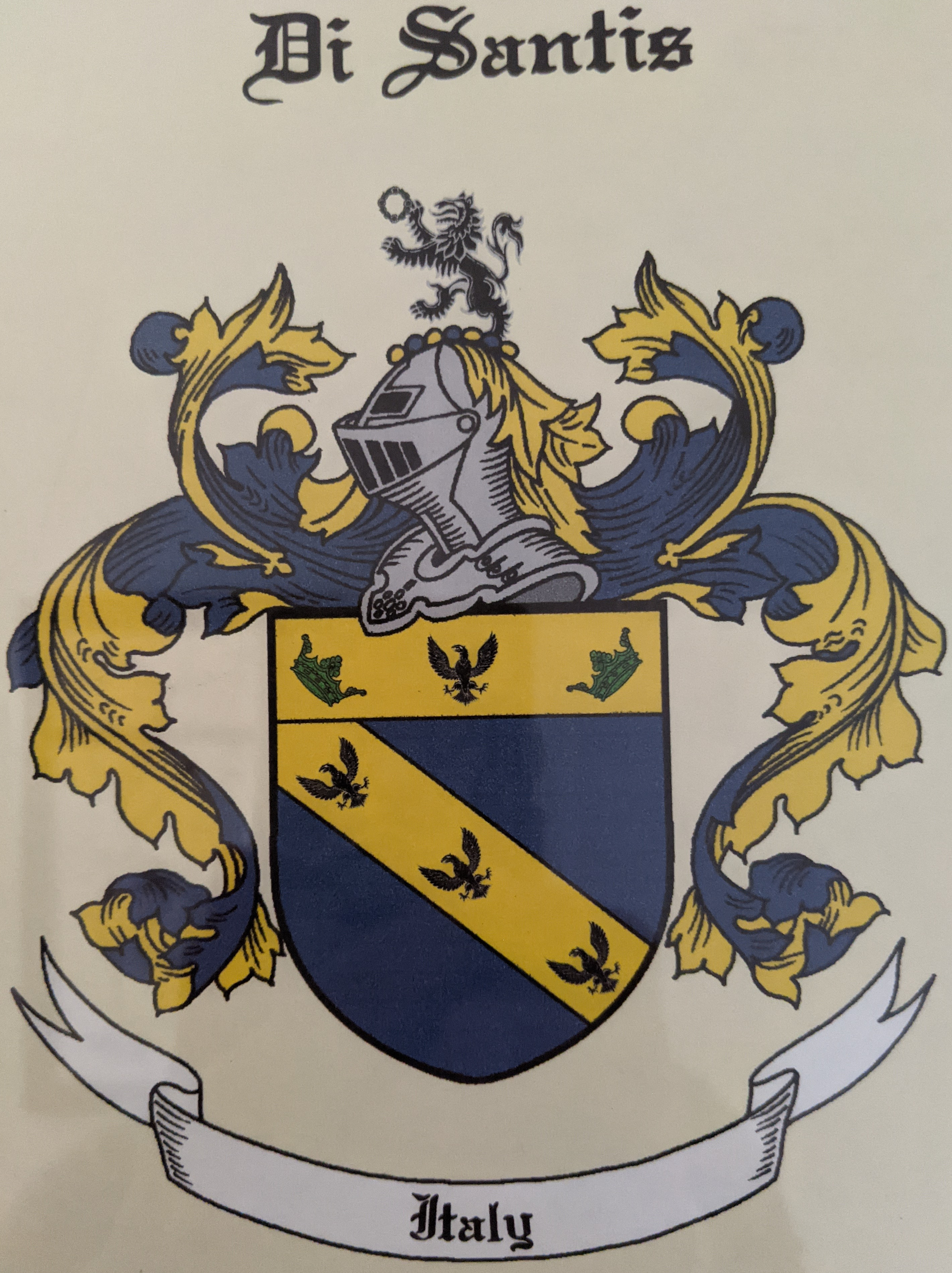
The Family Crest(s)

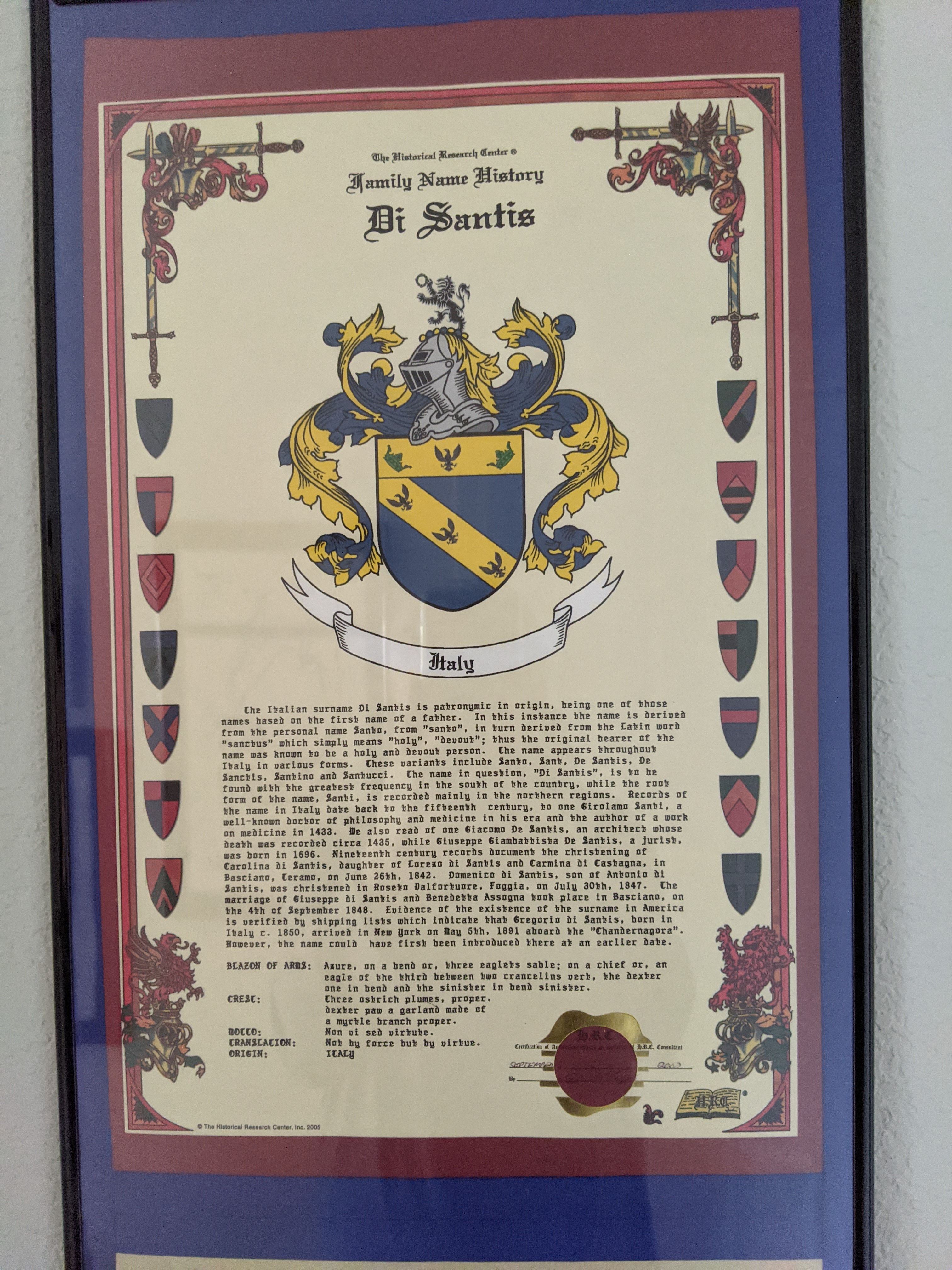
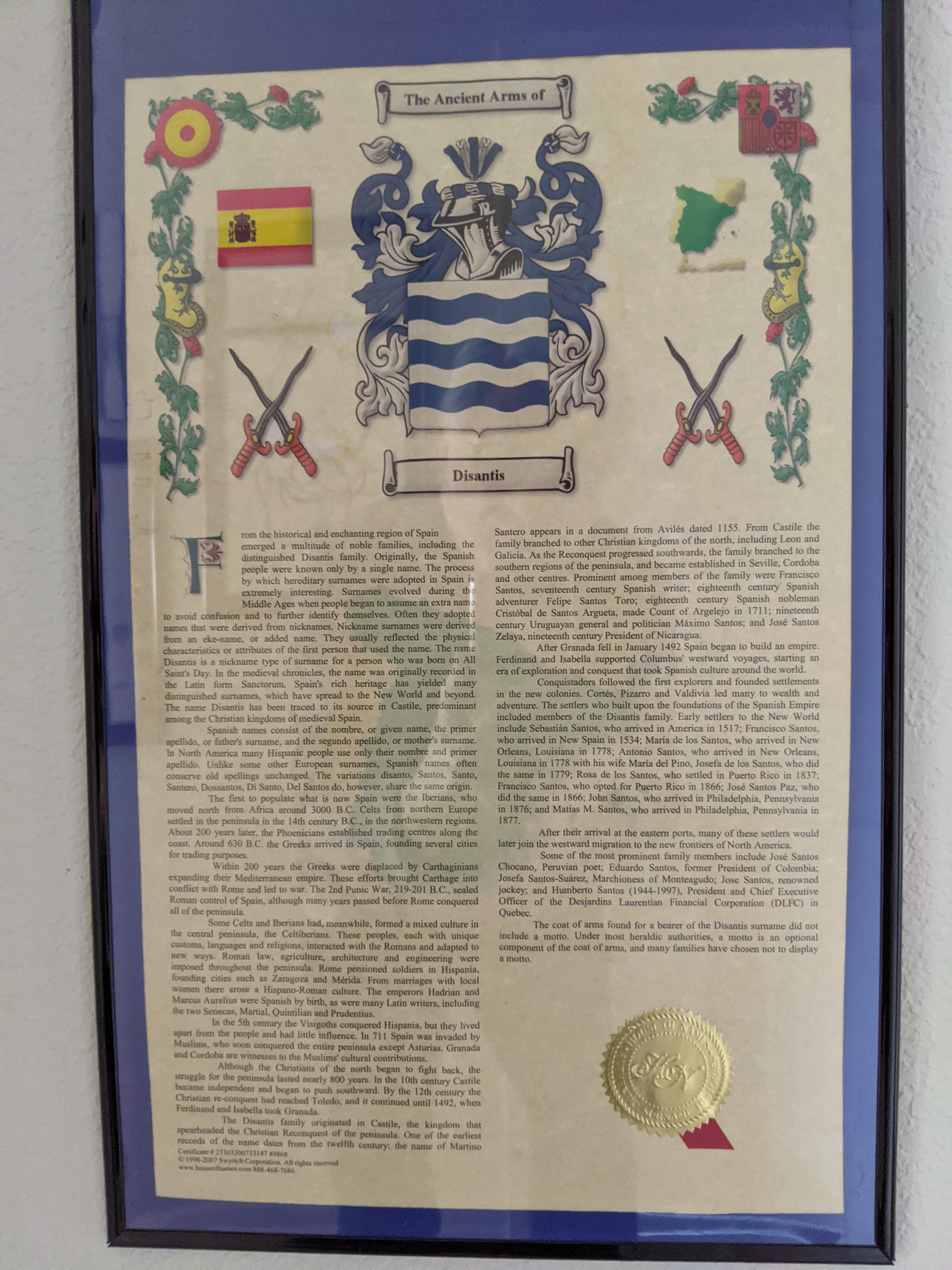
Disclaimer: Who knows how much of this is true. I did not do independent research. I bought these heraldic citations at the Washington State Fair years ago.

Two family crests: one from Italy and the other from Spain. It has always been curious to me why our name does not end in a vowel, like most Italian names, until I read this Spanish heraldry. Since the Spanish pre-dates the Italian, I assumed there was a migration to Italy at some point. If you read the Spanish citation, they indicated Roman soldiers retired in the conquered Hispania. Some Roman emperors were even born in Hispania before returning to Rome. However, according to my Ancestry there are no DNA links to the Iberian Peninsula. Curious.

So, my personal choice would be the Italian Coat of Arms because I know my paternal grandfather, Pietro DiSantis immigrated from Avellino, Italy, 47 km east of Naples. My paternal grandmother was also from the same area of Italy. My maternal grandparents were from Sicily. I’m going with the Italian crest.

Italian Coat of Arms Citation

The Italian surname Di Santis is patronymic in origin, being one of those names based on the first name of a father. In this instance the name is derived from the personal name Santo, from “santo”, in turn derived from the Latin word “sanctus” which simply means “holy”, “devout”; thus the original bearer of the name was known to be a holy and devout person. The name appears throughout Italy in various forms. these variants include Santo, Sant, De Santis, De Sanctis, Santino and Santucci. The name in question, ”Di Santis”, is to be found with the greatest frequency in the south of the country, while the root form of the name, Santi, is recorded mainly in the northern regions. Records of the name in Italy date back to the fifteenth century, to one Girolamo Santi, a well-known doctor of philosophy and medicine in his era and the author of a work on medicine in 1433. We also read of one Giacomo De Santis, an architect whose death was recorded circa 1435, while Giuseppe Giambattista De Santis, a jurist, was born in 1696. Nineteenth century records document the christening of Carolina di Santis, daughher of Lorezo di Santis and Carmina bi Castagna, in Basciano, Ceramo, on June 26th, 1842. Domenico di Santis, son of Antonio di Santis, was christened in Roseto Valfortuore, Foggia, on July 30th, 1847. The marriage of Giuseppe di Santis and Benedetta Assogna took place in Basciano, on the 4th of September 1848. Evidence of the existence of the surname in America is verified by shipping lists which indicate that Gregorio di Santis, born in Italy c. 1850, arrived in New York on May 5th, 1891 aboard the ”Chandernagora”. However, the name could have first been introduced there at an earlier date.

BLAZON OF ARMS: Azure on a bend or, three eaglets sable; on a chief or, an eagle of the third between two crancelins vert, the dexter one in bend and the sinister in bend sinister.

CREST: Three ostrich plumes, proper, dexter paw a garland made of a myrtle branch proper.

MOTTO: Non vie sed virtute

TRANSLATION: Not by force but by virtue

ORIGIN: Italy

More details from the website http://hrc-500.appspot.com/
CREST: A symbol (sometimes more than one) relating to hopes, ambitions or status
A lion rampant sable, holding in the dexter paw a garland made of a myrtle branch proper.

SYMBOLISM: The meaning of symbols (known as charges) and colors on the Coat of Arms and Crest. These represented the hopes, dreams and ambitions of bearers of this heraldry insignia.

Azure – A bright blue color which represents truth and loyalty. Bend – A diagonal bar on the shield which signifies the scarf or shield suspender of a knight commander and stands for defense or protection. Chief – The upper part of the shield. It was often granted as a special reward for prudence and wisdom or successful military command. Crancelin – A diagonal bar topped with a shape similar to the profile of a crown. Eagle – The eagle plays an important part in heraldry in almost every part of the globe and denotes a person of noble nature, strength, bravery and alertness. Or – The color gold. It denotes the qualities of generosity and elevation of mind. Sable – Black. This color denotes constancy or grief. This may also refer to the animal Sable prized for its fur. Vert – The color green. Represents the qualities of hope, joy and loyalty in love.

Spanish Coat of Arms Citation

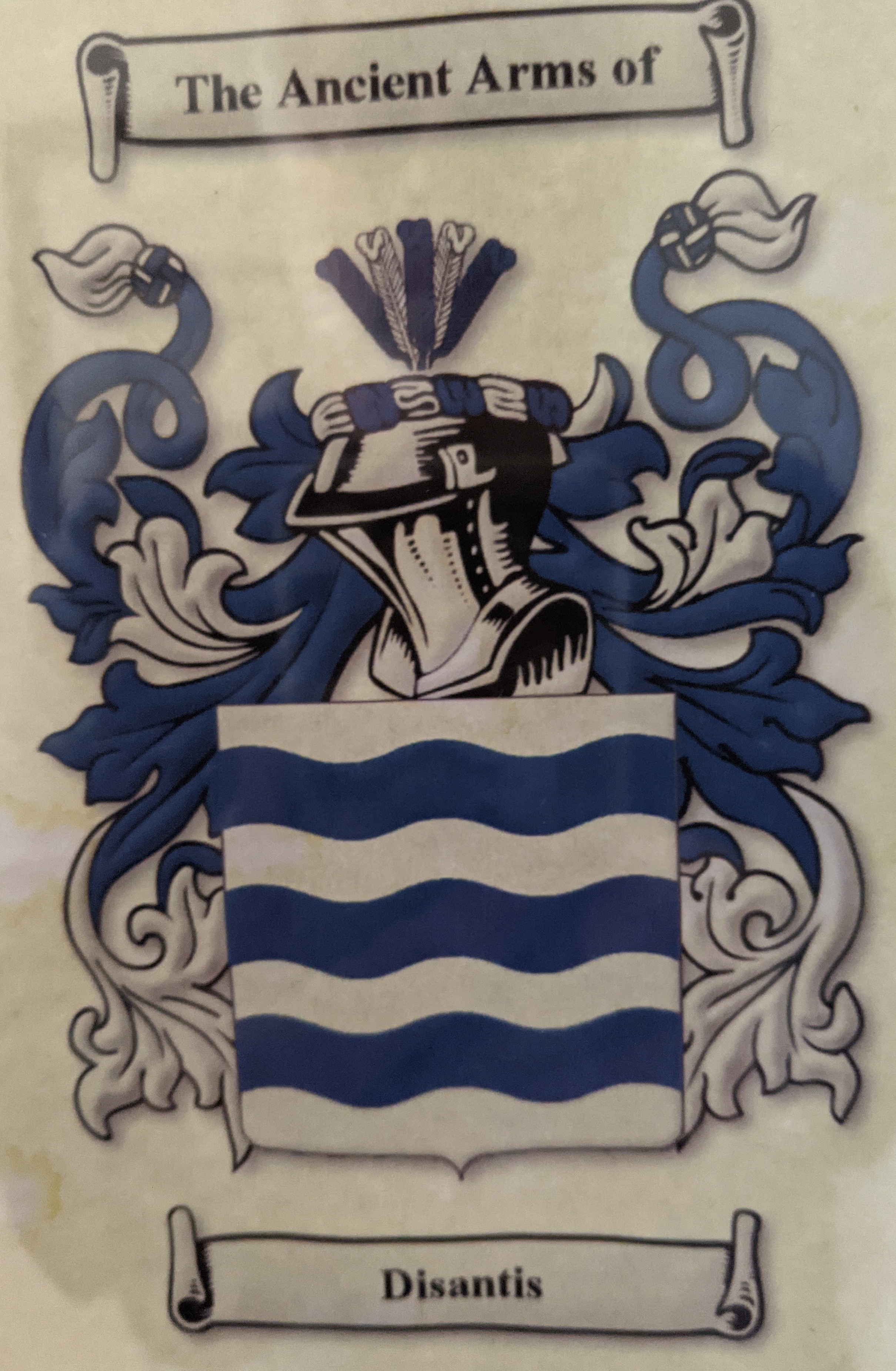
From the historical and enchanting region of Spain emerged a multitude of noble families. including the distinguished Disantis family, Originally, the Spanish people were known only by a single name. The process by which hereditary surnames were adopted in Spain is extremely interesting. Surnames evolved during the Middle Ages when people began to assume an extra name to avoid confusion and to further identify themselves. Often, they adopted names which were adopted from nicknames. Nickname surnames were derived from an eke-name or added name. They usually reflected the physical characteristics or attributes of the first person that used the name. The name Disantis is a nickname type of surname for a person who was born on All Saints Day. ln the medieval chronicles, the name was originally recorded in Latin form Sanctorum. Spain’s rich heritage has yield many distinguished surnames, which have spread to the New World and beyond. The name Disantis has been traced to its source in Castile, predominant among the Christian kingdoms of medieval Spain.

Spanish names consisted of the nombre or given name, the primer apeliido, or father’s surname and the segundo apellido, or mother’s surname. ln North America many Hispanic people use only their nombre and primer apeliido. Unlike some other European surnames. Spanish names often conserve old spellings unchanged. The variations disanto, Santos, Santo, Santero, Dossantos, De Santo, Del Santos do. however, share the same origin.

The first to populate what is now Spain were the Iberians, who moved north from Africa around 3000 B.C. Celts from northern Europe settled in the peninsula in the 14th century B.C.in the northwestern regions. About 200 years later, the Phoenicians established trading centres along the coast. Around 630 B.C. the Greeks arrived in Spain, founding several cities for trading purposes.

Within 200 years the Greeks were displaced by Carthaginians expanding their Mediterranean empire. These efforts brought Carthage into conflict with Rome and led to war. The 2nd Punic War, 219·201 B.C., sealed Roman control of Spain, although many years pasted before Rome conquered the peninsula.

Some Celts and Iberians had, meanwhile, formed a mixed culture in the central peninsula, the Celtiberians. The peoples. each with unique customs, languages and religion, interacted with the Romans and adapted to new ways. Roman law, agriculture, architecture and engineering were imposed throughout the peninsula. Rome pensioned soldiers in Hispania founding cities such as Zaragoza and Mérida. From marriages with local women there arose a Hispano-Roman culture. The emperors Hadrian and Marcus Aurelius were Spanish by birth, as were many Latin writers including the two Senecas, Martial, Quintilian and Prudentius.

In the 5th century, the Visigoths conquered Hispania, but they lived apart from the people and had little influence. ln 711 Spain was invaded by Muslims, who soon conquered the entire peninsula except Asturias. Granada and Cordoba are witnesses to Muslim cultural contributions.

Although the Christians of the North began to fight back, the struggle for the peninsula lasted nearly 800 years. In the 10th century Castile became independent and began to push southward. By the 12th century the Christian re-conquest had reached Toledo, and it continued until 1492, when Ferdinand and Isabella took Granada.

The Disantis family originated in Castile, the kingdom that spearheaded the Christian reconquest of the peninsula. One of the earliest records of the name dates from to the twelfth century: the name Martino Santero appears in a document from Avilés dated 1155. From Castile the family branched to other Christian kingdoms of the north, including Leon and Galicia. As the Reconquest progressed southwards, the famiIy branched to the southern regions of the peninsula, and became established in Seville, Cordoba and other centres. Prominent among members of the family were Francisco Santos, seventeenth century Spanish writer; eighteenth century Spanish adventurer Felipe Santos Toro; eighteenth century Spanish nobleman Cristóbal de Santos Argueta made Count of Argelejo in 1711; nineteenth century Uruguayan general and politician Maximo Santos; and José Santos Zelaya, nineteenth century President of Nicaragua.

After Granada fell in January 1492 Spain began to build an empire. Ferdinand and Isabella supported Columbus’ westward voyages, starting an era of exploration and conquest that took Spanish culture around the world.

Conquistadors followed the first explorers and founded settlements in the new colonies. Cortés, Pizarro and Valdivia led many to wealth and adventure. The settlers who built upon the foundations of the Spanish Empire included member of the Disantis family. Early settlers to the include Sebastián Santos, who arrived in America in 1517; Francisco Santos, who arrived in New Spain in 1534; Maria de los Santos, who arrived in New Orleans, Louisiana in 1778; Antonio Santos, who arrived in New Orleans, Louisiana in 1778 with his wife Maria del Pino; Josefa de los Santos who did the same in 1779; Rosa de los Santos, who settled in Puerto Rico in 1837; Francisco Santos, who opted for Puerto Rico in 1866; José Santos Paz, who did the same in 1866; John Santos, who arrived in Philadelphia, Pennsylvania in 1876; and Matias M. Santos who arrived in Philadelphia, Pennsylvania in 1877.

After their arrival in the eastern ports, many of these settlers would later join the western migration to the new frontiers of North America.

Some of the most prominent family members included José Santos Chocano, Peruvian poet; Eduardo Santos, former President of Colombia; Josefa Santos-Suárez, Marchioness of Monteagudo; Jose Santos renowned jockey; and Humberto Santos (1944-1997), President and Chief Executive Officer of the Desjardins Laurentian Financial Corporation (DLFC) in Quebec.

The coat of arms found for a bearer of the Disantis surname did not include a motto. Under most heraldic authorities, a motto is an optional component of the coat of arms and many families have chosen to not display a motto.


More information at https://www.houseofnames.com/disantis-family-crest

An Inspirational Mother

Adeline Denaro DiSantis

Everyone loves their mother, usually. I have been inspired by mine.

After my father’s death in 1987, Mom was not alone. Janet (my only sibling) and her family lived in the duplex unit upstairs. Obviously, for Mom, life was going to change very dramatically. (I know Janet can add more about that time in Mom’s life, because I was not around, living Washington.)

There were three things at that time Mom did which inspired me and proved you are never too old to change, never too old to learn new tricks and never too old to start over. Yet it was not the first time Mom impressed me.

It didn’t take me 40 years to appreciate my mother. Embarrassingly and too late, it started in 1965. As I was preparing to enter college at Pratt Institute, in Brooklyn, I had little savings to pay for my own education. Mom, who had been a “stay at home Mom” for 18 years, decided to find a job and it was for my benefit. Realizing she didn’t want to work retail, the next biggest company within walking distance from home, was the Dollar Savings Bank on Grand Concourse near Fordham Road. It was a huge marble columns and floors majestic bank.

With few marketable clerical skills (read none), she marched into the personal office of the bank for an interview. I’m not sure how the interview started, I just know it ended well. At sometime during the interview the bank’s VP of Personnel stuck his head into the interview room. He asked my mother one question, “Can you cook?” CAN YOU COOK? In a bank? What kind of a crazy question was that? Was he patronizing her? No. Actually, in fact, he was recruiting to fill a position in the executive dining room.

I’m sure Mom lit up the room with that question as she recanted the size of our extended family and the many meals she prepared or helped to prepare for them. The VP took Mom on a tour of the dining room on the top floor of the bank and she met her soon to be co-worker, Gisella, the head cook. I think she was hired on the spot. In so doing, she began her second career after marriage. There she remained as the second in command (there were no others) at the Dollar Savings Bank Executive Dining Room for over 20 years.

Fast forward about 22 years, my father died. My Mom’s sister, Doris, came up from Mexico to stay with her for a while. One of the things Aunt Doris did was to motivate Mom to learn to drive. As a young teenager, I remember Dad trying to teach Mom to drive. It didn’t go well and I thought I could do a better job driving. The subject was dropped for a long time. Mom had always depended on Dad for a lift anywhere she wanted to go. After moving away from The Bronx, Dad would take her to work at the bank and bring her home daily. (Janet could verify that.)

After studying her New York Drivers License Manual, and passing the learner’s permit test, she was ready to go. But who would teach her to drive? Good question. Mom, eventually signed up to learn to drive from the Sears Driving School. It may sound like a joke, but it was a real thing then. She, eventually got her license and she was 65. I remember arranging for her to buy a retiring company car from Airborne Express, which she drove for many more years. The driver’s license was the first step in rebuilding her life. New York State Driver’s License, CHECK.

With all this new found freedom and mobility, the second step was high school. She never graduated in the 1940’s. So, Mom enrolled in a GED program for adults, she attended classes to brush up on some academics, took her test and got her GED. (Again Janet could add more depth to this story.) G.E.D., CHECK.

Proudly with her GED in hand Mom had more skills for her third step forward which was a new job! She was retired, getting her Social Security, widows benefits and a pension from the bank, yet she wanted to work. After all, she was young, maybe 66. (Once again I would turn to Janet to fill in the details to this part.) Mom worked for a local community newspaper doing subscriptions or advertising. That’s all I know. I’m not even sure I got that right, but something like that. Thus, her third career. Career in journalism, CHECK.

Currently at this writing, Mom turned 98 last December and is living her life out in a nursing home in Danbury, CT.

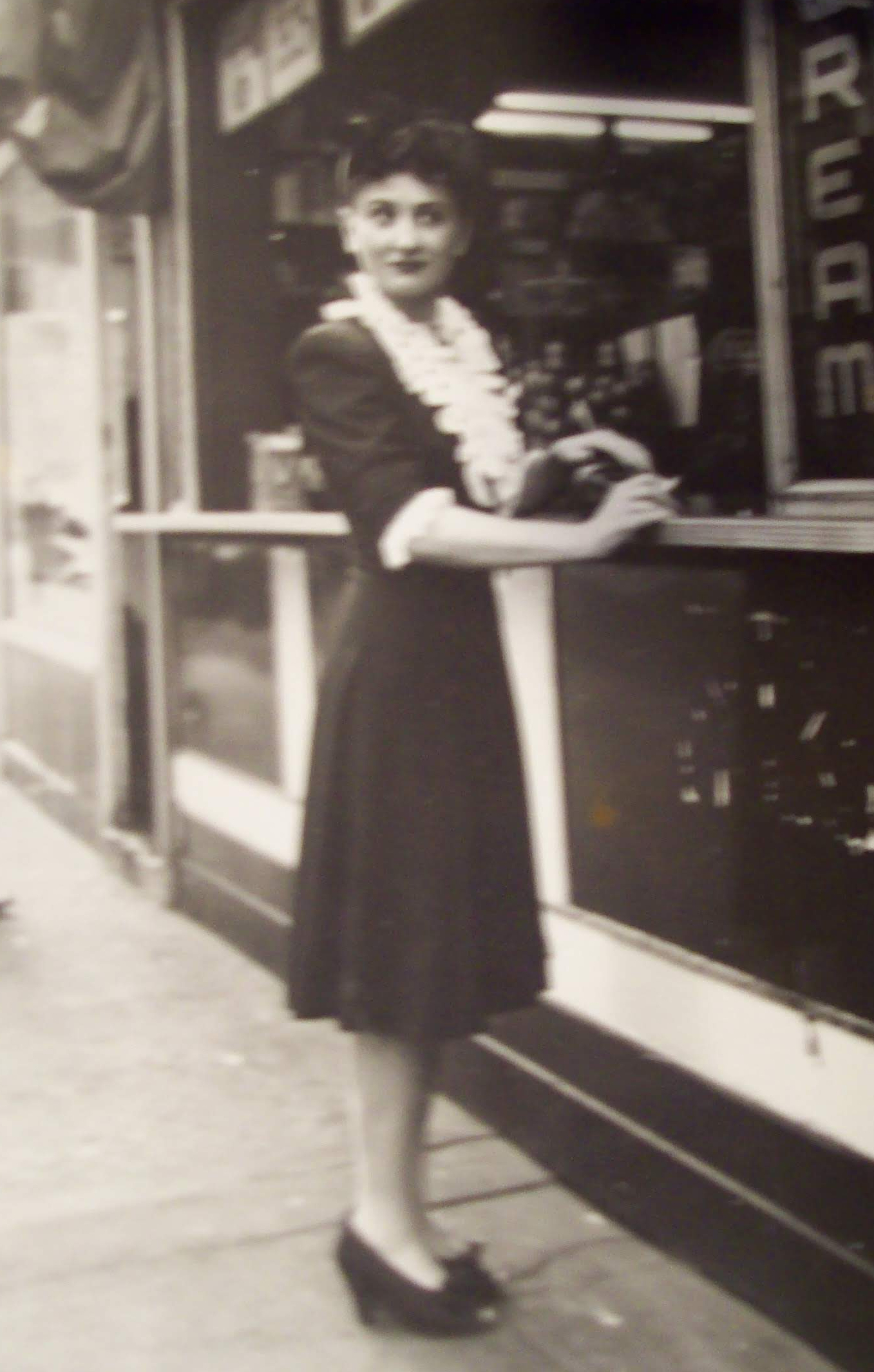
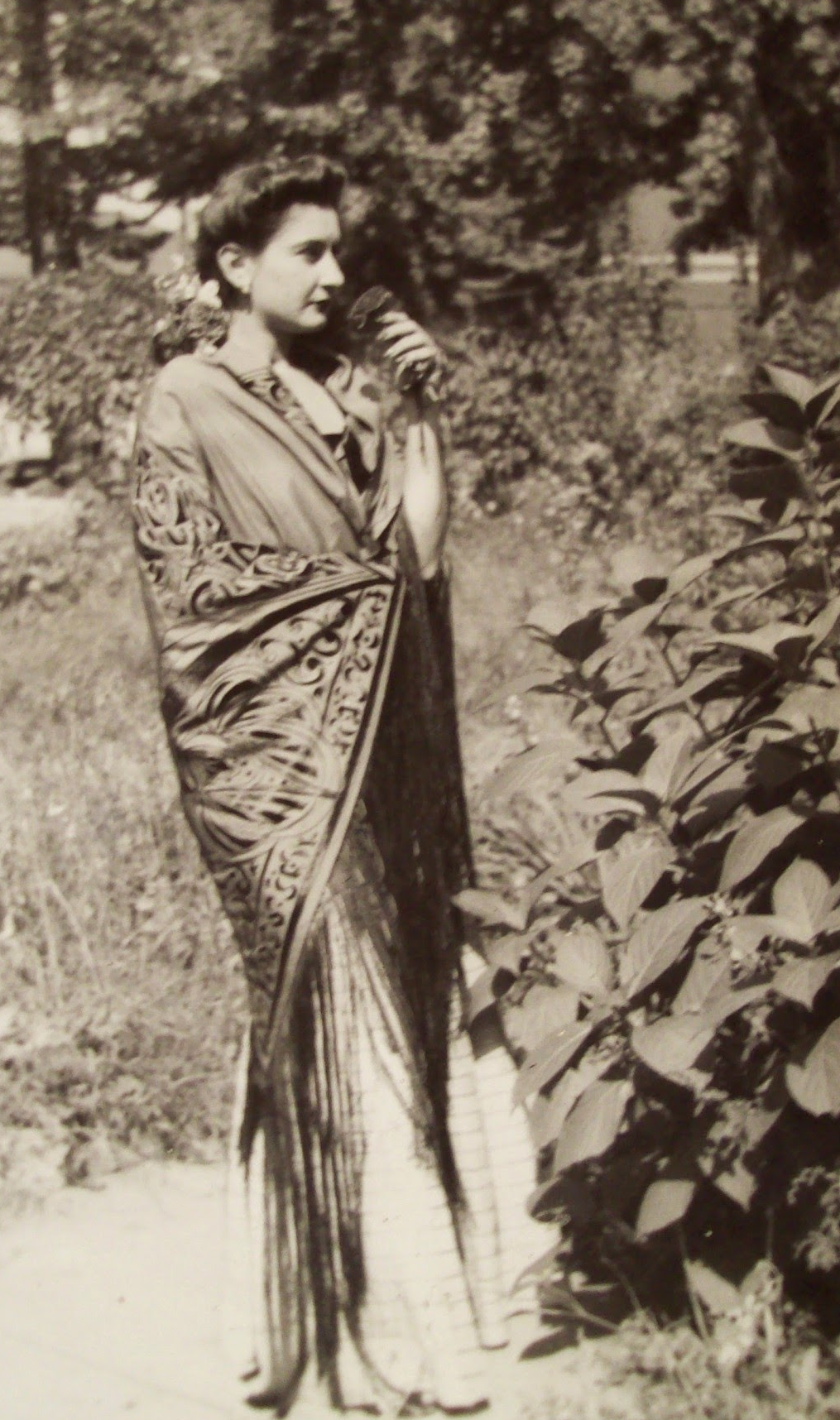
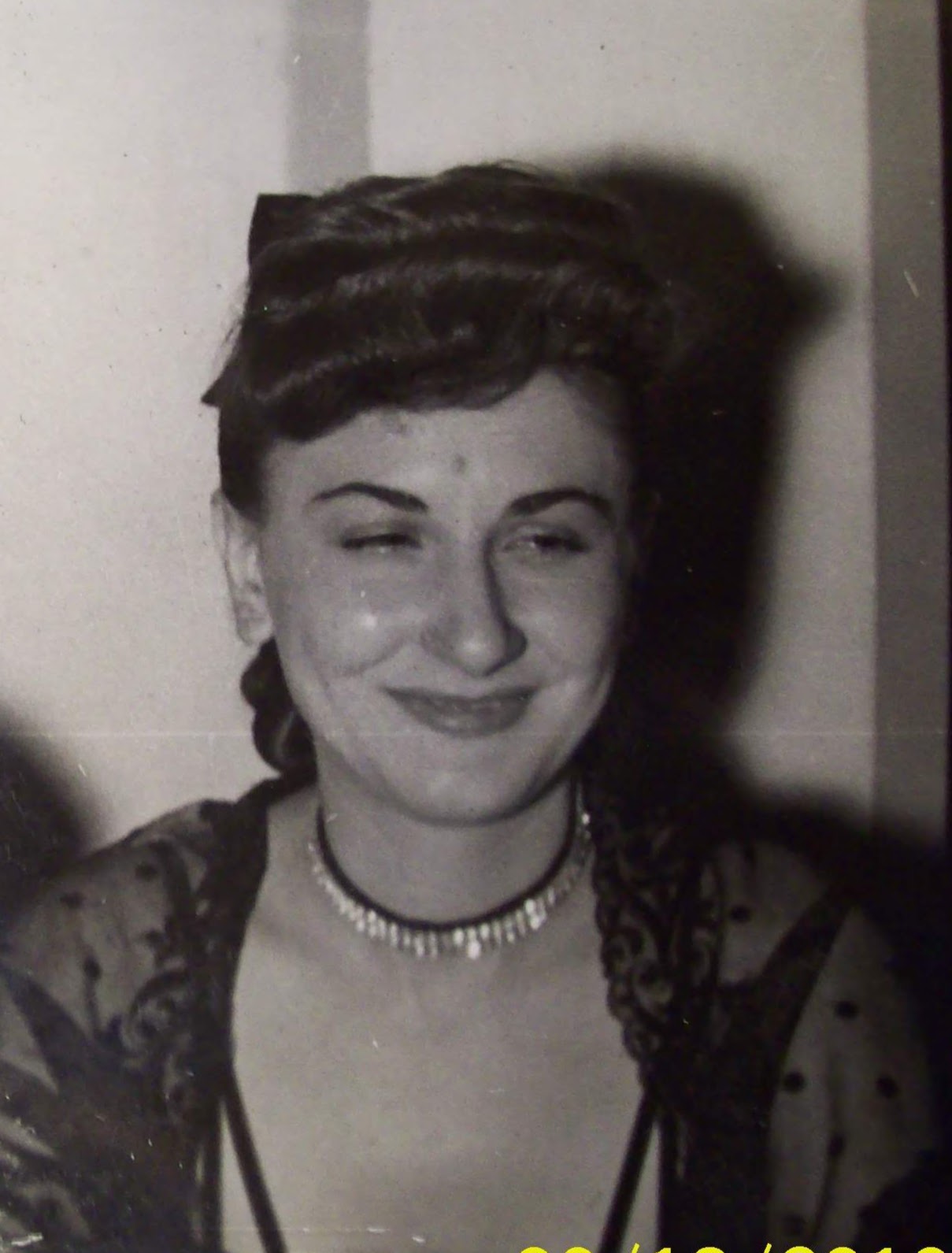
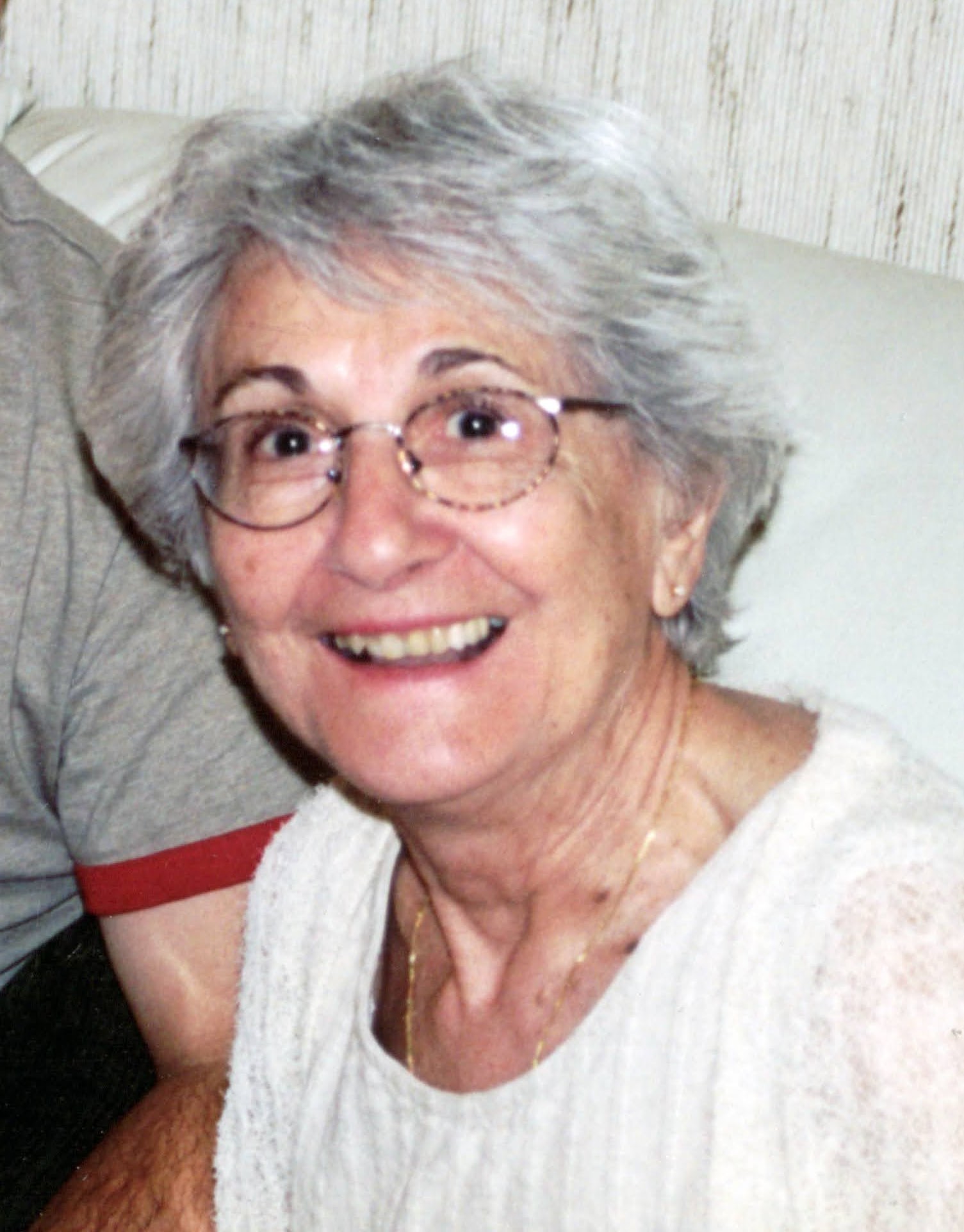
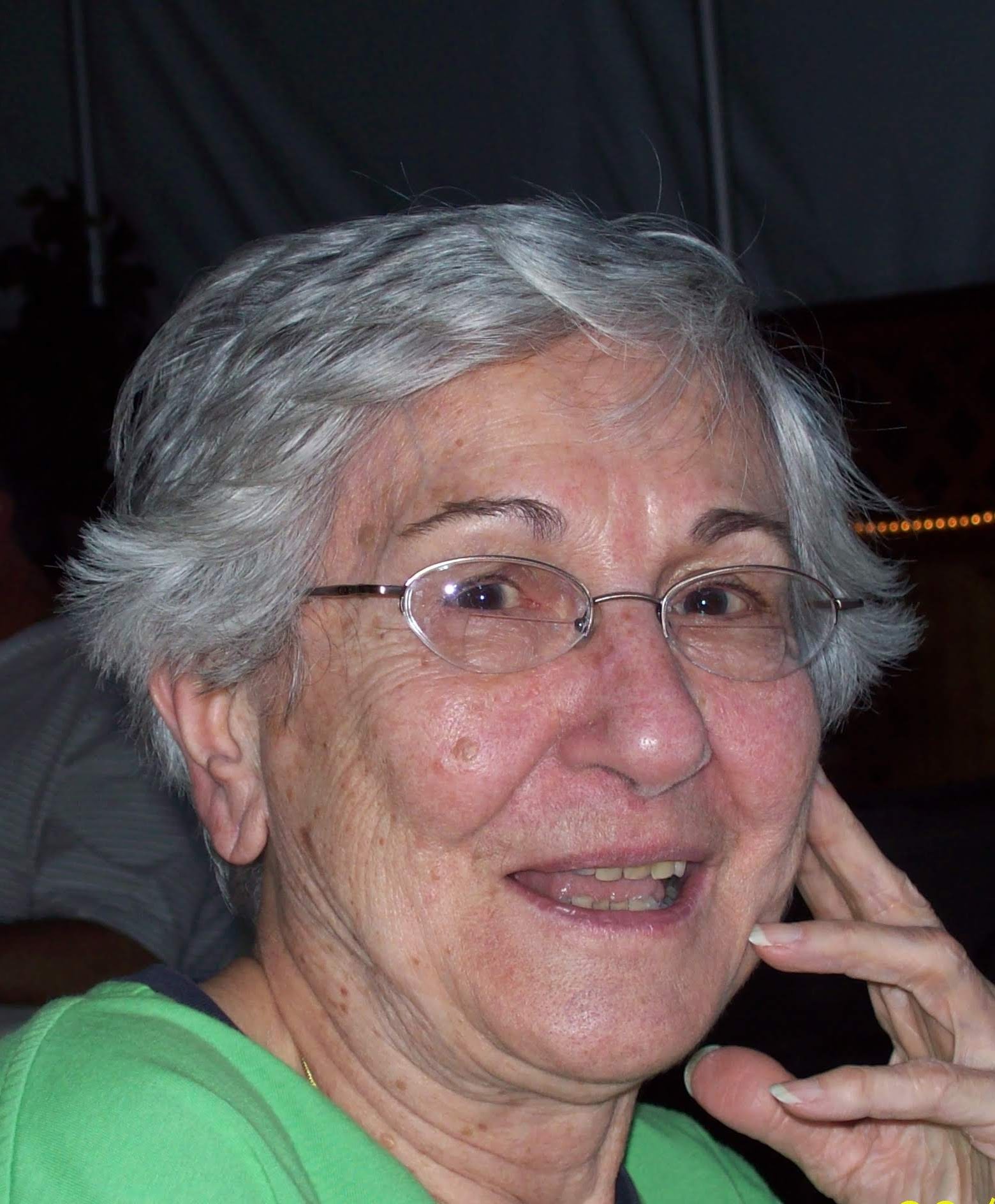
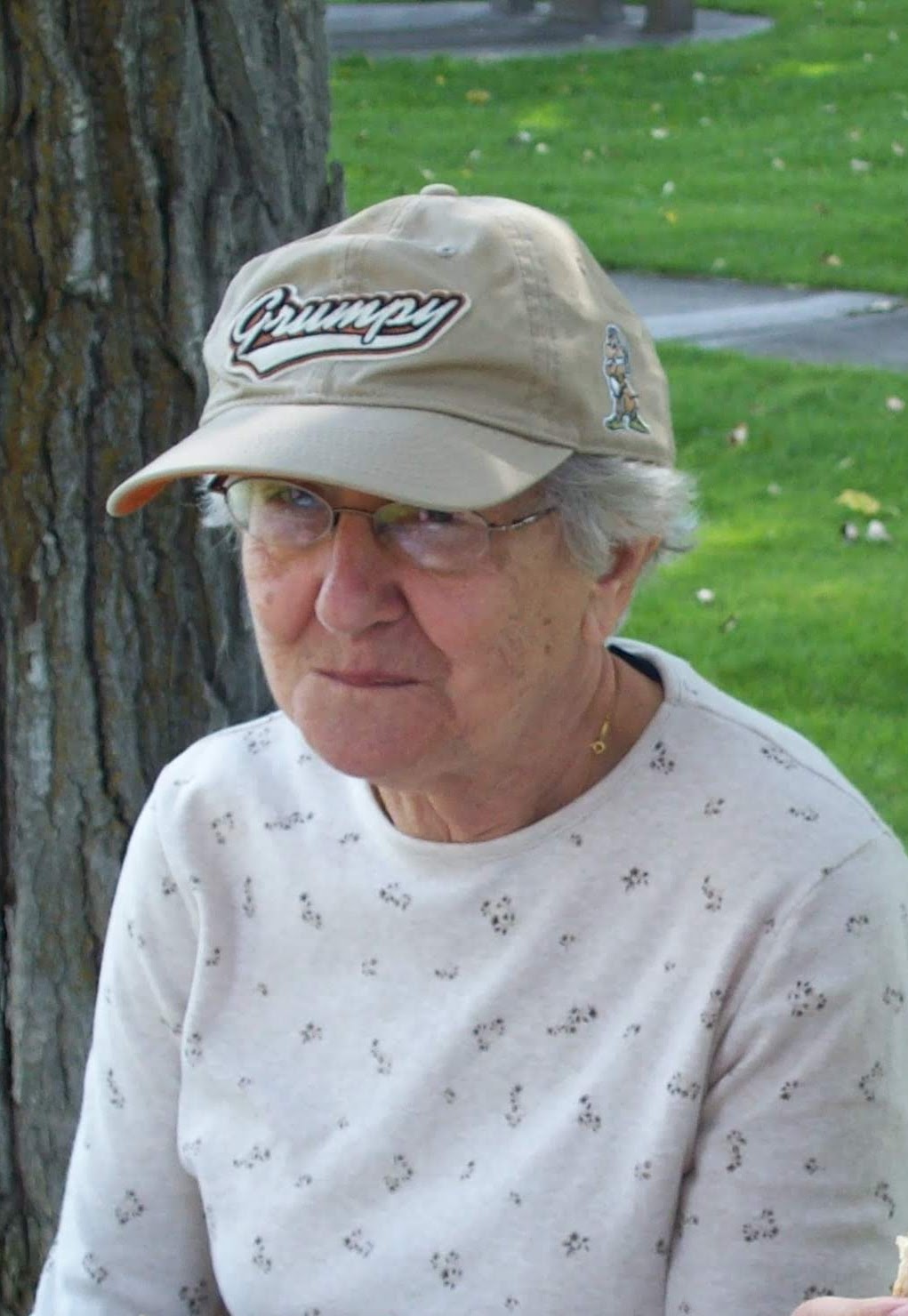
Photo Notes: Top row, l to r – Teenage girl, young woman, young married lady and unknown (Sorry, I liked the smile.) . Bottom row, both were from our RV road trip to Yellowstone in 2007. She is wearing MY hat!

Denaro Sisters

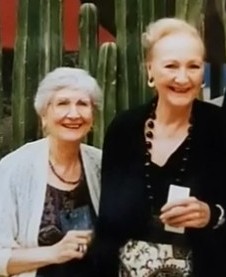
I have never, in my entire life, been exposed to a great relationship between two sisters, except the one connecting my mother, Adeline, and Aunt Doris. There were other Denaro sisters but I was most familiar with this beautiful pair. If I have never seen a great relationship between sisters, how would I know this one was great? I felt it, like I hope you have, if you have ever seen them together.

Slide your cursor over the middle of the photo to view 1950’s vs. 1997

They were not together much, which was ironically part of the connection. Because we did not have a phone in our Bronx apartment in the 1950’s, I remember my mother and I carrying fists full, no pounds, of quarters to the public phone booth at the local candy store to call Aunt Doris. Later, they hardly ever called each other because it was so expensive. So they wrote to each other. Well, they tried to write to each other. They tried very hard to stay connected over the many miles and many years they were apart.

Mom was with Aunt Doris in Mexico after her husband, Dan, passed away suddenly. And just as devoted, Aunt Doris was here in the States with Mom when Dad died, also very suddenly. At that time, Doris motivated Mom to get a driver’s license. (That is another story.)

But when Adie and Doris (born Matilda) got together, they were very funny. The way they talked and reminisced was wonderful to hear and watch. When they began to laugh, they would screech and cackle and howl; it would tickle your heart, if you were nearby. They loved and fought like sisters, I guess. Even that was amusing and interesting to watch.

I had the great opportunity to be alone with the “Sisters” several times. The last time was several years ago when they stayed at my home for a few weeks. Their heartfelt love for each other was obvious and it had sustained, if not been nourished by, the thousands of miles and years they were away from each other.

Driving. Many wonderful things also come to mind, but driving comes to mind when I think of Aunt Doris. Driving with Aunt Doris in Mexico City was impressive. Actually, at age 14, on my first trip to Mexico, anyone who drove was impressive. But in Mexico City, the congested traffic, the furious traffic circles and the bowling ball sized speed bumps, put anyone driving there in another class.

Aunt Doris is always fond of reminding me about the day she made a wrong turn into a stock car race. I don’t remember where we were going, but she turned onto this road which was lined with bales of hay. Cars with numbers on their doors were whizzing by us at an incredible speed. She did not stop immediately.

As I remember it, we had to be waved off the road by race officials. Well, there goes all the fun. Not so. We stood on the side of the road, on the other side of the bales of hay from the “normal” spectators and enjoyed the rest of the race. And I had the photographs to prove it! When it was all over, and the last car past our position, we got back in Aunt Doris’s car and drove by the bales of hay and spectators for our victory lap. The drive home was anti-climatic.

For my 50th birthday I took my mother to visit her sister in Mexico. After a few days, I got up enough nerve to ask Aunt Doris if I could drive her car in town. We had to wait a day. Local gas rationing dictated only even number license plates were allowed on the road that day. So the next day was the first time Aunt Doris and I collaborated as the “Mexican Driving Machine”. It was exciting as I drove and she navigated, with Mom in the back seat, in Mexico City (Grand Prix). Actually, we were just going to her daughter, Jacqueline’s for dinner. However, it was a very impressive and exciting drive for all.

Photo Notes: The one on the left is from a Denaro family group shot at my grandparents 50th wedding anniversary party. I’m assuming it was in the 1950’s. The photo on the right was from our trip to Mexico City after my 50th birthday. I cropped myself out of the photo yet we were standing in front of a cactus fence around the home of the famous Mexican mural artist Diego Rivera, who Aunt Doris knew, back in the day.